Hidden Streets
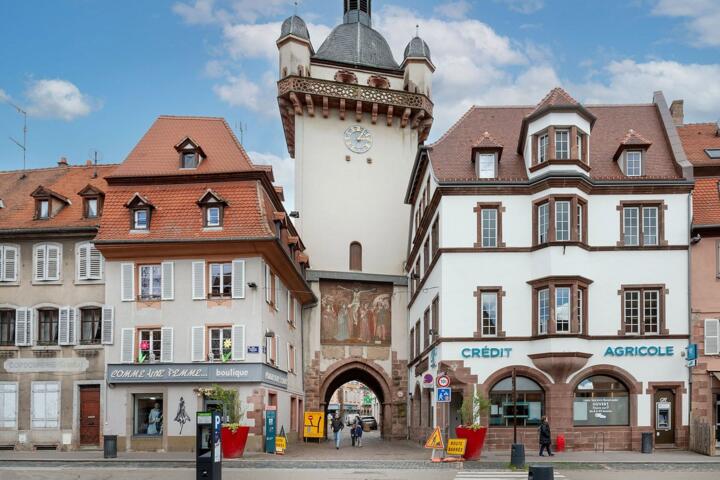
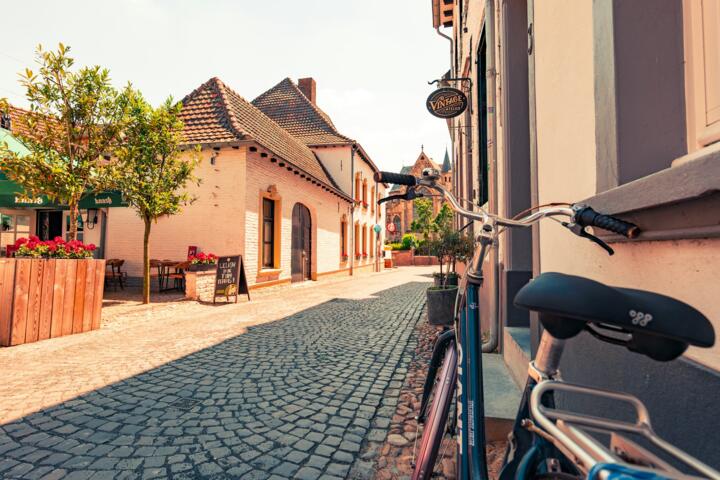
Hidden streets are narrow lanes, alleys, or byways often overshadowed by popular city routes yet brimming with culture and character. These streets reveal architectural details, local art, and small-scale commerce overlooked by larger roads. They usually embody the authentic lifestyle of the city’s inhabitants, from artisanal shops to family-owned cafes.
Take Venice’s calle, a network of intricate alleys like Rio Marin that weave historic charm beyond the tourist-packed St. Mark’s Square. Similarly, in Kyoto, narrow pathlike Pontocho Alley epitomizes traditional Japanese nightlife hidden behind small doors and lanterns. Data from tourism analytics firm Euromonitor notes that 43% of travelers prioritize experiential urban exploration over mainstream attractions, amplifying the value of secret streets.
Solutions & Tips
Utilize Local Walking Tours
Guided tours like those from SANDEMANs New York Hidden Highlights or Paris’ Secret Passages Tour help travelers uncover hidden streets with historical context. These tours draw from local expertise, blending storytelling with hands-on exploration, increasing visitor engagement by up to 75% according to participant data.
Apps for Urban Exploration
Leverage urban discovery apps such as Detour and Like A Local Guides that curate lesser-known city routes. Features include offline maps and insider tips, perfect for independent exploration, boosting foot traffic in underappreciated neighborhoods. Data from Sensor Tower showed a 32% increase in such app downloads during 2023.
Support Local Businesses
Engage directly with local artisans and eateries located on hidden streets. Platforms like EatWith or Airbnb Experiences connect users with authentic, small-scale operations. Supporting these businesses ensures sustainability and preserves the cultural fabric of hidden lanes.
Respect Cultural Heritage
Learning local customs and maintaining respectful behavior sustains the authenticity of hidden streets. Many city districts, like Barcelona's El Born, have preserved cultural practices through community-driven initiatives backed by local governments.
Use Smart Urban Planning
Municipalities should incentivize preservation of hidden streets by integrating them within city tourism strategies. The City of Lisbon’s 'Lisbon Secrets' campaign revitalized overlooked neighborhoods by adding signage and multilingual guides, resulting in a 20% rise in visitor satisfaction scores.
Case Studies
1. Lisbon's Alfama District Revival
Problem:Alfama, a traditional quarter, was overshadowed by modern parts of Lisbon and suffered from depopulation.
Solution:The city launched targeted walking tours and improved metro access, teamed with local artisan fairs.
Result:Tourist visits to Alfama increased by 35% within two years, aiding local businesses and restoring community pride.
2. New York’s DUMBO Neighborhood
Problem:Once a neglected industrial area, DUMBO lacked interest from tourists despite proximity to Manhattan.
Intervention:The Brooklyn Bridge Park conservancy drew attention to hidden streets through public art installations and food markets.
Outcome:Visits surged by 40% and local retail revenues increased by 22% in three years, showcasing how hidden streets can be leveraged sustainably.
Exploration Checklist
| Action | Why It Matters | Tools & Examples |
|---|---|---|
| 1. Research tours | Gain insider knowledge and history. | SANDEMANs, Local Guides |
| 2. Use apps | Navigate independently with offline maps. | Detour, GPSmyCity |
| 3. Visit shops | Support local economy and traditions. | EatWith, Airbnb Exp. |
| 4. Respect customs | Maintain authentic cultural environment. | Tourism boards, Websites |
Common Mistakes
First, relying solely on mainstream city maps often misses hidden streets altogether. Avoid this by consulting local guides or community-run blogs.
Second, rushing through these narrow streets without slowing down misses their essence. Allocate extra time to absorb details like street art or small shops.
Third, neglecting respect for residents can create tension. Always observe privacy, avoid loud behavior, and adhere to any posted rules.
Lastly, failing to plan transport connections to these areas leads to frustration. Use comprehensive journey planning apps like Citymapper to streamline your visit.
FAQ
What defines a hidden street in a city?
Hidden streets are small, often overlooked pathways rich in cultural, historical, or local significance, usually away from major tourist routes.
How can I find hidden streets when traveling?
Use local walking tours, dedicated exploration apps, consult resident recommendations, and seek out community events to discover these gems.
Are hidden streets safe for tourists?
Most hidden streets in well-traveled cities are safe if standard travel precautions are taken, such as visiting during daylight and staying aware of surroundings.
Why should I explore hidden streets instead of famous landmarks?
Hidden streets offer authentic insights into local culture, lifestyle, and history often absent on crowded landmark streets, enriching your travel experience.
Can exploring hidden streets contribute to sustainable tourism?
Yes, by spreading visitor flow and supporting local businesses, exploring hidden streets helps reduce overtourism and fosters community resilience.
Author's Insight
Having spent years exploring major cities worldwide, the hidden streets are often where I find the most memorable moments. These lanes layer history with daily life in ways no landmark can. From sipping coffee in a tucked-away café in Vienna’s Neubau district to discovering street murals in Valparaiso’s labyrinthine alleys, each visit deepened my love for urban diversity. I recommend travelers embrace curiosity and plan time intentionally to explore beyond the obvious. Use local resources and tread lightly to maintain these fragile urban treasures.
Summary
Hidden streets hold the essence of city charm, offering authentic cultural immersion away from crowded spots. To truly connect with a city, leverage local tours, apps, and respectful behavior to uncover these secret passages. Supporting small businesses and respecting community heritage make your experience sustainable and rewarding. Start by researching hidden routes before visiting and allocate time to wander thoughtfully – this transforms travel from sightseeing into love for a city’s soul.