Beach Trip Expectations
Beach vacations blend relaxation and activity, but packing demands unique attention. The average beachgoer spends six hours a day outdoors exposed to sun, salt, and sand. Packing isn’t just about swimsuits; consider a towel that dries in 30 minutes, and a water bottle designed for heat retention like Hydro Flask's 32-ounce model. Sundown can bring drops in temperature depending on the location—some beaches dip to 60°F in the evenings. Bringing clothing for temperature shifts proves wise.
Marine life and beach conditions influence gear choices: some beaches prohibit glass containers, others have strong currents. Researching your destination ahead of time saves hassle. For instance, in Maui, UV exposure remains very high year-round, making 50+ SPF sunscreen nonnegotiable.
Make your bag light, but functional. A lighter load enhances mobility and mood alike.
Common Packing Pitfalls
Overestimating needed items clutters your bag and creates weight issues on planes or excursions. Underpacking, however, leads to buying overpriced essentials on-site, or missing out on comfort. Tourists often pack multiple bulky beach towels instead of quick-dry microfiber versions. These towels weigh twice as much and lose value once wet.
Ignoring footwear needs creates blister problems, especially on hot sand or rocky coasts. Forgetting power adapters if traveling abroad results in dead gadgets. Leaving out water-resistant phone cases wastes chances of capturing beach moments. Lastly, many disregard insect repellents for tropical beaches, only to face bites and discomfort.
Bad packing has real consequences: damp clothes can breed bacteria; no hats lead to sunstroke; wrong shoes cause injuries. A beach vacation transforms when discomfort sets in early. Don’t be that traveler.
Effective Packing Tips
Sun protection gear
Bring broad-spectrum sunscreen rated SPF 50 or higher, such as Neutrogena Ultra Sheer (SPF 70+ also exists). Apply 30 minutes before sun exposure, reapplying every two hours or after swimming. A wide-brimmed hat shields your face and neck better than baseball caps. Polarized sunglasses—brands like Ray-Ban or Oakley—reduce glare and protect eyes from UV rays.
Clothing choices
Select lightweight, loose-fitting outfits made of breathable fabrics like linen or quick-dry polyester. Pack two to three swimsuits to rotate and speed drying. A rash guard offers additional sun protection and prevents irritation from surfboards or rocky surfaces. Include a cover-up for walking to cafes or shops.
Footwear options
Flip-flops or slide sandals serve beach needs but aren’t ideal for walking far. Pack lightweight water shoes or sandals with better sole grip for rocky or coral-heavy areas. Traveling with a second pair prevents discomfort if one gets wet or damaged.
Beach essentials
Instead of bulky towels, bring microfiber towels measuring about 30x60 inches, drying in under an hour. A foldable, compact beach umbrella supports sun breaks and shade. Or carry a lightweight beach tent if expecting long stays. Pack a waterproof phone pouch; many slip on lanyards and float in water.
Hydration and snacks
Carry a reusable insulated water bottle holding at least 20 ounces to maintain hydration in heat. Stash compact snacks like trail mix or protein bars to avoid frequent vendor stops. Cooler bags work for salads or sandwiches. Don't forget to pack small trash bags so you leave no litter behind.
Entertainment and tech
Bring a book or e-reader with a waterproof case. Wireless earbuds bar external noise while playing music or podcasts. A power bank with 10,000 mAh capacity charges phones twice. Leave timers and elaborate gadgets; they add weight without much reward.
Health and safety kit
Include antiseptic wipes, aloe vera gel, blister pads, and antihistamines. Pack a small first aid kit with bandages and pain relievers. Mosquito repellent spray, especially those containing DEET, helps in mangroves or tropical zones. Download offline maps in advance for areas with spotty signal.
Luggage strategy
Use soft-sided duffels or backpacks with multiple compartments for beach gear and daily outings. Compression packing cubes optimize space, separate clean from wet clothes. Rolling clothes saves more volume than folding but works better with firm bags. Keep valuables in a waterproof pouch worn under clothes.
Real Situations and Outcomes
A San Diego family of four faced ruined holiday after forgetting sun hats and sunscreen on their 2022 trip. They spent $150 on replacements and two days with sunburn. Next trip, they packed SPF 100 Neutrogena bottles plus hats; no burns reported and saved $80 on care supplies. Reusing items avoided waste and weight.
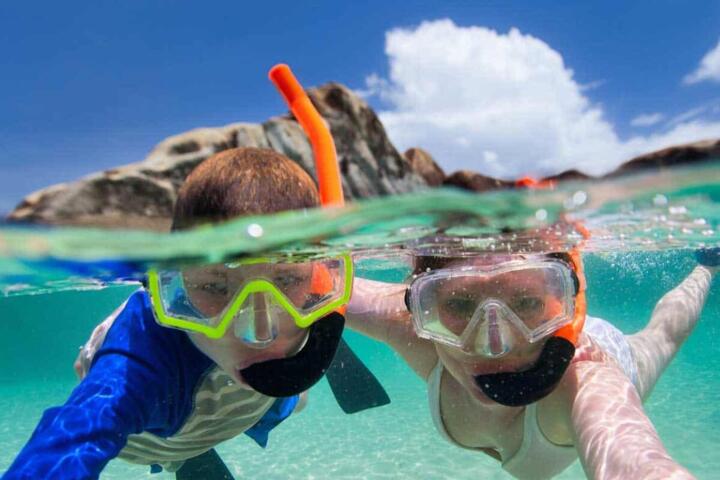
A couple visiting Florida in mid-2023 underestimated footwear needs. Both wore standard flip-flops, ending with blisters and cut feet from coral reefs. They switched to Keen water shoes, improving comfort and mobility, which enabled snorkeling for much longer without pain.
Packing Checklist
| Item | Purpose | Example Brand | Qty |
|---|---|---|---|
| Sunscreen | UV protection | Neutrogena Ultra Sheer | 1 bottle (6 oz) |
| Microfiber Towel | Quick drying | Rainleaf | 1-2 |
| Wide-brimmed Hat | Face/neck shade | Columbia Bora Bora | 1 |
| Water Bottle | Hydration | Hydro Flask, 32 oz | 1 |
| Flip-flops | Easy beachwear | Havaianas | 1 pair |
| Water Shoes | Protect feet | Keen Newport | 1 pair |
| Phone Pouch | Waterproof | JOTO Universal | 1 |
| First Aid Kit | Minor injuries | Surviveware | 1 small kit |
Errors to Avoid
Skipping sunscreen application is common; some trust makeup or moisturizers alone. They usually fail to block UV rays adequately. Do not pack fragile glass bottles if your destination prohibits them; it’s avoidable risk. Many fold towels, leading to bulky piles; rolling saves space, but not weight.
Ignoring local weather patterns causes overpacking; for example, bringing thick sweaters to southern California’s mild coast adds pounds. Buying all gear on-site leads to inflated costs—shady beach umbrellas can cost double online prices. Lastly, overestimating technology needs results in heavy, barely-used devices. Pick gadgets that serve multiple purposes.
FAQ
How much sunscreen should I pack for a 7-day trip?
For a week of daily beach time, pack at least 2 bottles of 6 oz each. Sunscreen gets used faster due to regular reapplication and sweat. Buying too little leads to sunburn risk.
Can I bring electronics near the beach safely?
Yes, but only with water-resistant cases or pouches. Salt spray and sand damage unprotected devices. Wireless earbuds with sweat resistance rating IPX4 or higher perform best.
What types of shoes are best for coral beaches?
Wear water shoes with sturdy soles like Keen Newport or Aleader models. Flip-flops provide little protection against sharp coral edges.
Is it okay to bring regular towels instead of microfiber?
Regular cotton towels absorb water heavily and take hours to dry, increasing bag weight and risk of mold. Microfiber towels dry quickly and fold small, making them preferable.
Should I pack insect repellent for beach trips?
Yes, particularly in tropical or mangrove beaches where mosquitoes and sandflies are common. Choose sprays containing DEET or picaridin for longer protection.
Author's Insight
Thousands of beach trips taught me to value substance over volume in packing. Early mistakes, like forgetting a hat or bringing oversized towels, wasted precious relaxation time. On a 2019 trip to the Florida Keys, a simple waterproof phone pouch saved the day after I dropped my phone in the water, which, frankly, most travelers overlook. Packing light without sacrificing protection or comfort boosts every aspect of beach travel.
Key Takeaways
Effective beach vacation packing means choosing compact, quick-drying, and sun-protective gear. Avoid bulky towels, bring multiple SPF 50+ sunscreen bottles, and use water shoes for coral beaches. Insulating water bottles and a small medical kit improve comfort and safety. Follow a clear checklist focused on function rather than quantity to keep your luggage light and your beach days joyful. Pack smart; relax better.