Understanding Beach Types
Beaches often look alike but differ greatly by ownership and access rules. Public beaches are open to everyone and managed by local or federal governments. Private beaches belong to individuals, companies, or resorts, limiting access to owners or guests. For example, 95% of California’s coastline is public, yet some segments still belong to private properties, making access tricky.
Imagine Laguna Beach, CA, where public access trails lead to sandy shores hidden among private estates. Accessibility depends not only on ownership but also on the presence of legal easements. Beaches sometimes span miles, but a fence can block entry, confusing visitors.
Public beaches tend to offer lifeguards and public restrooms. Private beaches may excel in amenities but restrict usage. The distinction involves trust and responsibility — a public beach must serve a wide community, while a private one focuses on select users.
Six miles of shoreline can pass through various hands, making ownership a patchwork. This complexity impacts conservation policies and usage rules.
Common Misunderstandings
Many think all beaches are free for public access due to natural laws. In fact, private beach owners can enforce trespassing rules beyond the high tide line in several states. This often surprises visitors expecting open shorelines.
Conflicts arise over parking, beach fires, and commercial activities. A staying guest on a private beach might enjoy uninterrupted space, but public beachgoers face crowding, litter, and less control over their environment. This difference affects safety but also enjoyment.
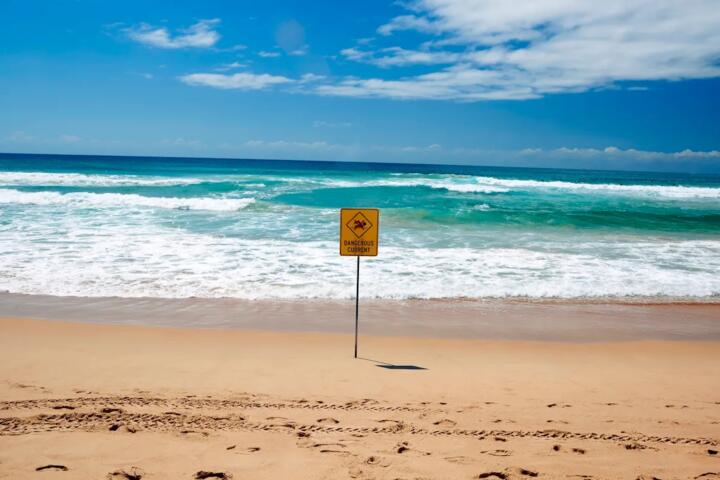
Ignoring posted signs at private beaches leads to fines or confrontations, especially when property boundaries blend naturally with public spaces. Coastal erosion and climate change blur these lines further, complicating the scenario.
Public beaches, funded by taxpayer dollars, usually enforce stricter rules on pollution and wildlife protection. Violations affect whole communities, not just individual landowners.
How to Navigate Beach Use
Check Local Rules
Start by researching municipal websites or beach district maps showing ownership lines. City of Miami Beach, for example, publishes detailed, interactive beach maps online. Confirming this avoids legal trouble.
Respect Posted Signs
Private beach owners post rules about hours, permitted activities, or guest policies. Observing these prevents disputes and supports owners’ rights. Restricted swimming hours or pet bans preserve beach quality.
Use Official Access Points
Always enter public beaches through designated entrances to avoid trespassing on adjacent private lands. Often public parking lots indicate the nearest pathways. This is a must if you use GPS apps that might guide you onto private driveways.
Support Local Conservation
Volunteer with coastal cleanups or donate to organizations like Surfrider Foundation. Whether public or private, beaches rely on stewardship. Data shows regular beach cleanups reduce trash by 30% yearly in some communities.
Choose Accommodations Wisely
Hotels offering private beach access generally advertise this clearly. If privacy and exclusivity matter, book resorts such as those in Maui’s Wailea region, known for well-maintained private stretches. Otherwise, public beach resorts offer lively, social atmospheres.
Plan for Amenities
Public beaches often feature public showers, lifeguards, and picnic areas, which private beaches might lack. Consider bringing your own supplies when visiting private or lesser-serviced beaches. Skimboarding, for example, requires flat, clean sand, often found only at managed beaches.
Stay Informed About Weather and Safety
Public beaches post real-time warnings about tides, sharks, or red tides via local apps. Private beaches might rely on localized systems, sometimes less accessible to visitors. Knowing this can prevent bad surprises.
Understand Legal Limits
Learning your state's beach access laws matters. In New Jersey, the public owns the beach below the mean high tide line, even on private property, but in Maine, private ownership extends further seaward. This affects where one can legally walk or fish.
Practice Good Etiquette
Leave no trace and respect privacy when crossing beach parcels. Loud music or parties might be welcome at a public beach but not tolerated on a private one. Balance personal enjoyment with neighborliness.
Real Examples in Action
In Florida, a beachfront condo association banned non-residents from their sand to reduce overcrowding and property damage. After enforcement, local complaints dropped by 40% and beach conditions visibly improved within the first year.
Conversely, a public beach in North Carolina faced erosion and litter issues until the city imposed usage limits and added more staff. Visitor satisfaction increased 25% and local businesses reported better foot traffic due to cleaner conditions. That initiative showed how managing a public beach can raise costs but improve community benefit.
Comparison Table
| Aspect | Public Beach | Private Beach | Example |
|---|---|---|---|
| Access | Open | Restricted | Miami Beach |
| Amenities | Basic, often lifeguards | Enhanced, private services | Wailea Resort |
| Maintenance | Municipal crews | Private staff | Cape Cod |
| Rules | Public ordinances | Owner discretion | Florida Keys |
| Cost | Free or parking fee | Included in fees | Martha's Vineyard |
Avoiding Common Errors
Don’t assume beach access based on a lack of signage. In many areas, laws vary, and implicit permission doesn’t exist. Ask locals or check official sources before entering private shores.
Avoid parking on private driveways near beaches. Many get ticketed or towed, which, frankly, ruins beach trips with unexpected costs. Use municipal lots or designated areas only.
Ignoring local wildlife protections—such as nesting bird zones—can cause fines and environmental harm. Some beaches, public or private, close specific sections seasonally. Missing these updates is unfortunately common.
Avoid leaving trash behind; it degrades natural beauty and can lead to community backlash. Also, don’t underestimate sun exposure; some private beaches have limited shade, requiring extra sunscreen or umbrellas.
FAQ
Can anyone access public beaches?
Generally, yes. Public beaches are open to the public, but some areas may have restrictions on activities or hours enforced by local laws.
Are private beaches always fenced off?
No. Many private beaches have markers or subtle boundaries, but others rely on signs or informal monitoring rather than physical barriers.
Do private beach owners maintain their shores?
Usually, yes. Private owners invest in cleaning, landscaping, and security, aiming to preserve exclusive use and property value.
What legal protections exist for public beach access?
Legal protections vary by state. Some protect access up to the mean high tide line, while others extend public rights further. Local statutes clarify specifics.
Can I rent a private beach for an event?
Often, yes, through resorts or private owners. Costs, capacity, and rules vary, so contacting the property manager is necessary.
Author's Insight
I’ve spent years working along coastlines, often consulting on beach access issues. In practice, confusion arises from outdated maps and changing regulations, which frustrates visitors and property owners alike. Knowing local law and doing a bit of legwork pays off. Every beach tells a story, and respecting its ownership, use, and ecology unlocks better experiences.
Key Takeaways
Public and private beaches differ in access, maintenance, and usage rules. Understanding these differences and planning accordingly helps avoid legal troubles and improves enjoyment. Use local resources, respect signs, and stay aware of regulations. Beaches, after all, are shared treasures—sometimes by law, sometimes by welcome.