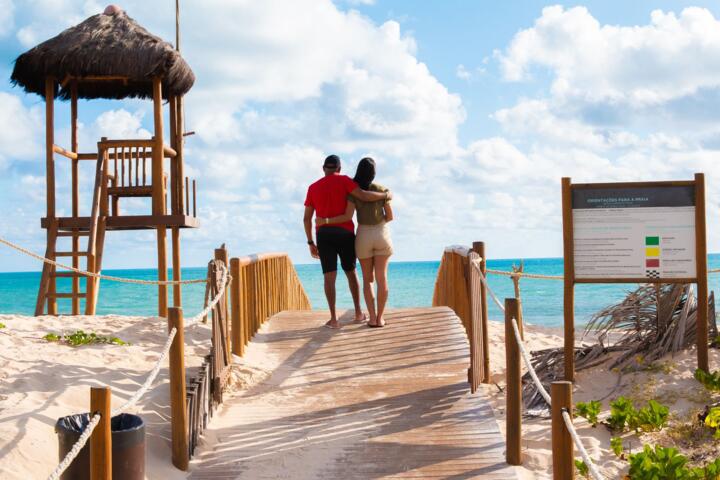
Proposing While Traveling
Travel proposals add moving parts: you’re coordinating transport, lodging, and a public setting that may not match your plan. A proposal also carries health and safety considerations, especially when you’re in unfamiliar places with different emergency services, heat or altitude, and crowding. If you’re planning around a specific moment—sunset, a train arrival, a hotel anniversary dinner—build a backup plan that still feels intentional if the timing shifts by 30–60 minutes.
Start by separating the “yes” moment from the “logistics” moment. The “yes” moment needs privacy, comfort, and a low-stress environment for your partner. The logistics moment covers where you’ll be standing, how you’ll get there, and how you’ll handle interruptions like a restaurant waitlist or a sudden rain shower.
For example, a rooftop proposal can work if the venue allows guests and the staff can help you avoid blocking exits. A beach proposal can work if you plan for wind, sand, and accessibility. A museum proposal can work if you confirm photography rules in advance, since some sites restrict tripods or flash.
Common Planning Pain Points
Many proposals fail because the plan assumes the environment will behave like a staged scene. Weather changes, crowds swell, and transit delays compress your timeline. Even when the proposal itself goes well, a rushed setup can make your partner feel pressured or distracted.
Another frequent issue is ignoring dependencies: the proposal location depends on venue policies, local laws, and practical access. A “quiet viewpoint” may be closed for maintenance, a “private table” may be reassigned, and a “no one will notice” spot may be busy at that hour. If you plan to involve staff, you need to know what they can do; some hotels and restaurants can help with a small arrangement, while others cannot.
Health and safety details also get overlooked. If your partner has mobility needs, stairs and uneven ground can turn a romantic plan into a stressful one. If you’re traveling in hot climates, prolonged waiting in direct sun can cause heat stress, and dehydration can worsen fatigue. If you’re at altitude, shortness of breath can feel alarming even when it’s mild—plan a slower pace and a place to sit.
Finally, people sometimes underestimate consent and communication. A surprise proposal can still be respectful, but it should not trap your partner in a situation where they feel obligated to perform. If your relationship includes prior conversations about marriage, you can reduce uncertainty; if it doesn’t, a travel setting can add pressure that neither of you wants.
Advice For A Safer Proposal
Confirm Location Rules Early
Contact the venue before you arrive and ask about photography, crowding, and whether staff can help you coordinate quietly. Many places have rules about flash, tripods, and blocking walkways. If you’re using a restaurant, ask about timing windows and whether you can reserve a specific seating area.
Bring a small “plan B” kit: a backup ring box, a simple note, and a way to keep the ring dry. I once saw a proposal delayed because the ring was in a pocket that got soaked during a sudden downpour; the couple switched to a short indoor moment and the day still worked. That kind of contingency takes minutes to prepare.
If you’re traveling internationally, check local ordinances about public gatherings and any restrictions on commercial photography. Rules vary by city and venue, and staff at the site usually know what’s allowed.
Plan For Timing And Delays
Build a schedule that assumes delays. If you’re relying on a sunset, check the time for your exact dates and location, then add a buffer for cloud cover and crowding. If you’re planning around a train or flight, avoid proposals that require you to be in a specific place at a specific minute unless you have a reliable buffer.
Use a simple “time ladder”: primary moment, secondary moment 30–60 minutes later, and a final indoor option. Keep the indoor option close to where you’re already staying so you’re not sprinting across town. A mild frustration is common here—people plan the perfect spot and forget that the last mile is the part that breaks.
For photos, test your method before the day. If you’re using a phone timer or a remote shutter, practice once in your hotel room. On my last trip planning, I used a phone remote shutter app (version noted in the app store listing) and learned that the camera focus can shift if you’re too close to the subject.
Handle Comfort, Access, And Health
Choose a location that matches your partner’s physical comfort. If there are stairs, steep paths, or long standing periods, plan a route that includes a place to sit. If you’re in heat, schedule earlier in the day and carry water; if you’re in cold weather, plan for gloves and warmth so your partner isn’t distracted by discomfort.
Consider crowding and noise. Loud environments can make it hard to hear each other, and crowded areas increase the chance of interruptions. If you’re proposing in a public space, keep your plan compact so you don’t block emergency access or walkways.
If your partner has allergies, avoid surprises like strong fragrances or food arrangements that could trigger symptoms. Restaurants and hotels can often accommodate ingredient requests, but you need to ask in advance.
Keep The Moment Respectful
Even with a surprise, you can reduce pressure by keeping the interaction calm and brief. Avoid long speeches that require your partner to respond immediately while standing in uncomfortable conditions. A short, clear proposal followed by a pause gives your partner room to process.
If you’re involving others—friends, a photographer, or staff—set expectations. Tell your helper where to stand, when to step back, and how to handle a “no” or a “not yet” response without escalating the situation. Some couples prefer a private moment first and photos afterward, which reduces the risk of awkwardness.
After the proposal, plan a low-stress next step. If you’re traveling, you may need to return to the hotel, manage luggage, or catch a reservation. A calm transition helps the moment feel safe rather than chaotic.
Educational Case Examples
Scenario 1: Rooftop dinner with a weather backup. A couple booked a rooftop table for an evening proposal. Rain moved in earlier than expected, and the venue offered an indoor seating area with similar lighting. They had already agreed on a short script and a backup photo plan using the restaurant’s window view. The proposal happened indoors, and the couple still had time to celebrate without rushing to the next reservation.
Scenario 2: Museum proposal with photo restrictions. Another couple planned a proposal in a museum atrium and assumed they could take photos freely. Staff later clarified that flash and tripods were not allowed, and a small group could not block visitor flow. They adjusted by using a handheld camera with no flash and choosing a quieter side corridor. The proposal remained private, and the couple avoided drawing attention from security.
Proposal Planning Checklist
| Decision Area | What To Check | Practical Tip | Risk If Skipped |
|---|---|---|---|
| Venue rules | Photography, flash, tripods, crowding | Ask staff by email or phone before arrival | Security interruptions or forced changes |
| Timing | Sunset/meal windows, transit buffers | Plan primary + 1 backup + 1 indoor option | Rushed setup and missed moment |
| Comfort | Standing time, stairs, weather exposure | Choose a route with seating and shade | Discomfort that derails the mood |
| Health basics | Hydration, allergies, mobility needs | Carry water and confirm food ingredients | Symptoms or safety concerns |
| Consent handling | Response options, privacy, helper instructions | Keep it brief and avoid public pressure | Awkwardness or coercion |
Common Mistakes To Avoid
People often over-plan the “perfect” location and under-plan the human factors. If your partner is tired from travel, a long walk to a viewpoint can turn the proposal into a test of endurance. Shorten the route and build in a place to sit before the moment.
Another mistake is assuming staff will handle details without clear instructions. A server may not know you want a quiet moment, and a hotel concierge may not know you need a specific seating arrangement. Send a concise request, include your timing window, and ask what they can do.
Some travelers also underestimate how photos can create problems. Flash can be restricted in museums, and tripods can block aisles. If you’re using a remote shutter, test it once; camera focus and battery level can fail at the worst time.
Finally, people sometimes treat the proposal as a one-way event. If your partner responds with “not yet,” the trip should still feel safe and respectful. Plan a calm follow-up conversation later, not a public debate in front of strangers.
FAQ
How can I keep the proposal private in public places?
Choose a spot with natural separation from crowds, keep your group small, and avoid blocking walkways. Confirm venue rules for photography and ask staff if there’s a quieter area you can reserve.
What should I do if weather ruins the plan?
Use a primary location plus at least one indoor or sheltered backup within the same area. Keep the ring and any notes protected from rain and have a short script that works anywhere.
Is it safe to propose during long travel days?
Plan for fatigue and hydration. If your partner is likely to be tired, schedule the proposal for a calmer time after you arrive, and avoid long standing periods in heat or cold.
How do I handle a “not yet” response while traveling?
Pause the event, thank your partner for the honesty, and move to a private, low-stress setting. Discuss next steps later, and avoid involving strangers or escalating the situation.
Can I propose with a ring I bought online while traveling?
Check the ring’s size and packaging before the trip, and carry it in a secure case. If the ring is delayed or doesn’t fit, plan an alternative such as a written proposal and a later ring purchase.
Author's Insight
Travel proposals sit at the intersection of communication, logistics, and safety. Planning works best when you treat the environment as uncertain: venues have policies, weather changes, and crowds shift. A respectful proposal also depends on consent and emotional safety, which means keeping the moment brief and avoiding public pressure. If you’re planning around health factors like heat, mobility needs, or allergies, build the schedule around comfort rather than aesthetics. The most reliable plans include a backup location and a calm transition after the proposal.
Key Takeaways
- Confirm venue rules for photography and movement before you arrive, then plan a sheltered backup.
- Build timing buffers for transit and weather so the proposal stays calm instead of rushed.
- Choose a location that matches your partner’s comfort and mobility needs, and plan hydration and warmth.
- Keep the proposal respectful and brief, with helper instructions that protect privacy and reduce pressure.