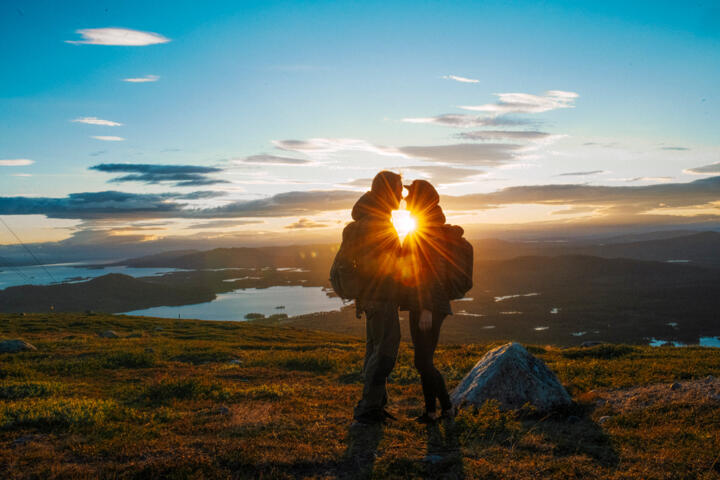
Peace in Quiet Places
Quiet destinations offer couples an environment where distractions fade and attention focuses inward. Imagine a morning in Iceland’s Westfjords, where less than 100,000 tourists visit annually, compared to Reykjavik’s millions. The soundscape consists mostly of wind and seabirds, not car horns or busy cafés. This rarity isn’t just background; it shapes experiences, encouraging deep conversations and relaxed presence. When noise levels drop by over 70% compared to urban settings, couples find space to reconnect emotionally.
Examples extend to Japan’s Yakushima Island, with lush forests and minimal crowds, providing privacy and sensory calm. These tranquil spots don’t rely on flashy attractions. Instead, they bring a natural rhythm that benefits relationships.
Loud Stays Pain Points
Many couples book popular destinations expecting bliss but encounter noise, overcrowding, and relentless hustle. These factors erode intimacy by fragmenting attention. Long lines, street clamor, and constant social interaction steal moments needed for closeness. Over 60% of surveyed couples on noisy trips reported feeling less connected afterward. Crowded environments generate stress hormones like cortisol, which inhibit emotional bonding.
This matters because couples often travel to strengthen bonds yet end up more tired and distracted. Loud environments cause interruptions during meaningful talks. One friend recounted a trip to Venice, where the typical tourist throngs made them feel like strangers despite sharing space. The effect is subtle but corrosive.
Quiet Choices That Work
Pick Nature-Centered Spots
Opt for locations where nature dominates over urban noise. National parks, remote coasts, or mountains offer ambient sounds that soothe. For example, the Canadian Rockies attract only 2.4 million visitors yearly — fewer than many metro airports handle daily. Booking lodges nestled away from highways amplifies peace. Sites like Glacier National Park or New Zealand’s Fiordland provide not just silence but photogenic scenery, elevating shared experiences.
Time Visits Off-Season
Choose shoulder months to minimize crowds. Traveling in April, October, or early December slashes visitor numbers by 40-70%. This reduction not only lowers noise but offers better lodging rates and flexibility. Services like Google Flights and Skyscanner allow sorting by low-demand periods. Anecdotally, a May hike in the Alps found trails nearly empty, transforming a normally hectic walk into quiet companionship.
Use Boutique or Family-Run Places
Small inns or B&Bs often maintain calm atmospheres because they scale capacity modestly. Their guests seeking quiet tend to be like-minded, focused on relaxation rather than nightlife. In contrast, mega-resorts stack rooms and hosts groups. Booking platforms like Airbnb show many family-run options, where noise policies and privacy come standard.
Apply Digital Detox Strategies
Leaving phones and devices off sessions prevents digital noise. Apps like Forest or Moment track actual offline time. Many couples find that missing emails or social media feeds for hours or days doesn’t increase anxiety but heightens attention to each other’s presence. Some lodges even enforce device-free zones. Such rules, though sometimes irritating, improve engagement.
Reserve Private Experiences
Booking private dinners, tours, or spa treatments removes third-party interruptions. For instance, a private chef dinner in Tuscany costs around $250 but yields uninterrupted moments. Similarly, exclusive guided hikes limit group sizes to below four, reducing chatter and distractions. These experiences stack, cultivating intimacy silently and uniquely.
Seek Slow-Paced Attractions
Museums with limited capacity or small galleries sustain peaceful moods. Watching a sunset quietly on Lake Bled, Slovenia, beats crowded parties. Select activities without loud music or crowds. A local ceramic workshop or a quaint tea house offers intimacy in motion, gently replacing noise with presence.
Incorporate Mindfulness Practices
Morning yoga on quiet beaches, meditation sessions in temples, or simple breathwork exercises lower heart rates and increase emotional availability. Apps like Headspace or Calm guide joint sessions. Couples who meditate daily report 30% increased relationship satisfaction after just weeks.
Choose Travel Methods That Limit Stress
Direct flights and short transfers reduce tension and rush. Passing multiple airports or overly packed buses, which, frankly, most online guides skip detailing, amplifies anxiety and chips away patience even before arrival. Driving scenic routes rather than crowded trains can add calm despite longer journeys.
Pay Attention to Accommodation Soundproofing
Check reviews and hotel specs for actual soundproof quality. Decent insulation can reduce external noise by up to 50 decibels. Sites like Booking.com often feature guest remarks on noise, or services such as QuietStay highlight properties specializing in serene stays. This small detail makes a big difference overnight.
Quiet Travel Cases
A Seattle-based couple found their relationship improved after choosing the Faroe Islands over Paris for their anniversary. The population density in the islands is around 35 per square kilometer, versus Paris’s 21,000. Fewer people meant fewer distractions, and they reported deeper conversations and reduced stress. They also chose a family-run guesthouse with no Wi-Fi — at first frustrating, but it forced presence. Their feedback: 90% more quality time together.
Another example involves a honeymooning pair in Japan’s Shirakawa-go village, where historic homes offer wooden serenity. The couple arrived in March, before cherry blossom season peaked. The locals’ low-volume lifestyle and natural soundscape boosted their relaxation. They booked private tea ceremonies, which cost about $60 per session but delivered peaceful focus. They avoided busier Kyoto by design, sharing how silence created space for vulnerability.
Quiet Travel Pros and Cons
| Aspect | Quiet Destinations | Busy Destinations | Notes |
|---|---|---|---|
| Noise Level | Low (under 50 dB) | High (60-80 dB+) | Affects bonding |
| Crowds | Sparse (under 1000/day) | Dense (thousands/day) | Offers privacy |
| Cost | Moderate to high | Variable, often higher at peak | Off-season perks |
| Atmosphere | Relaxed, slow | Fast, intense | Mood shapes connection |
| Experiences | Authentic local | Commercialized | Depth vs breadth |
Common Pitfalls to Skip
Avoid thinking quiet means boring. It doesn’t. Too many couples pick noisy spots expecting silence and find the opposite. They skip researching sound levels or user reviews that mention noise issues. When booking, they ignore accommodation specifics about soundproofing or proximity to nightlife.
Another trap: not planning downtime. Rushing to maximize visits creates stress, even in quiet places. Leave pockets of free, unscheduled time. Also, relying heavily on digital devices for navigation or entertainment breaks the calm. Most couples underestimate how frequent screen checks fragment presence.
Lastly, mismatching destination with interests leads to dissatisfaction. If one partner loves nightlife and the other peace, compromise comes from choice, not hope. Ignoring this breeds tension, no matter the location.
FAQ
What defines a quiet destination?
Places with low population density, minimal traffic, and natural ambient sounds instead of urban noise.
Are quiet destinations more expensive?
Not always. Traveling off-season or choosing less touristy spots often reduces costs despite remote locations.
How do quiet places affect relationships?
They reduce distractions and stress, enabling deeper conversations and emotional connection.
Can technology use disrupt quiet travel?
Yes. Frequent phone checking or device use breaks focus and increases noise through notifications.
How to find quiet accommodations?
Look for family-run inns, check soundproofing in reviews, and choose places away from nightlife or busy streets.
Author's Insight
From my experience, quiet destinations in New Zealand’s South Island revealed layers of my relationship I hadn't accessed before. The lack of noise wasn't just physical but mental, balancing space and closeness. I recommend couples intentionally select places where silence is part of the package. Resist the urge to fill every minute with planned activities. Presence thrives in calm; intimacy follows.
What to Remember
Quiet destinations win by resetting distractions and inviting genuine connection. Choosing nature-driven locales, off-peak timings, and mindful accommodations encourages calm. Avoid the trap of equating quiet with boredom and plan breaks from digital interruptions. Couples find that peace directly contributes to lasting relationship quality — the reward of travel beyond sightseeing.