Sunset Sets The Mood
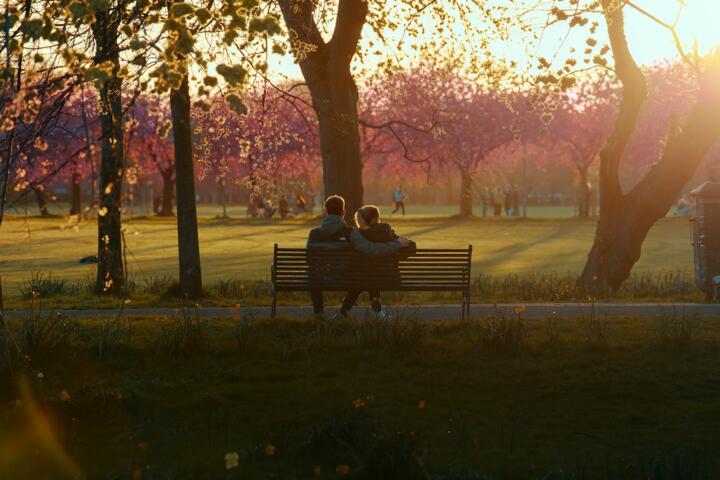
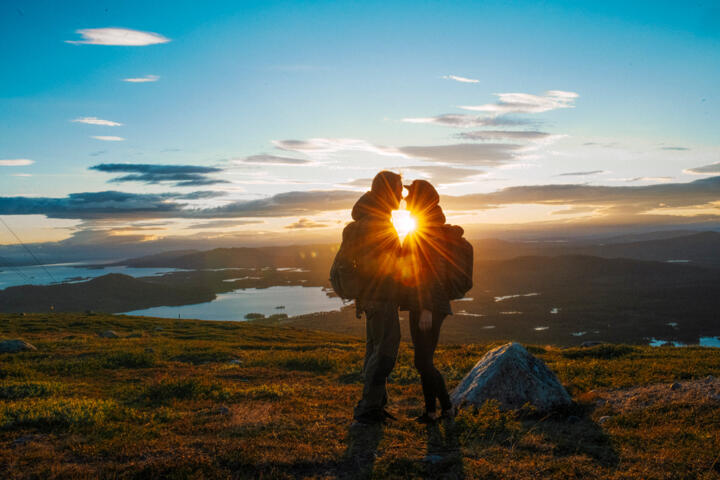
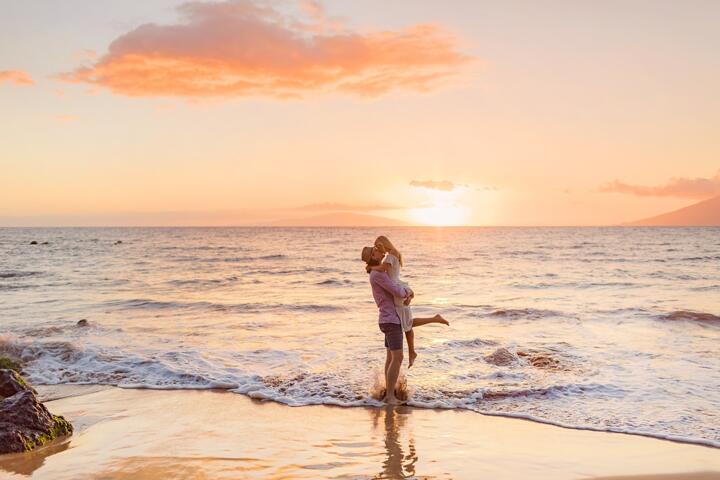
Sunset timing shapes a romantic evening because it changes the sensory mix: light color, glare level, ambient temperature, and how people move through public spaces. The “golden hour” look comes from the sun’s low angle, which reduces harsh overhead shadows and warms the scene. That shift affects how faces look in photos, how comfortable it feels to sit outside, and how easy it is to read menus or maps without squinting. Sunset also marks a predictable transition in foot traffic, since many people leave work, head to viewpoints, or look for dinner reservations. If you plan around the wrong minute, you often get the worst of both worlds: bright glare before sunset or dim lighting after it, plus crowds that peak around the same time.
Common Planning Mistakes
People often treat sunset as a single time stamp, then build the plan as if the environment stays constant. In reality, the lighting and comfort change in stages: late afternoon light, the final hour before sunset, the moment of sunset, and the period after when streetlights and restaurant lighting take over. Another frequent error involves travel time. A route that takes 20 minutes at 4:30 PM can take 35 minutes at 6:15 PM because roads near popular viewpoints get slower and parking fills. Many plans also ignore “micro-weather” effects. Coastal breezes, lake humidity, and open-field wind can make the air feel cooler faster than the forecast suggests, which affects how long you can stay comfortably outdoors.
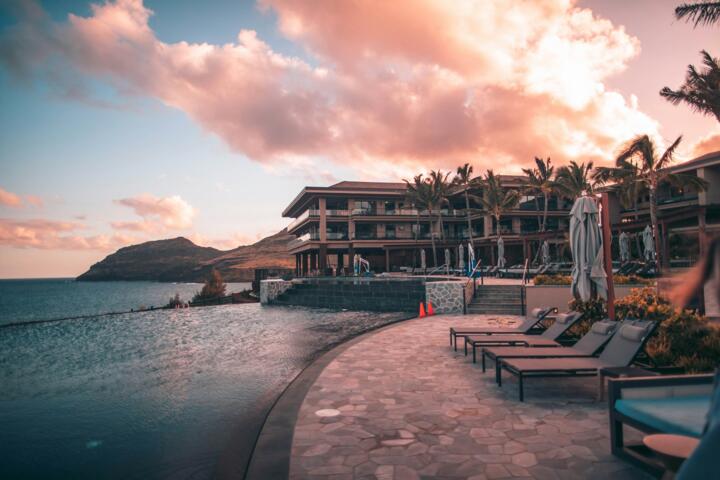
Supporting factors matter too. Local sunset times vary by date and location, and daylight saving time shifts the clock without changing the sun’s behavior. Cloud cover changes the color and brightness dramatically; a thin cloud layer can create a softer glow, while heavy clouds can flatten the scene. Even the venue’s lighting design matters: a restaurant patio with warm string lights can look romantic after sunset, while a parking-lot view can feel harsh once the sun drops. If you rely on a single photo reference from a different city or season, the lighting mismatch shows up immediately.
How To Pick The Right Window
Use A Time Buffer, Not A Guess
Start with the local sunset time for your exact date and area, then plan backward. A practical approach is to arrive 30–45 minutes before sunset if your plan depends on outdoor views or walking. That window usually captures the warm, low-angle light while still keeping the air comfortable for most people. If your plan involves a long drive or parking hunt, add another 10–20 minutes; the “last mile” often becomes the bottleneck. I’ve seen this go wrong during a July 2024 weekend when a 6:00 PM reservation turned into a 6:35 PM arrival because the parking lot filled before the couple reached the entrance.
Match Lighting To The Activity
Different parts of a romantic evening benefit from different lighting conditions. For conversation and relaxed strolling, the final 45 minutes before sunset often works well because glare stays lower and shadows soften. For dining, you want stable lighting that doesn’t force you to squint at menus; many patios switch from daylight to artificial lighting around the time the sun drops, and that transition can be jarring if you sit too close to a bright doorway or spotlight. For photos, the “golden hour” look typically peaks before the sun fully disappears; after sunset, camera sensors and phone night modes can help, but they also introduce motion blur if you’re walking or if wind shakes the scene. If you plan to take pictures, test your phone settings at the venue once, then keep the same approach for the whole evening.
Plan For Temperature And Wind
Sunset timing also tracks a temperature change. In many climates, the air cools noticeably in the hour after sunset, and wind can make that drop feel faster. A simple method is to check the hour-by-hour forecast for “feels like” temperature and wind speed, not just the high for the day. Bring a layer that you can put on quickly, like a light jacket or a scarf, and choose seating that reduces wind exposure. If you’re near water, humidity can keep the air feeling cooler even when the thermometer looks mild. This is one reason outdoor plans can feel romantic for 45 minutes and then become uncomfortable, which is when couples start rushing the next step.
Control Crowds With A Staggered Schedule
Popular sunset viewpoints often see a predictable crowd pattern: people arrive early to claim spots, then linger for the view, then move toward dinner. If you schedule both the viewpoint and the dinner at the same “peak” time, you stack delays. A staggered plan reduces friction: arrive early for the view, then move to dinner 20–40 minutes after the peak crowd wave. Reservations help, but they do not fix parking or traffic. If you use a navigation app, check whether it offers live traffic and parking guidance; some routes that look short on the map become slow near event areas, and the app may not reroute quickly enough once congestion starts. I’ve noticed this with Google Maps in late-summer evenings, where the “fastest route” can flip after you’ve already committed to a turn.
Case Examples For Real Planning
City Waterfront With A 6:58 PM Sunset
In a coastal city, a couple plans for a 6:58 PM sunset on a Saturday. They arrive at 6:10 PM, walk along the waterfront for 25 minutes, and then head to a nearby restaurant with a 7:30 PM reservation. The key decision is timing the walk to the warm light while leaving enough buffer for parking and a short indoor transition. When a light breeze picks up around 7:20 PM, they move inside early rather than forcing the full view. The evening feels unhurried because the plan includes a “comfort exit” before the temperature drop becomes noticeable.
Suburban Park With Cloudy Skies
In a suburban area, a couple targets a park viewpoint for a 7:12 PM sunset, but clouds roll in. They still arrive 40 minutes early, expecting the scene to look softer rather than dramatic. They choose a spot with partial tree cover to reduce wind and glare, then keep the photo plan short because cloud cover can flatten contrast. After sunset, they switch to a nearby café with warm lighting and a quick menu decision. The result stays romantic because the plan adapts to the sky conditions instead of treating sunset as a guaranteed visual effect.
Sunset Timing Checklist
| Planning Element | Recommended Window | What Changes | Failure Mode |
|---|---|---|---|
| Arrival at viewpoint | 30–45 minutes before sunset | Warm light, lower glare, easier walking | Arrive late and miss the best color |
| Outdoor comfort | Plan to move indoors within 45–75 minutes after sunset | Cooling air, wind feel increases | Stay too long and rush the next stop |
| Photo timing | Peak before the sun fully drops | Better face contrast, fewer night-mode artifacts | Rely on night mode while moving |
| Dinner transition | 20–40 minutes after peak crowd arrival | Traffic eases, parking improves | Stack delays at the same time |
Common Mistakes That Break The Mood
One mistake involves overpacking the schedule with “must-do” stops. If you schedule a viewpoint, a walk, a photo session, and a dinner all within a narrow time band, any delay forces you to cut the most important part. Another mistake is ignoring venue lighting. A patio with harsh overhead bulbs can make faces look flat, and a dark walkway can turn a romantic stroll into a safety problem. People also underestimate how quickly wind changes comfort near open areas. A light jacket that feels fine at 6:20 PM can feel inadequate at 7:10 PM.
Some couples plan around a sunset time from a different location or a different date. Sunset shifts by minutes across the calendar, and a few minutes can matter when parking and reservations are tight. Others rely on a single weather snapshot and skip the hour-by-hour view; cloud cover and wind often change after the forecast update. If you use a mapping app, avoid locking into one route without checking live traffic, since congestion near popular viewpoints can start earlier than expected. I once watched a group miss their dinner because they kept following a “shortest distance” route that stayed blocked for 15 minutes.
FAQ
How early should we arrive for sunset?
Arrive about 30–45 minutes before sunset if you want the warm light and easier walking. Add extra time for parking and crowd movement.
Does cloud cover ruin the romantic look?
Clouds change the effect rather than always ruining it. Thin clouds can soften the scene, while heavy clouds reduce contrast and make the sky less dramatic.
What time should we switch from outdoors to dinner?
Plan a transition within roughly 45–75 minutes after sunset, depending on wind and temperature. This keeps comfort from turning into impatience.
How do we avoid traffic and parking problems?
Stagger the schedule so dinner starts after the peak crowd wave. Use live traffic guidance and build a buffer for the last mile.
Is night mode on a phone a good substitute for golden hour?
Night mode can help with low light, but it often needs steadier framing and can blur moving subjects. For walking scenes, the pre-sunset window usually produces more reliable results.
Author's Insight
Sunset timing affects romance through measurable environmental shifts: sun angle changes color and glare, temperature trends downward, and public spaces experience predictable crowd waves. Those factors connect directly to practical planning choices like arrival time buffers, lighting-aware venue selection, and comfort layers. Weather forecasts still miss local wind and microclimates, so a plan that includes an indoor fallback tends to feel calmer. I’m not using personal clinical experience here; the guidance comes from general principles of human comfort, optics, and real-world event timing.
Key Takeaways
- Plan around a time window, not a single sunset minute: arrive 30–45 minutes early for the best light.
- Use a comfort buffer after sunset because wind and temperature often change faster than people expect.
- Stagger viewpoint time and dinner time to reduce traffic and parking friction.
- Check hour-by-hour weather and live traffic, then keep a simple indoor fallback if conditions shift.