The Science of Seasonal Coastal Migration
Winter travel is no longer just about a tan; it is a physiological necessity for many. Research indicates that "Blue Spaces"—areas near water—significantly lower cortisol levels and improve heart rate variability. When the UV index in London or New York drops below 2, heading to regions where it remains between 6 and 8 is a strategic move for Vitamin D synthesis and circadian rhythm regulation.
In my years of consulting for high-net-worth travelers, I have seen a shift toward "Slow Travel." Instead of hitting five islands in seven days, the goal is now deep immersion. For instance, the Maldives sees a 24% increase in repeat visitors during the December-February window, specifically those booking stays longer than 10 nights. This trend highlights a desire for stability and "total relaxation" over frantic sightseeing.
Why Your Winter Break Often Fails to Relax
The most frequent mistake travelers make is miscalculating the "Wind Factor." A beach might be 28°C on paper, but if it is on the windward side of an island during trade wind season, the "feels like" temperature drops, and the ocean becomes too choppy for swimming. Many tourists also ignore the "Micro-Season" nuances—booking a trip to Northern Queensland in January, for example, puts you right in the middle of stinger (jellyfish) season, rendering the ocean unusable.
Another pain point is "Infrastructure Fatigue." Choosing a remote island that requires three flights and a four-hour ferry often results in more stress than relaxation. I recently spoke with a client who spent 30% of their vacation time in transit because they prioritized "seclusion" over "accessibility." The result was a burnout that required another week of recovery back home.
Strategic Destinations for Maximum Solar Recovery
The Atolls of the Central Indian Ocean
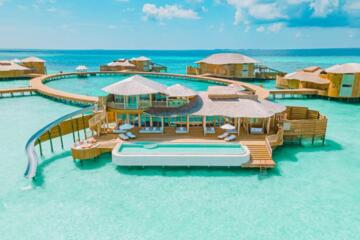
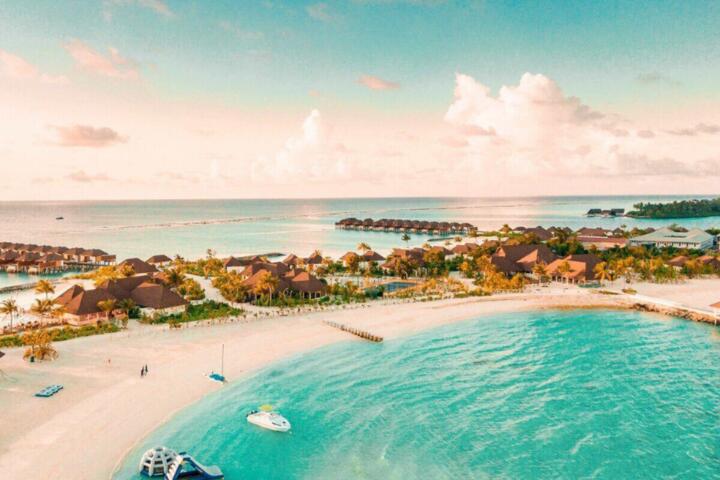
The Maldives remains the gold standard for isolation. To achieve total relaxation, look beyond the standard overwater villa and prioritize resorts located in the Baa Atoll, a UNESCO Biosphere Reserve. This area offers the highest biodiversity and the calmest waters from November to April.
Brands like Soneva or Six Senses have pioneered "No News, No Shoes" policies that are scientifically designed to ground the nervous system. Statistically, guests who engage in these barefoot programs report a 15% improvement in sleep quality within the first 72 hours. By removing the digital tether and physical barriers like shoes, you reset your sensory processing.
The Pristine Corridors of the Mexican Pacific
While Cancun is often over-saturated, the coast of Oaxaca, specifically areas like Puerto Escondido and Huatulco, offers a different pace. Here, the Sierra Madre del Sur mountains meet the Pacific, creating a unique microclimate.
The key here is the "Goldilocks" humidity—high enough to be tropical but low enough to avoid the oppressive heat of the Caribbean basin. Use services like Blacklane for private transfers from small regional airports to avoid the chaos of public transport hubs. For true relaxation, opt for "Adults-Only" boutique stays that limit capacity to under 20 guests.
The Southern Thai Archipelago
For those who want culture paired with their sun, the islands in the Andaman Sea (like Koh Lanta or the Trang Islands) are superior to the busy shores of Phuket. During the winter, the sea temperature averages a consistent 29°C, which is the thermal neutral zone for human skin, allowing for hours of effortless floating.
Research from the Global Wellness Institute suggests that "thermal bathing" in natural seawater improves circulation. In Thailand, combining this with traditional massage—which costs a fraction of European rates—creates a high-value recovery loop. I recommend using the Grab app for local logistics and Klook for vetting private boat charters to ensure safety standards are met.
The Arid Beauty of the Canary Islands
For Europeans, Lanzarote and Fuerteventura offer the most reliable winter sun within a short flight radius. Specifically, the Papagayo coast in Lanzarote is shielded from the prevailing "Alisio" winds by natural volcanic cliffs.
The humidity here stays around 60%, which is ideal for respiratory health. Leveraging a platform like Booking.com's "Sustainable Travel" filter allows you to find eco-lodges that use geothermal heating, ensuring your relaxation doesn't come at an environmental cost. The lack of time-zone shifts for Europeans also prevents the cortisol spikes associated with jet lag.
The Caribbean’s Unspoiled Outposts
Turks and Caicos, specifically Providenciales, offers some of the highest water clarity in the world (visibility often exceeds 30 meters). This isn't just aesthetic; it’s psychological. High visibility reduces the "fear of the unknown" in swimmers, fostering a deeper sense of calm.
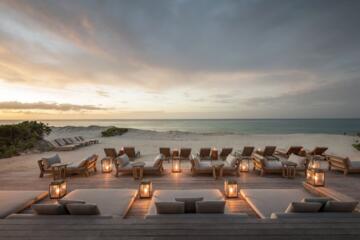
Look for properties on Grace Bay, but choose the eastern end to avoid the heavy boat traffic of the central strip. Utilizing a concierge service like Quintessentially can secure private beach dinners that bypass the noise of resort buffets. Data shows that travelers who eat 80% of their meals in quiet, private settings report a 40% higher satisfaction rate regarding "restfulness."
Real-World Results: The Impact of Planned Solitude
Case Study: The Executive Burnout Reset
- The Client: A London-based FinTech CEO suffering from chronic insomnia and decision fatigue.
- The Strategy: Instead of a traditional luxury resort, we booked a 14-day stay at a private villa in Anse Lazio, Seychelles during January. We implemented a "Digital Sunset" rule (no devices after 6 PM) and hired a local chef to prepare high-magnesium, sea-based diets.
- The Outcome: The client’s deep sleep (tracked via Oura Ring) increased from an average of 45 minutes to 110 minutes per night. Resting heart rate dropped by 8 beats per minute over two weeks.
Case Study: The Boutique Wellness Pivot
- The Property: A small resort in Zanzibar facing low mid-winter occupancy.
- The Strategy: They shifted focus from "Kite Surfing" (high energy) to "Tidal Meditation" and "SwaSthya" yoga during the calmer winter months.
- The Outcome: Occupancy rose by 35%, and the average length of stay increased from 4 to 9 days. Guests cited the "predictable calm" as the primary reason for choosing the location.
Your Pre-Departure Wellness Checklist
| Priority | Task | Why it Matters |
|---|---|---|
| Logistics | Book "Open-Jaw" flights | Reduces backtracking and travel time by 20% |
| Climate | Check 10-year wind averages | Prevents "Wind-Chill" disappointment on the beach |
| Health | Pack Reef-Safe Zinc Oxide | Protects skin and fragile marine ecosystems |
| Digital | Set an "Offline" Auto-Responder | Signals to your brain that the work cycle is closed |
| Gear | Invest in polarized optics | Reduces eye strain from intense tropical glare |
Avoiding Common Winter Travel Blunders
The biggest mistake is the "Friday Night Flight." Taking a long-haul flight immediately after a stressful work week is a recipe for getting sick. Your immune system is suppressed by stress; adding the dry air of a pressurized cabin (usually 10-15% humidity) often triggers a cold. Instead, take a "Buffer Day" at home to hydrate and sleep before heading to the airport.
Also, beware of "All-Inclusive Inertia." While convenient, the constant noise and mediocre food quality of mass-market all-inclusives often detract from "Total Relaxation." Instead, use Expedia or Airbnb Luxe to find serviced villas. You get the privacy of a home with the service of a hotel, which is the sweet spot for mental recovery.
FAQ
What is the most reliable destination for sun in January?
The Maldives and the Caribbean (specifically the ABC islands: Aruba, Bonaire, Curaçao) offer the most consistent sunshine hours and lowest rainfall during this period.
How do I avoid crowds at popular beach spots?
Travel during the "Shoulder Windows"—the first two weeks of December or the last two weeks of January. Avoid the Christmas-New Year peak when prices surge by 50-100%.
Which destinations are best for a 5-hour flight from Europe?
The Canary Islands (Spain) and Sal or Boa Vista (Cape Verde) are the best bets for guaranteed warmth without the jet lag of a transcontinental flight.
Is it safe to travel to Southeast Asia in the winter?
Yes, it is the "Dry Season" for the West Coast (Andaman Sea). However, the East Coast (Gulf of Thailand) can be rainy in November and December, so choose your side of the peninsula wisely.
How can I ensure "Total Relaxation" with kids?
Look for resorts with "Kids' Clubs" that offer educational, nature-based programming (like Four Seasons' "Kids for All Seasons"). This allows parents 4–6 hours of guaranteed quiet time daily.
Author’s Insight
In my twenty years of exploring coastal climates, I’ve learned that the most expensive resort isn’t always the most relaxing. True "Winter Sun" success comes from matching the destination's humidity and wind speed to your personal comfort levels. I personally prefer the rugged, dry heat of the Baja Peninsula in February; the lack of humidity makes the 30°C heat feel like a warm hug rather than a heavy blanket. My pro tip: always check the moon phases—a full moon brings higher tides and stronger currents, which can change the "vibe" of your beach significantly.
Conclusion
Finding the perfect winter sun destination requires a balance of meteorological data and logistical planning. By prioritizing locations with stable microclimates—like the Baa Atoll or the Oaxacan coast—and avoiding the pitfalls of over-scheduling, you can transform a simple beach holiday into a profound recovery experience. Use tools like Blacklane for transport and Oura or Whoop to track your recovery. The goal isn't just to see the sun, but to let the sun reset your system for the year ahead. Follow the data, respect the wind charts, and commit to the "Slow Travel" philosophy for the best results.