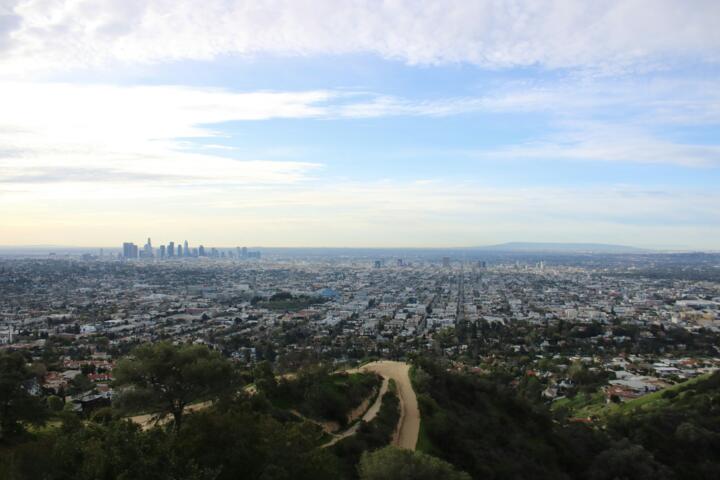
What Defines a Skyline?
A city skyline is its distinctive visual identity, often framed by the tallest buildings, landmarks, and natural contours like bays or mountain ranges. New York City's skyline from the Brooklyn Heights Promenade, with its 6,000-plus buildings and iconic architecture such as the Empire State Building, stands as a classic example. Measuring skyline quality moves beyond height: harmony, architectural diversity, lighting, and spatial composition all factor in.
For instance, Hong Kong’s 1,500 skyscrapers create a dense, glittering silhouette unmatched anywhere. These skylines can signal economic strength and urban vitality. End of story.
Common Misunderstandings
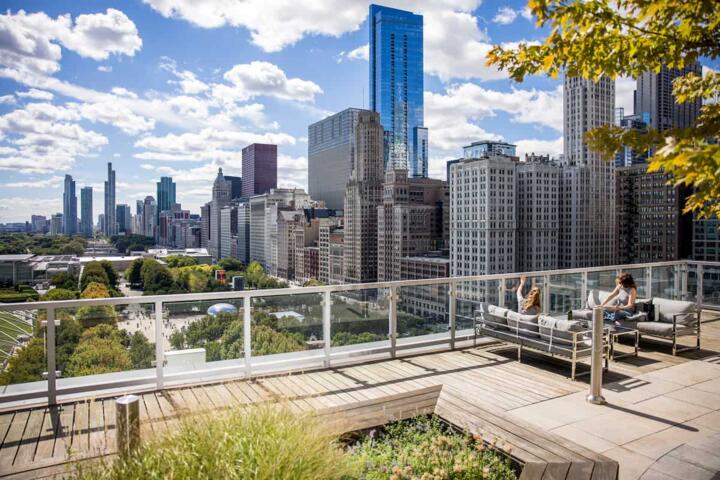
People often equate the best skyline with sheer number of skyscrapers or height alone. But quantity without design coherence often results in a chaotic or uninspiring view. Chicago, for example, balances height with historic structures and open waterfronts, while some rapidly developing cities show disorganized, incoherent skylines.
Another fallacy is overlooking natural features. Vancouver’s skyline blends urban density with forested mountains and ocean, creating depth and contrast. Without this harmony, skylines risk being flat and forgettable.
Poorly planned lighting can doom a skyline’s night character, which is half the story. Bad lighting or excessive clutter ruins the experience.
Optimizing Skyline Appeal
Diverse Architectural Styles
Mixing eras—from Art Deco to contemporary glass towers—introduces visual tension and interest. Toronto merges its heritage Victorian buildings with sleek modern towers like the CN Tower, achieving this blend effectively. Diversity prevents monotony, inviting exploration and photography.
Waterfront Integration
Water enhances intersections with skylines by reflecting lights and providing perspectives from different angles. Sydney’s harbor setting elevates landmarks such as the Opera House and Crown Sydney. Urban planners should prioritize water edges for pedestrian zones and parks to maximize vistas.
Lighting Design
Targeted, artistic lighting highlights building contours and creates layers at night. Cities using dynamic LED displays—like Dubai—offer evolving visual experiences. Thoughtful lighting not only beautifies but improves safety and tourism appeal.
Skyline Silhouettes
Identifiable outlines are memorable. For example, San Francisco’s Transamerica Pyramid, a sharp triangle, stands out distinctly. Planners and architects should consider how a building’s shape contributes to the overall profile rather than just height.
Green Spaces Amid Tall Buildings
Vegetation within urban cores softens harsh lines and adds life and color. Singapore’s Gardens by the Bay near the central district visually contrasts with surrounding towers, enhancing appeal. Green rooftops and vertical gardens should be prioritized.
Public Viewing Areas
Effective skyline appreciation depends on accessible viewpoints. Chicago’s Willis Tower Skydeck and Tokyo Tower observatory attract millions yearly. Cities need dedicated elevated parks or terraces offering panoramic vistas, not just for tourists but residents.
Cohesive Urban Planning
Strict zoning laws maintain skyline balance. Dubai’s cluster of skyscrapers contrasts sharply with adjacent low-rise neighborhoods, providing transition zones. This zoning reduces visual clutter while maintaining density.
Iconic Landmarks
Buildings with symbolic meaning enrich skylines, tying them to culture and history. Paris’s Eiffel Tower and Kuala Lumpur’s Petronas Towers create immediately recognizable forms, contributing to brand identity and economic advantages through tourism.
Nighttime Economy Support
Active night economies contribute lighting and energy that feed into skyline ambiance. Cities that close bars early or lack night activity miss opportunities to keep their skyline lively and engaging overnight.
Real-World Skyline Success
Hong Kong: Faced with steep terrain and limited land, their approach maximized density and lighting finesse. Using LED-light shows on 88 buildings during nightly Symphony of Lights events, they boosted tourism by 18% in 2023 over previous years.
Chicago: The city tackled rapid growth by enforcing height limits near Lake Michigan and preserving historic structures. In 2022, visitor engagement increased by 10% thanks to new skywalks connecting viewpoints and architectural tours emphasizing skyline history.
Skyline Quality Overview
| City | Skyscrapers >150m |
Iconic Landmarks |
Night Lighting |
|---|---|---|---|
| Hong Kong | 350+ | Victoria Peak | Symphony of Lights |
| New York | 280+ | Empire State | Dynamic LED Lights |
| Chicago | 130 | Willis Tower | Moderate |
| Dubai | 200+ | Burj Khalifa | LED Shows |
What Often Goes Wrong
Ignoring local context ruins skyline potential. Many cities import generic towers without considering climate or culture, leading to alien, sterile cityscapes. Unregulated building heights create visual chaos, overwhelming cityscapes without coherence.
The absence of public viewpoints leaves the skyline as a secret known only by a few, which stifles pride and tourism. Poor night lighting kills ambiance and safety at once — and almost no one notices until experiencing a livelier city.
Lastly, scrambling to demolish old buildings for new projects often erases character. Balance and patience matter.
FAQ
What makes a skyline iconic?
Iconic skylines combine distinctive tall buildings, landmark shapes, thoughtful lighting, and integration with natural features to create a visually unique silhouette.
Which city has the tallest skyline?
Hong Kong leads with over 350 buildings above 150 meters, complemented by high-density layout and the famous Victoria Peak.
How important is lighting for skylines?
Lighting transforms skylines at night, emphasizing details and maintaining vibrancy; it can increase tourism and local enjoyment significantly.
Can old architecture enhance modern skylines?
Yes, heritage buildings add texture, diversity, and history, preventing monotony in modern urban silhouettes.
How do waterfronts affect skylines?
Waterfronts offer reflections, contrast, and open views, adding depth and broadening lines of sight for more dramatic skylines.
Author's Insight
After visiting more than 30 global cities, I find that skylines tell stories that stats miss. The best ones offer a rhythm, a pulse—some charm that connects steel and stone to people. Urban planning, lighting, and public access shape this more than sheer height. When a skyline feels like a living canvas, you stop and linger.
Summary
Evaluating top skylines demands attention to architectural mix, setting, lighting, and human interaction. Good skylines balance natural elements with urban intensity, shaped by thoughtful regulations and public spaces. Seek places that invite viewing and storytelling through their silhouette—skip the tall-only mindset for something more memorable.