The Architecture of Global Mobility
Living as a location-independent professional is no longer about working from a hammock; it is a calculated logistical operation. The modern nomad seeks a "Productivity Sanctuary"—a city where the time zone aligns with clients, the internet latency is sub-20ms, and the community offers high-level peer networking. For instance, a software developer moving from San Francisco to Lisbon can reduce their burn rate by 45% while maintaining access to a world-class tech ecosystem through hubs like Second Home or LACS.
Practical experience shows that the "perfect" city is a myth. Success depends on your specific "Stack": your financial requirements, your social needs, and your hardware needs. In 2024, cities like Mexico City (CDMX) have seen a 200% increase in coworking memberships because they offer a blend of European-style walkability and North American time zones. The goal is to treat your location as a variable in your business model, optimizing for "Geographic Arbitrage" where you earn in a strong currency and spend in a weaker, yet developing, one.
Critical Errors in Remote Base Selection
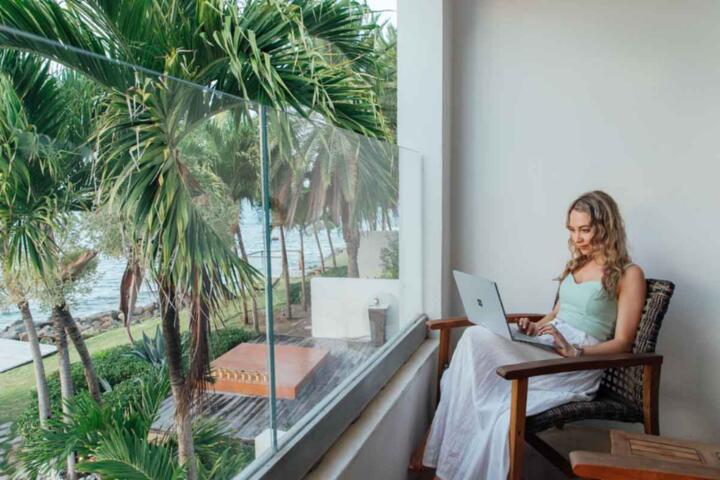
Most nomads fail because they prioritize aesthetics over infrastructure. Choosing a remote island in Indonesia might look great on social media, but frequent power outages and packet loss can jeopardize a $150k/year consulting contract. The "vacation mindset" is the primary enemy of the digital nomad; if your environment feels too much like a holiday, your output will inevitably drop, leading to financial instability and "nomad burnout."
Ignoring legal and tax residency is another catastrophic mistake. Many professionals assume a 90-day tourist visa is sufficient, ignoring that staying past 183 days in many jurisdictions triggers "Tax Residency," potentially leading to double taxation or legal complications. Real-world situations often involve professionals getting locked out of their banking apps because they didn't set up a reliable travel-friendly fintech solution like Revolut Business or Wise, leaving them stranded without local currency access during a weekend in Buenos Aires.
Strategic Hubs for Maximum Output
To build a sustainable remote career, you must select destinations that function as "Force Multipliers" for your work.
The European Tech Magnet: Lisbon, Portugal
Lisbon has evolved into the "San Francisco of Europe" thanks to the Startup Visa and the D8 Digital Nomad Visa. It offers a dense concentration of high-earning expats and founders. Networking isn't optional here; it happens daily at events like the Web Summit. Using services like Cushman & Wakefield to find long-term rentals or Flatio for monthly stays ensures you aren't stuck in overpriced, poorly insulated tourist apartments.
The Latin American Powerhouse: Mexico City, Mexico
For those working with US-based companies, the Central Time Zone alignment is unbeatable. Neighborhoods like Roma Norte and Condesa provide fiber-optic speeds of up to 1 Gbps through providers like Totalplay. The cost of a dedicated desk at WeWork or Publico is significantly lower than in New York, while the "co-living" scene via Outsite allows for immediate social integration with other high-performers.
The Asian Infrastructure King: Taipei, Taiwan
While many flock to Bali, Taipei offers superior stability. With the Taiwan Employment Gold Card, professionals get an open work permit and residence UI. Taiwan has some of the fastest public Wi-Fi in the world and a healthcare system ranked #1 by the Health Care Index. It’s the ideal spot for hardware engineers or deep-work specialists who need 100% reliability and zero distractions.
The Mediterranean Lifestyle Choice: Athens, Greece
Greece's recent 50% income tax break for digital nomads (for the first seven years) makes it a financial powerhouse. Athens provides a low cost of entry with a high quality of life. Using Blueground for premium furnished apartments allows you to bypass the complexities of local Greek leases. The city is becoming a hub for "slow travel" nomads who want to spend 6 months truly embedding themselves in a culture.
The Balkan Hidden Gem: Bansko, Bulgaria
Bansko is unique because it is a village, not a city, yet it hosts one of the world's most vibrant nomad communities. With a flat 10% income tax, it is the ultimate tax haven for European freelancers. The Coworking Bansko ecosystem provides a level of community support that larger cities lack, focusing on "work-hard, play-hard" dynamics with skiing in winter and hiking in summer.
The South American Comeback: Buenos Aires, Argentina
With the introduction of the "Digital Nomad Visa" and a favorable exchange rate for USD earners, Buenos Aires is a top-tier choice for creatives. The city’s "Palermo" district is packed with high-concept cafes and studios. Using Western Union or local crypto P2P markets (like Binance) to manage currency fluctuations is a necessary skill here, but the reward is a world-class lifestyle for a fraction of the cost in London or Paris.
Proven Implementation Strategies
When moving to a new hub, your first 48 hours dictate your productivity for the month. Do not rely on Airbnb Wi-Fi descriptions. Instead, use Speedtest.net logs requested from the host before booking. A professional setup requires a "Global Roaming" backup; services like Airalo or Holafly provide eSim data the moment you touch down, ensuring you never miss a Slack notification or a Zoom call due to local SIM registration delays.
Financial optimization is the second pillar. Transition your banking to "Borderless" accounts. Wise (formerly TransferWise) allows you to hold 40+ currencies and spend with a single card at the real exchange rate. If you are an American nomad, utilizing the Foreign Earned Income Exclusion (FEIE) can save you over $120,000 in taxable income annually, provided you spend 330 days outside the US. This "found money" can be reinvested into your business or a diversified portfolio via Interactive Brokers.
Community integration should be systematized. Joining "Nomad List" or local Slack/Discord channels for your specific city is better than browsing Facebook groups. In cities like Medellin, the "Medellin Entrepreneurs" WhatsApp groups are where the real deals and high-quality apartment leads are shared. This "Insider Access" reduces the "Gringo Tax"—the inflated prices locals often charge unsuspecting foreigners.
Comparative Performance Metrics
The following table compares the top-tier nomad hubs based on key operational data for a solo professional earning $5,000 USD per month.
| City | Avg. Monthly Cost | Internet (Avg. Mbps) | Time Zone (vs. UTC) | Primary "Pro" |
|---|---|---|---|---|
| Lisbon | $2,800 | 150+ | +0 | Access to EU VC & Tech |
| Mexico City | $2,200 | 200+ | -6 | US Time Zone Alignment |
| Taipei | $2,400 | 300+ | +8 | Safety & Infrastructure |
| Bansko | $1,200 | 100+ | +2 | Lowest Tax (10% Flat) |
| Buenos Aires | $1,500 | 80+ | -3 | Cultural Richness & Value |
Mitigating Frequent Failures
One of the most overlooked risks is "Digital Isolation." Working from a beautiful apartment in Croatia sounds perfect until you realize you haven't had a professional conversation in three weeks. To avoid this, commit to a coworking space membership even if your apartment has great Wi-Fi. The "water cooler" effect is vital for psychological health and serendipitous business opportunities.
Another mistake is neglecting physical security and "Cyber Hygiene." Using a high-quality VPN like NordVPN or ExpressVPN is non-negotiable when using public or shared coworking Wi-Fi. Additionally, ensure your hardware is insured globally through a provider like SafetyWing (Nomad Insurance), which covers both health and specialized gear. Losing a MacBook Pro in a foreign country without insurance can set a freelance business back by months.
FAQ
How do I handle healthcare while moving between countries?
Traditional travel insurance is for emergencies only. For digital nomads, "International Health Insurance" from providers like SafetyWing, Remote Health, or Cigna Global is better. These plans cover routine checkups and chronic conditions across multiple borders.
What is the best way to find reliable long-term housing?
Avoid Airbnb for stays longer than 30 days due to high service fees. Use local platforms like Idealista (Spain/Portugal), Zonaprop (Argentina), or Inmuebles24 (Mexico). Always hire a local "fixer" or use a relocation service to review contracts in the local language.
Do I need a specific Digital Nomad Visa?
While many work on tourist visas, it is increasingly risky. Countries like Spain, South Korea, and Japan have launched specific "Nomad Visas." These provide legal peace of mind, the right to open local bank accounts, and sometimes even path to permanent residency.
How do I manage my mail and physical documents?
Use a "Virtual Mailbox" service like Anytime Mailbox or PostScan Mail. They receive your physical mail, scan it, and allow you to manage it via an app. This is essential for handling government notices or bank cards.
Which city has the best balance of cost and safety?
Taipei and Lisbon consistently rank highest for this balance. While Southeast Asian cities are cheaper, they often lack the legal transparency and public safety standards found in these two hubs.
Author's Insight
I have spent the last seven years operating a six-figure consulting business while moving across four continents. The biggest lesson I’ve learned is that "freedom" is a byproduct of discipline, not the absence of it. My most productive months were never in Bali; they were in Taipei and Warsaw, where the infrastructure is invisible because it works perfectly. My advice: choose your "home base" based on the quality of its libraries and coworking spaces, not its beaches. If your internet fails, your freedom disappears instantly.
Conclusion
Transitioning to a location-independent lifestyle requires moving beyond the "traveler" mindset and adopting the "global operator" framework. Success is found in cities like Lisbon, Mexico City, and Taipei, where infrastructure supports high-level output. By leveraging tools like Wise for finance, SafetyWing for health, and local coworking communities for networking, you turn the world into your headquarters. Focus on geographic arbitrage to maximize your savings, but never compromise on the reliability of your professional environment. Take the leap, but bring your professional standards with you.