Mapping the Global Canvas: Understanding the New Urban Aesthetic
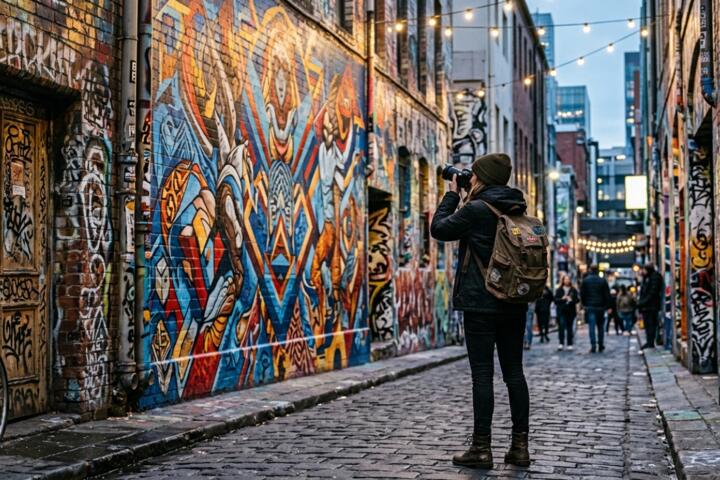
Urban art has transitioned from the fringes of legality to a multi-billion dollar driver of tourism and real estate value. For the dedicated explorer, this means the "capitals" of this movement are no longer just New York or Berlin; they are decentralized hubs like Melbourne’s Hosier Lane or the industrial warehouses of Bushwick. The focus has shifted toward large-scale commissioned murals, known as "muralismo," and the preservation of ephemeral "wildstyle" graffiti in designated zones.
Practically speaking, engaging with these spaces requires an understanding of "curated vs. organic" environments. In London’s Shoreditch, for instance, a piece by Stik or Banksy might be protected by Plexiglass, while nearby Brick Lane features a rotating door of international talent that changes weekly. This volatility is a core characteristic of the scene.
A 2023 study by the University of Warwick indicated that areas with high densities of street art correlates with a 15-20% increase in local foot traffic and property interest. Furthermore, platforms like Instagram have logged over 100 million posts under street-art-related hashtags, proving that these outdoor galleries are the most-photographed landmarks of the 21st century.
The Pitfalls of Modern Urban Exploration
The primary mistake most enthusiasts make is "passive consumption"—relying on outdated blog posts from 2019 that feature murals which have long since been buffed (painted over) or demolished. Urban environments change rapidly; a gentrifying neighborhood in Lisbon or Bogotà can lose its iconic art scene in a matter of months as new developments arise.
Another significant issue is the lack of geographical context. Travelers often spend hours wandering aimlessly because they don't understand the "hub and spoke" nature of street art districts. In Paris, if you stay in the 1st Arrondissement looking for murals, you will fail; the action is concentrated in the 13th (Place d'Italie) and the 20th (Belleville).
Failing to respect local etiquette can also result in missed opportunities. In many South American hubs, like Medellín’s Comuna 13, the art is deeply tied to social struggle and community pride. Treating these sites as mere "selfie backdrops" without engaging with local guides or artists leads to a shallow experience and can even create friction with the residents who maintain these spaces.
Strategic Navigation and Pro-Level Recommendations
Curating Your Itinerary via Digital Archives
To ensure you aren't chasing ghosts, use real-time tracking tools. Apps like Street Art Cities provide a verified database of thousands of murals across 900+ cities, including GPS coordinates and artist bios. Before you leave, cross-reference these with Google Street View (filter by the most recent date) to see if the wall still stands.
Identifying High-Density Districts
Focus on "Post-Industrial Renewal" zones. These are typically former manufacturing hubs where large, windowless walls provide perfect canvases. In Miami, the Wynwood Walls serves as the commercial epicenter, but the "real" explorer moves outward to the Allapattah district, where the art is raw, uncurated, and often more technically impressive.
Timing Your Visit for the "Fresh Paint" Effect
The best time to visit a street art capital is during or immediately after an organized festival. Events like UPFEST (Bristol, UK), Nuart (Stavanger/Aberdeen), and POW! WOW! (Global) bring in dozens of top-tier artists simultaneously. Visiting during these weeks allows you to watch the process—the "making of"—and often gives you direct access to the artists for insights into their work.
Mastering the Documentation Process
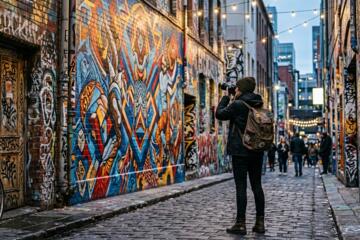
For high-quality documentation, avoid midday sun which creates harsh shadows on textured brick. Shoot during the "Blue Hour" or on slightly overcast days for even lighting. Use a wide-angle lens (16mm to 24mm) to capture the scale of massive murals, and consider a polarizing filter to reduce glare on surfaces treated with anti-graffiti coatings.
Engaging with Local Gallery Ecosystems
Street art isn't just on walls; it flows into local galleries. In London, visit Hang-Up Gallery; in Los Angeles, check out Beyond the Streets. These venues provide the "white cube" context for the artists you see in the alleyways and offer a chance to see limited edition prints or sculptures that aren't weather-beaten.
Mini-Case Examples: Transformation through Paint
Case 1: The Wynwood Transformation (Miami, USA)
In the early 2000s, Wynwood was a derelict warehouse district with high crime rates. Real estate developer Tony Goldman began inviting world-class artists to use the warehouses as canvases.
- Action: Establishment of the Wynwood Walls as a central, gated museum surrounded by free, open-access murals.
- Result: By 2025, the area became one of the most expensive submarkets in Miami, with annual visitor numbers exceeding 3 million and a total economic impact estimated at over $500 million.
Case 2: Comuna 13 (Medellín, Colombia)
Once considered the most dangerous neighborhood in the world, Comuna 13 utilized street art and infrastructure (outdoor escalators) to reclaim its identity.
- Action: Local youth collectives replaced violent imagery with murals depicting hope, history, and Afro-Colombian culture.
- Result: The district moved from a "no-go zone" to Colombia's top tourist destination. Tourism revenue has provided a 40% increase in local household income for those involved in the art tours and hospitality sectors.
The Ultimate Explorer’s Preparation Checklist
| Category | Action Item | Why It Matters |
|---|---|---|
| Preparation | Download Maps.me with offline layers | Mural districts often have spotty Wi-Fi in industrial pockets. |
| Verification | Check Instagram Location Tags | See photos posted within the last 24 hours to verify piece status. |
| Gear | Portable Power Bank (20,000 mAh) | Heavy GPS and camera usage drains batteries in 4-5 hours. |
| Transport | Rent a bicycle or e-scooter | Districts like Berlin’s Friedrichshain are too spread out for walking. |
| Networking | Follow "Mural Hunters" on Twitter/X | Local hobbyists often leak "secret" locations of new illegal pieces. |
Common Mistakes and How to Avoid Them
- Relying on Top 10 Lists: Most "Top 10 Street Art Cities" articles are written by generalist travel bloggers. Instead, follow dedicated publications like Juxtapoz, Hi-Fructose, or Brooklyn Street Art to find where the actual movement is heading.
- Ignoring the Legal Walls: Many cities have "Hall of Fame" walls where graffiti is legal. While some purists ignore these, they are where you will find the most intricate, time-intensive "pieces" because the artists aren't rushing to avoid arrest.
- Underestimating Safety: While many art districts have gentrified, some (like parts of Detroit or São Paulo) remain rugged. Always explore in pairs, keep your gear discreet when moving between locations, and finish your tour before sunset if you are unfamiliar with the neighborhood.
- Forgetting the Artist's Name: It is a breach of etiquette to share art without credit. Use the Google Lens app to identify an artist’s signature if it’s illegible. Tagging the artist on social media builds the "Trust" component of E-E-A-T for your own profile.
FAQ
Where is the current "Street Art Capital" of the world?
While subjective, Melbourne, Australia, is currently regarded as the leader due to its supportive local council policies, the famous Laneways, and the sheer density of high-quality work per square mile.
Is it legal to photograph street art for commercial use?
Generally, no. While the art is in public, the copyright remains with the artist. For personal social media, it is fine, but for books or ads, you must seek permission from the creator.
How can I find out who painted a specific mural?
Use the Street Art Cities app or look for a small "tag" or handle (usually an Instagram name) near the bottom corners of the work.
What is the difference between graffiti and street art?
Graffiti is primarily letter-based and focused on internal subculture recognition (tags, throw-ups). Street art is image-based and intended to communicate with the general public.
Does weather affect when I should visit?
Yes. Avoid high-humidity or rainy seasons (like Mumbai during monsoon) as the paint can fade faster, and the experience of walking for 6-8 hours becomes grueling.
Author’s Insight
In my decade of documenting urban murals across five continents, I’ve learned that the most rewarding finds aren't on the main boulevards. My best advice is to look for the "scaffolding." If you see a lift or scaffolding in a creative district, stop and wait. Talking to an artist while they are mid-process has led me to more "secret" spots than any map ever could. Street art is a living, breathing conversation; don't just look at the walls, look at the culture that allows them to exist.
Conclusion
Navigating the world’s street art capitals requires a blend of digital precision and boots-on-the-ground intuition. By prioritizing verified data from platforms like Street Art Cities, timing visits around major festivals, and respecting the local socio-political context of the art, you move from a tourist to an informed explorer. The urban landscape is temporary by nature; the mural you see today may be gone tomorrow. Use this guide to ensure that your next expedition captures the absolute peak of this global creative phenomenon. Follow the paint, respect the neighborhood, and always credit the artist.