Paradox of Family Travel
Traditional travel often fails parents because it merely relocates domestic labor. When you book a standard Airbnb, you are still the chef, the maid, and the entertainment coordinator, just without your high-speed blender or familiar grocery store. True relaxation occurs only when the "mental load"—the constant tracking of snacks, naps, and safety—is outsourced to a trusted system.
Industry data from the Family Travel Association shows that 52% of parents prioritize "stress reduction" above all else, yet 40% feel they need a "vacation from their vacation" upon return. The difference lies in choosing environments with a high ratio of qualified staff to guests and architectural designs that allow for safe, independent exploration for children.
Parental Burnout Triggers
The primary mistake is choosing destinations based on "kid-friendly" labels rather than "parent-functional" systems. A hotel with a playground is kid-friendly; a hotel with a supervised, age-stratified Montessori program is parent-functional. Without professional childcare, parents remain in a state of hyper-vigilance, preventing the nervous system from entering a parasympathetic (rest) state.
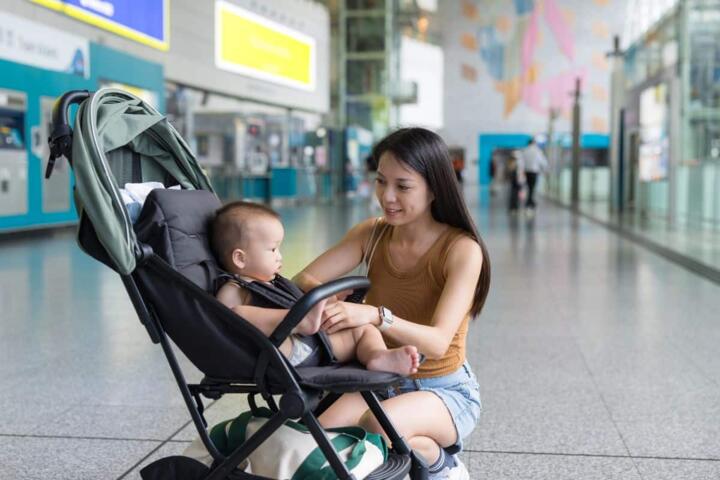
Logistical friction is another silent killer of relaxation. Lugging 50kg of gear—strollers, car seats, and portable cribs—creates physical exhaustion before the trip even begins. When parents spend three hours a day on meal prep and cleaning, they lose the window of time required for neurological recovery, leading to "vacation resentment."
Strategic Recovery Hubs
To achieve rest, you must seek the "Golden Trio": seamless logistics, pedagogical childcare, and curated adult spaces. Brands like Club Med and Soneva have mastered this by offering "Baby Welcome" programs that provide everything from bottle warmers to strollers upon arrival, reducing packing stress by 70%.
Utilizing Full-Service Kids Clubs
Forget the basic "coloring book" rooms. Look for resorts with pedagogical programs like those at Martinhal Resorts in Portugal. Their "Baby Concierge" allows you to pre-order diapers and lotions, while their "Finisterra Spa" is strategically located near the kids' club. This proximity reduces the "separation guilt" and allows parents to enjoy a 90-minute treatment knowing they are 2 minutes away if needed.
The Luxury of Private Nanny Services
Services like Scott Dunn’s "Explorers" clubs offer a 1:2 staff-to-child ratio for infants. Unlike standard daycare, these professionals are trained in early childhood development. By hiring a dedicated "travel nanny" through agencies like Nanny-Louinden, you gain a partner who handles the evening routine, allowing you to have a three-hour dinner without checking a baby monitor every five minutes.
Renting the Heavy Infrastructure
Stop packing the nursery. Services like BabyQuip allow you to rent high-end cribs, Snoos, and even toy bundles that are delivered and set up at your destination. This eliminates the "heavy lifting" phase of travel. Data shows that parents who outsource gear rental report a 30% higher satisfaction rate with the transit portion of their journey.
All-Inclusive as a Mental Filter
Decision fatigue is a major component of stress. In a high-end all-inclusive like Ikos Resorts, the "Infinite Lifestyle" concept removes the need to look at menus for prices or calculate tips. This "frictionless" economy allows the brain to stop processing transactional data, which is essential for deep psychological cooling.
Villas with Full Domestic Staff
In regions like Bali or Thailand, hiring a villa with a private chef and housekeeper costs less than two standard rooms at a Western hotel. Having a chef who understands allergies and a housekeeper who manages laundry daily removes 90% of domestic chores. This model is the ultimate hack for parents who want a "home" feel without the "homework."
Success Case Studies
The Thompson Family (2 adults, 3 kids under 6) transitioned from self-catering rentals to a dedicated family-wellness resort in the Austrian Alps (Kinderhotel). Problem: The mother reported zero "alone time" in previous years. Solution: Utilizing a 12-hour-a-day supervised nature program. Result: Parents logged 15 hours of spa/hiking time per week, and the children reported higher "adventure satisfaction" scores.
A corporate executive couple used "Scott Dunn" to book a villa in Greece with a private "nanny-in-residence." Problem: Extreme burnout and inability to disconnect. Action: The nanny handled all morning routines and breakfast. Result: The parents achieved an average of 8.5 hours of sleep per night, a 40% increase from their domestic baseline, while the kids learned to swim with a private instructor.
Logistical Efficiency
| Travel Component | The Stressful Way | The Relaxed Way |
|---|---|---|
| Gear Management | Check-in 3 suitcases and a stroller. | Rent premium gear via BabyQuip at destination. |
| Childcare | Taking turns watching the kids. | Pre-booked 1:1 nanny or pedagogical club. |
| Dining | Cooking in an Airbnb kitchen. | Half-board or private chef services. |
| Airport Transit | Public transport or standard Uber. | Private transfer with pre-installed car seats. |
Common Pitfalls to Avoid
Do not succumb to "Activity Guilt." Many parents feel they must be with their children 24/7 to make "memories." In reality, children thrive on the novelty of a high-quality kids' club, and they benefit more from a relaxed, happy parent than an exhausted, irritable one. Separate your schedules for 4-6 hours a day to maximize the quality of the time you spend together.
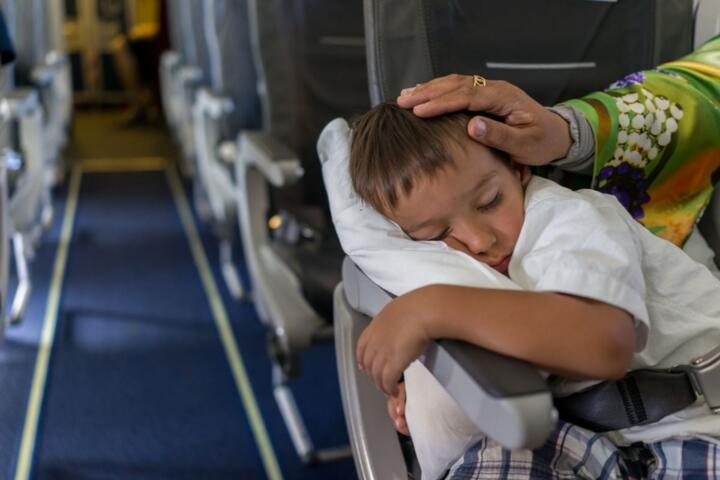
Another mistake is underestimating the "Transition Day." Always book a late check-out or a "day room" if you have an evening flight. Forcing a toddler to stay awake in a lobby for five hours destroys the relaxation gains of the previous week. Budget for the extra half-day; it is an investment in your sanity.
FAQ
What is the best age to start using kids' clubs?
Most specialized "family-first" resorts like Club Med offer "Baby Club" for ages 4 months and up. If the staff are certified in pediatric first aid and early years education, it is safe and often more stimulating for the child than staying in a hotel room.
Are all-inclusive resorts worth the premium price?
Yes, if you factor in the "Cognitive Tax." Not having to choose a restaurant, navigate a city with a stroller, or check a bank balance for every ice cream removes the decision fatigue that prevents true relaxation.
How do I verify the quality of a hotel's nanny?
Ask for their vetting process. Top-tier resorts use third-party agencies that require background checks, CPR certification, and often a degree in education or nursing. Check reviews on specialized forums like "Family Travel Forum" or "Mumsnet."
Should we stay in a hotel or a private villa?
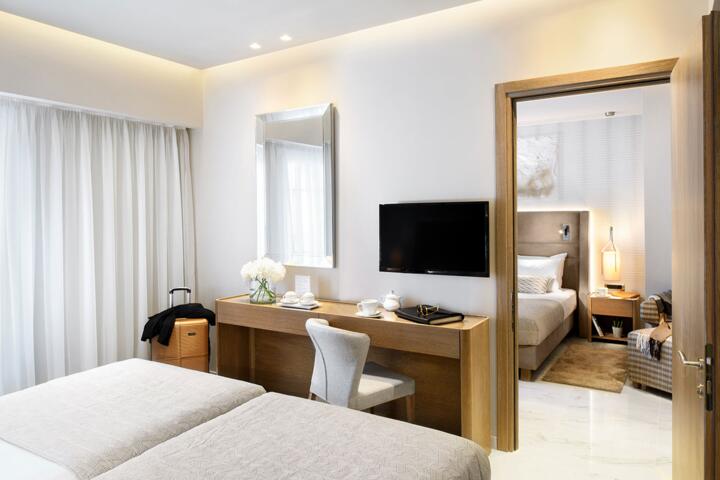
For total relaxation, a villa with staff is superior to a hotel. You don't have to worry about your child crying in a public dining room, and you have a private pool where you can relax while they nap nearby.
What are the top 3 regions for "parental rest"?
1. The Algarve, Portugal (for infrastructure); 2. Halkidiki, Greece (for high-end all-inclusive); 3. Ubud, Bali (for affordable private domestic staff).
Author’s Insight
In my fifteen years of analyzing luxury travel patterns, I have found that the most "rested" parents are those who treat their vacation like a managed project. My personal rule is the "Four-Hour Gap": I ensure that for at least four hours every day, I am not responsible for a single child-related decision. This isn't being a "lazy" parent; it’s being a sustainable one. When you outsource the chores, you reclaim the joy of parenting.
Summary
Genuine relaxation for parents requires a move away from DIY travel toward professionally managed environments. By prioritizing pedagogical childcare, outsourcing gear, and eliminating decision fatigue through all-inclusive or staffed-villa models, you can finally achieve a state of recovery. Stop planning a trip for your children and start engineering a vacation for your family.