Navigating the Intersection of Adventure and Security
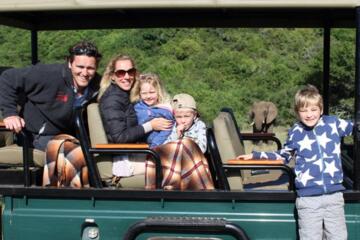
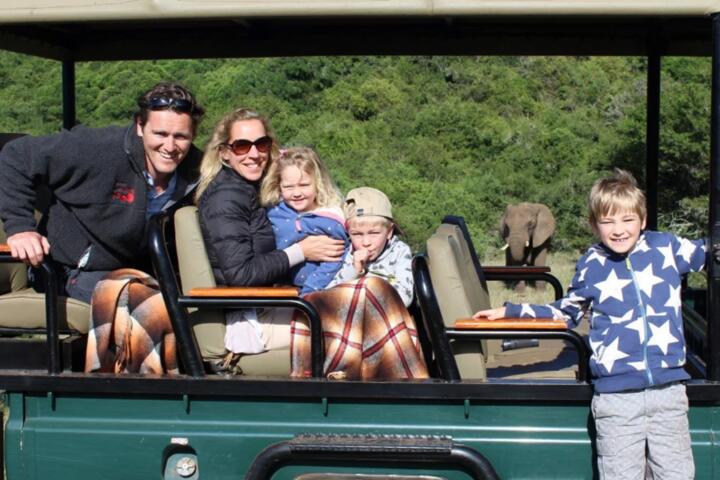
Planning a family expedition to the African bush is a departure from standard resort vacations. It requires a fundamental shift in how we perceive "luxury." Here, luxury isn't just a high thread count; it’s the expertise of a guide who can track a leopard while keeping a seven-year-old engaged and safe. The goal is to create a controlled environment within an uncontrolled landscape.
Practical examples of this include choosing "closed" vehicles (with roofs and windows) for younger children in high-predator areas like the Ngorongoro Crater, versus open-sided 4x4s in private concessions where off-roading is permitted. Statistics from the African Travel & Tourism Association (ATTA) suggest that family-oriented safari bookings have increased by 25% since 2022, yet nearly 40% of first-time travelers underestimate the distances between camps.
For instance, a flight from Nairobi to the Masai Mara takes roughly 45 minutes, whereas a drive can exceed six hours on bumpy roads. For a family with toddlers, that five-hour difference is the margin between a joyful arrival and a total meltdown. Understanding these nuances is the first step toward a successful journey.
Critical Errors in Multi-Generational Safari Planning
The most significant mistake families make is "itinerary packing." Attempting to see the Big Five across three different countries in ten days results in "safari fatigue." Children, in particular, do not thrive on five-hour morning game drives followed by immediate check-outs and airport transfers. This leads to burnout where the wonder of seeing a lion is overshadowed by exhaustion and heat.
Another pain point is ignoring the "age-specific" rules of lodges. Many premier camps in the Okavango Delta, for example, have a minimum age requirement of 12 due to the proximity of water and lack of fencing. Failing to check these details can lead to awkward re-routings or restricted activities upon arrival.
Safety oversights often involve medical preparedness. Families frequently neglect to consult a specialized travel clinic (like the CDC’s Travelers' Health resource) at least eight weeks in advance. Relying on generic advice rather than region-specific medical intelligence can lead to unnecessary risks regarding malaria prophylaxis or yellow fever requirements.
Strategic Solutions for a Seamless Expedition
Prioritizing Private Conservancies Over National Parks
National parks like the Serengeti or Kruger are iconic, but they can be crowded. For families, private conservancies (like those in the Ol Pejeta or Mara North) offer a superior experience. Conservancies allow for "off-roading" and night drives, which are often prohibited in parks. This means you can get closer to the action without being surrounded by fifty other vehicles.
The Role of the Specialist Family Guide
A standard guide knows animals; a family specialist knows how to teach. Look for lodges that offer programs like the "Junior Rangers" at &Beyond or Singita. These guides involve children in "micro-safaris," tracking dung beetles, identifying bird calls, or learning traditional bushcraft. This keeps the children occupied while parents enjoy a sundowner.
Malaria-Free Options for Younger Children
If traveling with infants or pregnant family members, the Madikwe Game Reserve or the Eastern Cape in South Africa are gold standards. These are 100% malaria-free zones, eliminating the need for prophylactic medication. This decision alone removes a significant layer of medical stress for parents of young children.
Logistic Optimization via Private Charters
While expensive, booking private bush flights (using services like Safarilink or Federal Airlines) allows you to dictate the schedule. This avoids long waits in hot, dusty bush strips. If your budget allows, a private charter can turn a grueling travel day into a scenic 30-minute hop, preserving the energy of the group for the actual safari.
Selecting Fenced vs. Unfenced Camps
For families with children under eight, a fenced camp provides peace of mind. While the "unfenced" experience is more authentic, it requires constant 1:1 supervision. Camps like Jaci’s Lodges in Madikwe offer fenced perimeters specifically designed so parents can relax on the deck while kids play safely nearby, without the risk of a wandering hyena or elephant entering the camp site.
Timing the Great Migration
If your goal is to see the wildebeest crossing, timing is surgical. Using tools like the HerdTracker app helps you place your family in the right region (Grumeti vs. Mara River) at the right time. Being even 50 miles off can mean the difference between seeing a million animals or an empty plain.
Real-World Success Stories
Case Study 1: The Multi-Generational Birthday
The Thompson family (12 members, ages 6 to 75) wanted to celebrate a 70th birthday. Their original plan was a self-drive in Kruger. We redirected them to a sole-use villa at Royal Malewane.
- The Problem: Coordinating different energy levels and dietary needs.
- The Solution: A private chef and two dedicated vehicles allowed the "active" group to stay out late while the "younger/older" group returned for naps.
- The Result: 100% satisfaction rating, Big Five sightings within 48 hours, and zero logistical friction.
Case Study 2: Overcoming Medical Anxiety
The Miller family was hesitant about Kenya due to malaria concerns and their four-year-old’s allergies.
- The Problem: Balancing high-adventure desire with high-medical-need reality.
- The Solution: We utilized Flying Doctors (AMREF) insurance memberships and stayed at House of Waine (near top-tier Nairobi hospitals) before flying to a high-altitude, low-risk camp.
- The Result: The family felt secure knowing they had aero-medical evacuation coverage and immediate access to western-standard care.
Comprehensive Family Safari Checklist
| Category | Requirement | Why It Matters |
|---|---|---|
| Documentation | Unabridged Birth Certificates | Mandatory for entry into South Africa/Botswana with minors. |
| Medical | AMREF Flying Doctors Membership | Provides emergency air evacuation from remote bush strips. |
| Gear | Polarized Sunglasses | Reduces glare on water and helps kids spot crocodiles/hippo. |
| Clothing | Neutral Layers (not white/black) | White gets dusty; black/blue attracts Tsetse flies. |
| Apps | Roberts Bird Guide / SASOL | Interactive identification tools keep kids engaged in the vehicle. |
| Financials | Crisp US Dollars (post-2021) | Many African nations will not accept older or torn currency. |
Frequent Pitfalls and How to Sidestep Them
Don't pack heavy. Bush planes have strict 15kg (33lb) limits in soft-sided bags. If you show up with a hard-shell suitcase, it simply won't fit in the luggage pod. Most luxury lodges offer same-day laundry services, so three sets of clothes are usually sufficient.
Avoid "The Big Five Obsession." If you only look for lions and rhinos, you miss the incredible birdlife, the dung beetles, and the flora. Encourage your children to keep a "Bush Journal." This shifts the focus from "collecting" sightings to "understanding" the ecosystem.
Never ignore the safety briefing. Even in the most luxurious camps, you are in a wild environment. Rules like "no walking alone at night" or "keep your tent zipped" are not suggestions; they are vital protocols. In 2023, several incidents involving "curious" wildlife were recorded simply because guests left snacks in their tents, attracting baboons or honey badgers.
FAQ
What is the ideal age for a child's first safari?
While many lodges accept all ages, the "sweet spot" is 8 years and older. At this age, children have the patience for 3-4 hour drives and can appreciate the educational aspects. For younger kids, stick to malaria-free, fenced camps with specialized "kids' clubs."
How do we handle the heat and insects?
Plan your travel for the "dry season" (June to October). The weather is cooler, and mosquito activity is significantly lower. Use DEET-based repellents and wear long-sleeved Permethrin-treated clothing during dawn and dusk.
Are vaccinations mandatory?
Yellow Fever is often mandatory if you are transiting through certain countries (like Ethiopia or Kenya) before entering others (like South Africa). Always check the latest IATA requirements and consult a travel clinic.
Can we find "familiar" food for picky eaters?
Yes. Most high-end lodges (like Soneva or Elewana) employ world-class chefs who are accustomed to "hidden veggies" or simple pastas for kids. Always communicate allergies at least 30 days before arrival.
Is it safe to bring a camera for the kids?
Absolutely. Giving a child a rugged, waterproof camera like a GoPro or a Nikon Coolpix W150 gives them a "mission." It keeps them focused on the landscape rather than their tablets.
Author’s Insight
In my fifteen years of navigating the African continent, I’ve found that the most successful family trips aren't the ones that see the most animals—they are the ones that embrace the "slow safari" philosophy. I once watched a family spend two hours watching a single dung beetle instead of rushing to a lion sighting three miles away. That stillness is where the real magic happens. My top piece of advice: invest in the best private guide you can afford. The guide is the interface between your family and the wild; a great one is worth more than a five-star suite.
Conclusion
Planning a family safari requires a delicate balance of rigorous logistical preparation and the flexibility to embrace the unexpected. By selecting the right region, such as a malaria-free reserve in South Africa or a private conservancy in Kenya, and prioritizing specialized guiding, you mitigate risk while maximizing wonder. Remember to focus on the quality of engagement rather than the quantity of sightings. Start your preparations at least 12 months in advance to secure the best family suites and private vehicles. With the right strategy, a safari is not just a holiday; it is a life-changing educational odyssey that will resonate with your family for generations.