Meal Planning For Families
Meal planning on a family trip means deciding what you will eat, where you will get it, and how you will store and prepare it under travel constraints. A workable plan covers breakfast, at least one “anchor” dinner, and snacks that prevent hunger spirals. For example, a rental with a fridge and microwave supports simple breakfasts and reheated dinners, while a hotel room with no kitchenette changes the plan toward grab-and-go meals and restaurant timing.
Start by matching meals to your logistics. If you drive, you can plan for a cooler, quick stops, and roadside meals. If you fly, you plan around airport food options, carry-on limits, and the likelihood of delays. If you stay in a campground, you plan around cooking fuel, water access, and food storage rules. The same family can use different meal structures on different legs of the trip, and that flexibility matters more than finding a single perfect menu.
Portion planning reduces waste and arguments. Use your children’s usual hunger patterns rather than “vacation appetite,” which often swings with sleep and activity. Many parents find that planning for 2 snacks per child per day plus a predictable breakfast prevents the “we’re starving” moment that derails the rest of the schedule.
Common Planning Mistakes
Families often underestimate how quickly travel disrupts routines. Breakfast timing shifts, kids snack more while waiting, and dinner arrives later than planned. When the plan assumes normal meal spacing, hunger leads to extra purchases and less control over ingredients.
Another frequent mistake is ignoring food safety and storage. Perishable foods need temperature control, and “we’ll eat it soon” can fail when a museum visit runs long. In practice, you need a plan for cold storage, reheating, and disposal, not just a list of foods.
Meal planning also breaks when it depends on a single source. Relying on one restaurant near your lodging can fail if it closes early, runs out of a menu item, or has a long wait. Supporting technologies and services matter here: grocery delivery apps, store pickup, and navigation tools help you find options, but they still depend on real opening hours and inventory.
Allergy management adds another layer. Cross-contact risks vary by restaurant and by how food is handled in a shared kitchen. If a child has a medically diagnosed allergy, you need a plan that includes ingredient checking, clear communication, and backup meals that do not require last-minute improvisation.
Practical Meal Planning Steps
Build A Trip-Friendly Menu
Choose a small set of repeatable meals that match your cooking access. For a rental with a fridge, plan breakfasts like yogurt with fruit, overnight oats, or eggs you can scramble. For a room without a kitchenette, plan breakfasts that travel well: cereal cups, shelf-stable oatmeal packets, or bakery items you can pair with fruit.
Use a “2-1-1” structure to reduce decision fatigue: two breakfasts you can repeat, one dinner you can cook or reheat, and one flexible dinner you can eat out. This structure keeps the plan realistic while leaving room for weather, crowds, and kid moods. On a road trip, you can rotate lunch formats such as sandwiches, wraps, or pre-portioned salads with a protein add-on.
For numbers, start with typical portion sizes and adjust for activity. A common approach is to pack snacks that cover about half a meal between main meals, then top up with fruit or a small sandwich if the day runs long. If your child usually eats a full sandwich at home, plan for one sandwich equivalent per lunch, not “half a sandwich plus vibes.”
Pack With Storage In Mind
Cold storage drives what you can pack. Use an insulated cooler with ice packs and keep it closed; aim to minimize time outside safe temperatures. The U.S. Food and Drug Administration advises keeping cold foods at 40°F (4°C) or below and hot foods at 140°F (60°C) or above. In practice, you can follow this by using a thermometer for the cooler and by limiting how often you open it.
For reheating, plan for microwave access when possible. If you rely on stovetop cooking, pack basic tools like a small pan, a spatula, and a knife you can sanitize. A side observation from many families: the “one missing item” problem usually happens with a can opener or a small cutting board, so pack those early rather than hunting for them at the destination.
For flights, check airline and airport rules for food carriage. Many airports allow solid foods, but liquids and gels are restricted under carry-on screening rules. If you plan to bring yogurt or soup, freeze it solid the night before and keep it in an insulated bag; it often stays cold longer, though it may not stay frozen the entire journey.
Use Grocery Stops Strategically
Plan grocery stops around your schedule rather than around “whenever we feel like it.” For road trips, identify one full-service grocery store near your first lodging and one backup store near a major route. If you use store pickup, confirm the pickup window and whether substitutions are allowed; substitutions can break allergy plans.
For rentals, check what’s already in the kitchen before buying. Some properties include basic items like salt, oil, and dish soap, and others do not. If you arrive late, a pre-planned “arrival meal” reduces stress: sandwiches, fruit, and a ready-to-eat dinner you can reheat.
When using delivery apps, remember that availability changes by time of day. A tool like Google Maps can show store hours, but it does not guarantee inventory. If you have a child with an allergy, treat delivery substitutions as a risk and plan backup foods that match the safe ingredient list.
Handle Allergies And Safety
Start with a written ingredient list for each “safe” food category. For example, if a child avoids certain allergens, list brands or ingredient patterns that you have verified. When dining out, ask about ingredients and cross-contact practices, and request that staff use separate utensils when possible. Many restaurants can accommodate, but policies vary by location and by kitchen setup.
Pack a backup meal that does not require cooking or complex assembly. A practical option is shelf-stable items plus safe snacks: sealed crackers, nut-free spreads if relevant, and fruit pouches. Keep these separate from shared snacks so kids do not mix foods during travel.
For food safety, follow basic rules: wash hands before handling food, keep raw and ready-to-eat foods separated, and refrigerate perishable items promptly. If you use a cooler, label it “cold” and keep it stocked so you do not keep opening it to search for items you forgot.
Case Examples For Real Trips
Road Trip With A Cooler
A family of four drives for two days and stays in a rental with a fridge. They plan two breakfasts they can repeat: overnight oats made at the rental and yogurt with fruit. For dinner, they cook one meal at the rental using pre-chopped vegetables and rotisserie chicken, then eat out for the second dinner. They pack a cooler with ice packs, pre-portioned sandwiches, and cut fruit, and they keep a small thermometer in the cooler. When a museum visit runs long, they still have cold snacks ready and avoid buying last-minute convenience food.
Family Flight With Delays
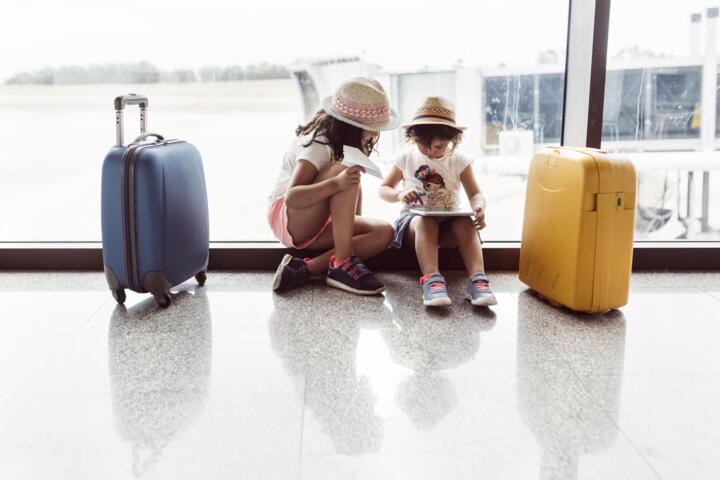
A family flies with two children and stays in a hotel without a kitchenette. They pack breakfast items that do not require refrigeration, such as cereal cups and shelf-stable oatmeal packets, plus fruit. For lunch, they plan airport-friendly meals: sandwiches and yogurt that can be eaten quickly. They also pack a “delay kit” with snacks and water, because boarding delays can stretch meal timing. At the destination, they buy groceries the first evening using store pickup so they can have predictable dinners the next day.
Checklist And Tradeoffs
| Decision Point | If You Have A Fridge | If You Don’t | Best Backup |
|---|---|---|---|
| Breakfast | Yogurt, eggs, overnight oats | Shelf-stable cereal, oatmeal packets | Fruit pouches + sealed snack bars |
| Lunch | Sandwiches + cut fruit in cooler | Grab-and-go wraps, salads with dressing on side | Crackers + protein snack (sealed) |
| Dinner | One cooked meal + one restaurant | Two restaurant meals + one simple takeout | Microwave meal or shelf-stable entrée |
| Allergies | Separate safe foods in labeled bins | Bring safe snacks; avoid substitutions | Backup meal that needs no cooking |
Step-by-step checklist for the day before travel:
- Write a list of “repeatable” meals based on your lodging setup.
- Count perishable items and decide which ones require a cooler.
- Confirm grocery pickup or store locations near your first lodging.
- Pack a delay kit: snacks, water, and one backup meal per child.
- For allergies, print or save ingredient lists and decide which foods never get substituted.
A small aside: if you use a shopping list app, version 1.3.2 of one popular checklist app (checked on 2026-08-17) still shows items offline, which helps when cell service drops near highways. The exact app version varies, but the offline checklist habit tends to survive travel better than relying on a live connection.
Common Mistakes To Avoid
Families often pack too many perishable items for the first day. The first day includes check-in delays, traffic, and “we’ll eat later” moments, so start with shelf-stable and cooler-friendly foods, then buy fresh items after you settle.
Another mistake is forgetting utensils and cleaning basics. A family can have all the right ingredients and still struggle with a can opener, a small cutting board, or dish soap. Pack a small cleaning kit and plan where you will wash hands and surfaces.
Some parents over-plan restaurant meals and then feel trapped when kids refuse. A better approach is to pre-select a few restaurant options with different menus and then keep one simple fallback meal in the bag. That way, you avoid negotiating dinner while everyone is hungry and tired.
Meal planning also fails when it ignores hydration. Kids often mistake thirst for hunger, which leads to extra snacks and inconsistent portions. Keep water accessible and pair snacks with water, especially during hot weather or long drives.
FAQ
How Many Snacks Should We Pack?
Plan for about two snacks per child per day plus water. Adjust upward on travel-heavy days and downward when meals arrive on schedule and kids eat full portions.
What Foods Are Safest To Pack Without A Fridge?
Choose shelf-stable items like cereal cups, crackers, nut-free snack packs, fruit pouches, and sealed sandwiches if the travel time stays short. Avoid foods that require refrigeration unless you have a cooler and ice packs.
How Do We Plan For Food Allergies?
Use a written safe-ingredient list, avoid substitutions for safe foods, and ask restaurants about ingredients and cross-contact practices. Pack backup meals that do not require complex preparation.
Can We Use Grocery Delivery During Travel?
Yes, but confirm store hours, pickup windows, and substitution rules. Treat delivery inventory as variable and keep a backup plan for items that may not be available.
What’s A Realistic Dinner Plan For Hotels?
Pick one predictable dinner option you can repeat, such as takeout from a nearby grocery or a restaurant with a simple menu. Keep shelf-stable snacks for delays so dinner timing does not become a crisis.
Author's Insight
Meal planning for families works best when it treats food as part of logistics, not just a menu. Storage rules, timing, and allergy risk shape what you can pack and where you can buy it. A practical plan uses repeatable meals, a cooler or shelf-stable strategy, and a delay kit for the moments travel disrupts schedules.
Evidence-based food safety guidance from agencies like the FDA focuses on temperature control and cross-contact reduction, which directly affects what families can safely pack. When you plan around those constraints, you reduce waste and reduce last-minute decisions that often lead to unsafe or unsuitable foods.
Key Takeaways
- Match meals to your lodging and transport setup, then repeat a small set of breakfasts and one “anchor” dinner.
- Use a cooler and follow temperature guidance for perishable foods, or choose shelf-stable foods when refrigeration is not available.
- Plan grocery stops and keep a delay kit so one late hour does not force risky food choices.
- For allergies, avoid substitutions for safe foods and pack backup meals that do not require complex preparation.