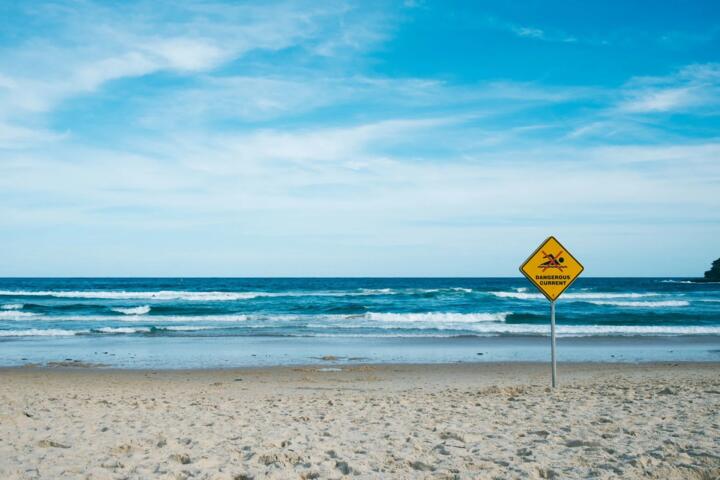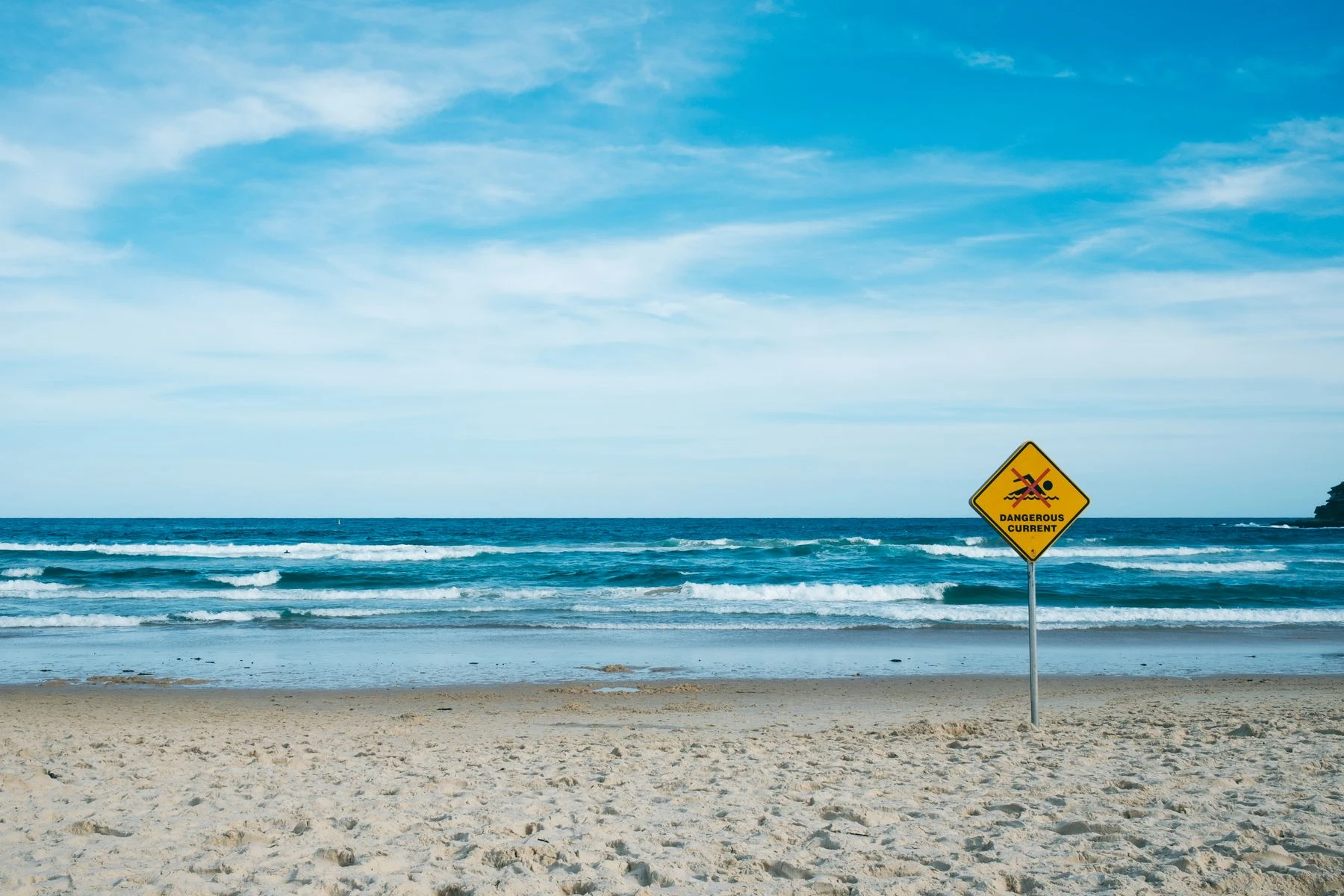
Rip Currents And Flags
Rip currents are concentrated channels of water that move away from shore, often forming near gaps in sandbars, jetties, piers, or where waves break unevenly. They can look like calm water surrounded by choppy surf, or like a darker, slightly foamy strip moving seaward. Beach safety flags are one of the fastest ways to communicate risk when conditions change quickly.
Flag systems vary by country and even by beach operator, but many places use a color-and-shape approach that maps to swimming conditions. In the United States, the most common scheme uses red flags for no swimming, yellow flags for caution, and green flags for safer conditions, though local agencies may add additional meanings. In Australia, the common system uses colored flags and a surf lifesaving patrol context, with red and yellow combinations often tied to specific restrictions. If you travel, treat the posted flag as the authority for that exact beach and day.
Practical example: you arrive at a beach with a green flag flying, then notice the flag changes to yellow after a storm. The water may still look swimmable to you, but the wave pattern and current strength can shift within hours, and the flag change is the cue to reassess your plan.
What People Misread
People often treat flags as a general weather forecast instead of a real-time swimming restriction. A flag can reflect multiple factors at once, including rip current risk, wave height, and the presence of strong currents beyond what you can judge from the surface.
Another common mistake is assuming that calm-looking water means low risk. Rip currents can be narrow, so the surrounding water may appear less turbulent while the channel pulls seaward. If you see a persistent line of foam, debris, or sand moving outward, that pattern can indicate a rip current even when the rest of the beach looks manageable.
Some beaches post additional cues like signs, lifeguard instructions, or a “no swimming” zone marked by buoys. Those cues can override a flag color. Dependencies matter here: the flag is only one input, and it depends on patrol observations, local wave measurements, and the operator’s interpretation of conditions.
Supporting technologies also influence what you see. Many lifeguard services use radios for rapid updates, and some beaches use cameras or surf monitoring systems to track wave breaking patterns. Even with those tools, conditions can change between patrol checks, which is why the flag can change during your visit.
How To Read Flag Meaning
Start with the exact flag set for that beach. Look for a sign near the flag station that explains the colors and any additional symbols. If the sign is missing, read the lifeguard instructions out loud or posted on nearby boards, since the same color can mean different restrictions in different regions.
When you see a red flag, treat it as a strong “do not enter the water” message for swimming. When you see yellow, treat it as a warning that conditions can be hazardous for untrained swimmers, and keep your distance from channels that look like they pull outward. Green usually indicates safer conditions, but it does not remove all risk, especially for children, weak swimmers, or anyone entering deeper water.
One small aside from field practice: on a beach where I checked a flag station on 2024-07-18, the sign listed red for “no swimming,” yellow for “swim with caution,” and green for “patrolled swimming.” The wording matched the flag colors, but the sign also added a note that rip currents can occur even under green, which changed how people behaved around the surf line.
Match The Flag To Your Plan
Use the flag to decide whether you enter the water at all, how far you go, and who goes with you. If the flag indicates restricted swimming, choose a safer alternative like staying in shallow water near shore or using a designated swimming area. If you are with children, keep them within arm’s reach and avoid areas where waves break unevenly.
For a realistic outcome, the goal is risk reduction, not a guarantee. Staying in shallow water where you can stand and move with the waves reduces the chance that a rip current can carry you far from shore before you can recover.
Watch For Rip Current Clues
Flag warnings work best when paired with visual cues. Look for a narrow band of churning water moving seaward, a line of foam or seaweed that travels outward, or a gap where waves break less than the surrounding surf. If you see those patterns, avoid crossing them toward deeper water.
Some beaches post a “rip current” diagram on the signboard. If you have a phone, you can zoom in on that diagram, but do not rely on a screenshot taken earlier in the day. Conditions shift, and the diagram may be generic.
If You Get Pulled Out
Rip current survival guidance is consistent across many lifeguard organizations: conserve energy, avoid fighting the current directly, and move laterally to escape the channel. If you can float, float and signal for help. If you are not a strong swimmer, keep your breathing controlled and focus on getting out of the pull rather than trying to swim straight back to shore.
In practice, you can aim to move sideways toward calmer water, then resume swimming diagonally toward shore once you are out of the current. If you are with a group, assign one person to watch you and signal lifeguards rather than everyone trying to reach you at once.
A mild frustration many beachgoers experience: people try to “power through” the current because it feels like the only option. That approach burns energy quickly, and the current keeps you moving seaward while you fatigue.
Use Local Instructions First
Flag colors are a starting point, not the final authority. Follow the lifeguard’s directions, the posted beach sign, and any temporary closures. If a beach has a patrol, ask where the safest swimming zone is, since rip currents often form in predictable locations like near structures.
For planning, check the beach’s official social media or website if it exists, but treat it as background. The flag you see on site is the most current signal, and you can confirm it by reading the sign at the flag station.
Educational Case Examples
Scenario 1: A family arrives at a patrolled beach where the flag station shows yellow. The parent notices a darker strip of water with foam moving outward and keeps the children in knee-deep water near the sandbar edge. When the children want to wade farther, the parent redirects them to the designated swimming area marked by the lifeguard. The family still has a beach day, but they avoid the outward-moving channel.
Scenario 2: A swimmer enters when a green flag is flying, then notices the flag changes to yellow while they are in the water. They see a line of seaweed moving seaward and feel a steady pull. They stop trying to swim straight back, float to conserve energy, and move sideways toward calmer water. Once out of the channel, they swim diagonally toward shore and signal for help when they reach shallower water.
Flag Checklist For Decision
| Step | What To Look For | What It Means For You | Action |
|---|---|---|---|
| 1. Read The Sign | Color meanings and any symbols | Local rules override assumptions | Decide whether to enter the water |
| 2. Check The Water | Foam lines, gaps, outward flow | Rip channels can exist even when surf looks mild | Avoid crossing outward-moving bands |
| 3. Match Your Distance | Depth you can stand in | Shallow water reduces exposure time | Stay where you can stand and recover |
| 4. Plan For Help | Where lifeguards are and how to signal | Faster response reduces risk | Agree on a signal and keep eyes on swimmers |
| 5. If Pulled | Energy conservation and lateral escape | Directly fighting the current often fails | Float, signal, move sideways out of the channel |
Common Mistakes To Avoid
One mistake is treating a flag color as a guarantee for every swimmer. A strong swimmer can still be pulled into a rip current, and a weak swimmer can be at risk even in conditions that look calm.
Another mistake is ignoring the “patrolled area” boundaries. Rip currents often form outside the safest zone, and lifeguards may focus their coverage on specific sections of the beach.
People also underestimate how quickly flags change. If you notice the flag station update while you are in the water, exit calmly and reassess rather than waiting for the next wave set.
Some visitors rely on a weather app alone. Wind and wave forecasts help, but they do not replace on-site observation of rip current indicators like foam lines and persistent outward flow.
Finally, avoid assuming that a “no swimming” message applies only to deep water. Rip currents can affect swimmers in shallow surf as well, especially when the channel forms near the shore.
FAQ
What does a red flag mean at beaches?
Red flags usually indicate no swimming or a strong restriction due to hazardous conditions such as rip currents. Always read the sign next to the flag station because local meanings can vary.
Can rip currents happen when the flag is green?
Rip currents can occur even when conditions look relatively safe. Green typically means patrolled swimming conditions, not zero risk, so you still need to watch for foam lines and outward flow.
How can I spot a rip current without special equipment?
Look for a narrow channel of darker water, a line of foam or seaweed moving seaward, or a gap where waves break less than the surrounding surf. These visual cues often appear before you feel the pull.
What should I do if my child gets pulled seaward?
Keep your own safety in mind and signal lifeguards immediately. If the child is in the water, focus on helping them float and move sideways out of the pull rather than trying to swim straight against it.
Do flag meanings match across countries?
Flag systems vary by country and sometimes by beach operator. Treat the posted flag and sign at the specific location as the correct reference for that day.
Author's Insight
Beach safety flags translate on-site observations into a quick decision rule for visitors. Their meaning depends on local signage, patrol practices, and the specific hazard being communicated, so the safest approach is to read the flag station instructions before entering the water.
Rip currents are driven by wave-driven circulation and bathymetry, which means they can form in predictable places and also shift after storms. Visual indicators like foam lines and outward-moving debris often match the channel behavior described in lifeguard guidance.
When you plan a beach visit, treat flags as a real-time risk update and pair them with simple observations about depth and surf patterns. If you want a practical reference, review the lifeguard guidance posted at the beach and follow it over general advice.
On a separate note, I once checked a beach safety sign that listed “last updated” information with a date format like 2024-06-01, which helped explain why the flag rules changed after a storm cycle.
Key Takeaways
- Use the posted flag and the sign at that beach as the authority for rip current risk.
- Do not rely on calm-looking water; watch for foam lines, gaps, and outward-moving debris.
- Stay in shallow water where you can stand when conditions are restricted.
- If pulled, conserve energy, signal for help, and move sideways out of the current before heading toward shore.
- Flags can change during your visit, so reassess before you re-enter the water.