Tourist Shows vs. Reality
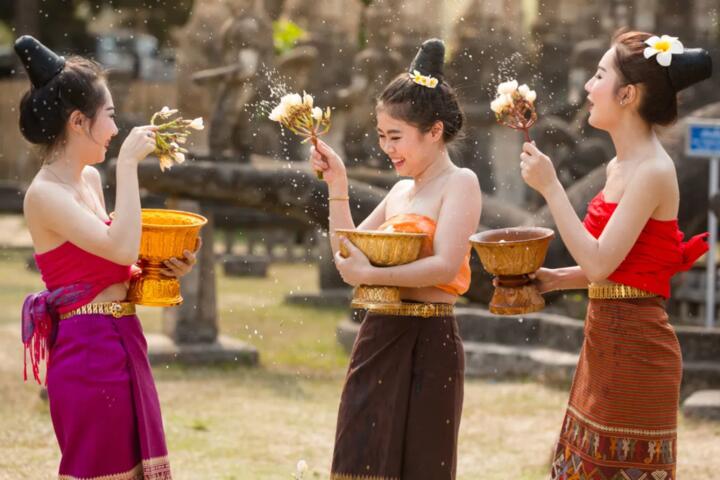
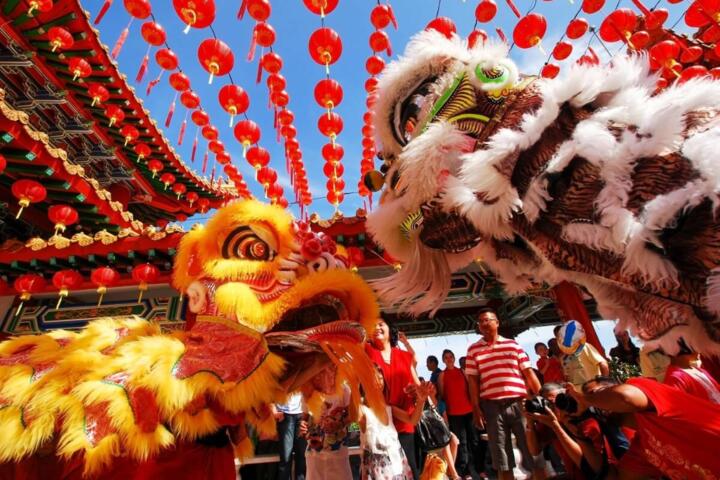
Tourist shows often offer simplified versions of local culture, designed for quick entertainment. For instance, a Hawaiian luau at a resort may present a choreographed fire dance and staged hula, but miss the deeper meaning behind traditional rituals. Authentic experiences usually involve unpredictability, context, and a connection to everyday life. A 2019 survey revealed that only 27% of cultural tourists felt fully immersed during packaged performances. That’s why many seek excursions led by locals or participate in genuine ceremonies where traditions are lived rather than performed on cue.
Misunderstandings and Issues
Many travelers mistake tourist shows for genuine culture. This misunderstanding leads to shallow encounters and can perpetuate stereotypes. The packaged narratives often prioritize spectacle over substance, which dilutes local identity. Visitors expecting an authentic connection may leave feeling disappointed. What gets missed is how these shows simplify complex histories or omit the socio-political backdrop. In places like Spain, flamenco shows designed for tourists emphasize flamboyance but few explain the genre’s roots in resistance and sorrow.
Seek Authentic Experiences
Research Local Communities
Start by learning about local customs before your trip. Use ethnographic books, documentaries, or trusted travel blogs. Knowing cultural context helps sift real from staged. For example, a documentary on Berber traditions provides insight that prevents being dazzled only by tourist-driven dancing at Morocco’s Djemaa el-Fna.
Choose Experiences by Locals
Opt for activities owned or led by locals rather than tour operators focused on mass tourism. Platforms like Airbnb Experiences or Withlocals can connect you to locals in 50+ countries offering authentic cooking classes, storytelling, or rituals. This approach supports the community directly, not the intermediaries.
Attend Community Events
Look for festivals or gatherings meant for residents, not marketing schemes. For example, Japan's Obon Festival is a time for honoring ancestors, offering visitors immersive, respectful participation—not staged showdowns. These events often require some flexibility with timing or language but deliver raw cultural immersion.
Skip Highly Commercialized Venues
Avoid venues that heavily market themselves as “cultural” but cater mainly to packages and bus tours. In Mexico City, spots like Plaza Garibaldi, popular for mariachi bands, risk turning tradition into background noise for selfies. Instead, seek local cantinas with live music where performers engage spontaneously.
Engage Senses Deeply
Authenticity comes alive through food, language, and rituals that resonate beyond observation. Trying local dialects, tasting untouristed street foods, or learning traditional crafts evoke empathy and understanding. When traveling through Vietnam, for example, sharing a meal of bánh cuốn prepared in a small village home carries the story much farther than watching a staged cooking demo.
Use Cultural Guides Mindfully
Employ guides with cultural scholarship or local lineage; avoid those pushing scripted narratives. Guides who alter routes or add theatrical flair diminish authenticity. Trusted services such as Context Travel vet experts by background and experience, often limiting group sizes to under ten for meaningful interaction.
Focus on Process, Not Product
Real culture emphasizes ongoing practice, not isolated presentations. Watching artisans in their workshops, seeing ritual preparations unfold naturally, or joining communal singing sessions reveals living traditions not meant for applause. Flea market weaving demonstrations in Oaxaca, Mexico may last hours, showcasing the full dyeing and weaving process, a stark contrast to 15-minute tourist snippets.
Document Responsibly
Ask permission before photographing or recording, and avoid intrusive behaviors. Over-documenting alters interactions and can disrupt rituals. A 2023 UNESCO report notes cultural erosion linked to tourist overexposure, urging travelers to respect boundaries.
Impactful Approaches Examples
A community tourism project in Nepal invited visitors to participate in rice planting alongside farmers. Instead of a staged show, guests worked hours and helped harvest, leading to a 35% increase in repeat visitors seeking this deeper engagement. Meanwhile, a tour company in Bali shifted from regular Kecak dance performances to evening dinners with families telling legends informally, increasing guest satisfaction scores by 20% in six months.
What to Spot: Quick Checklist
| Feature | Tourist Show | Real Experience | Indicators |
|---|---|---|---|
| Audience | Mass, tourists | Small, locals + guests | Group size under 15 |
| Setting | Stage, tourist venue | Community, real locations | No fake sets |
| Purpose | Entertainment | Preservation, participation | Local support |
| Narrative | Simplified, scripted | Complex, evolving | Context explained |
| Interaction | Passive watching | Active participation | Engagement level |
Frequent Errors to Dodge
Many tourists rush to photo ops, missing deeper moments. Chasing iconic shows rather than small local events often results in cookie-cutter impressions. Accepting only English narration sometimes muffles nuance. Searching for a ""picture-perfect"" moment can cause you to miss ongoing community life. Another mistake: assuming a performance equals an unfiltered truth. Instead, pause and wonder who’s telling the story, and why.
FAQ
How do I find authentic cultural events?
Start local community centers’ websites or ask trusted travel forums and platforms hosting resident-led experiences to locate ongoing festivals or informal gatherings not advertised widely to tourists.
Can tourist shows be educational?
Yes, but often limited in scope and depth. Use these shows as introductions, then dig further through guided tours or reading to understand cultural roots behind performances.
Are local guides always better?
Not always; credibility matters more than geography. A well-educated guide with cultural ties or academic background delivers better insight than someone simply local without those attributes.
What role do technology tools play?
Apps with crowd-sourced local tips can highlight hidden gems. However, overreliance on review aggregates risks promoting spots tailored for tourists, so cross-reference with cultural websites.
Can I participate in rituals safely?
Participation often requires respect and permission. Observing boundaries, asking before joining, and following local etiquette prevents misunderstandings and preserves ritual integrity.
Author's Insight
Years of traveling across five continents, I learned to read between staged scenes and real customs by listening closely, asking odd questions, and slowing down. Pushed once into a tourist-only flamenco show, I regretted missing the neighborhood tablaos where artists pour their souls invisibly. Cultural immersion demands patience, respect, and sometimes discomfort, but no tool or app replaces sensing authenticity firsthand.
Key Takeaways
Identifying the real thing means looking past bright shows and curated performances to find traditions alive in daily life. Don’t settle for easy entertainment—seek local voices, participate actively, and question narratives. Cultural depth proves itself through complexity and connection, not just spectacle. Slow travel with curiosity beats ticking off lists and yields richer experiences, guaranteed.