Timing Visits Around Holidays
Local holidays change how a city runs: fewer staff at offices, altered public transport schedules, and closures for shops and services. For travelers, the practical impact shows up in queues, delayed deliveries, and reduced availability of pharmacies, clinics, and after-hours help. If your trip depends on a steady medication routine or predictable mobility support, date selection becomes part of your health planning, not just sightseeing.
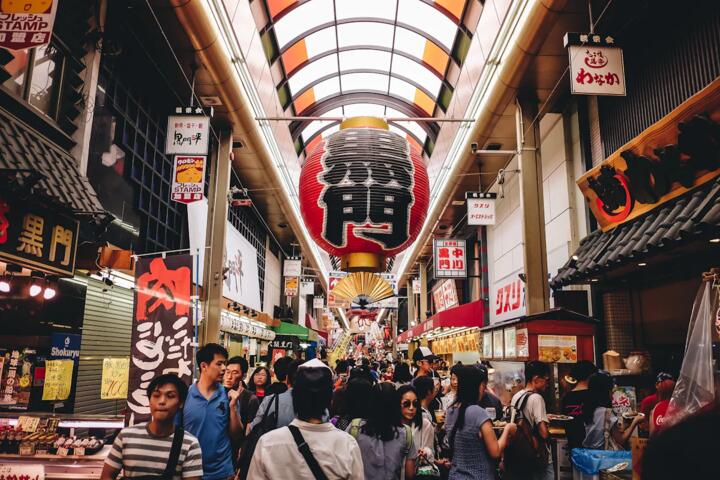
Holiday timing also affects risk in indirect ways. Crowded transit increases the chance of missed connections, and longer lines can delay meals and hydration. In some places, holiday festivities include fireworks, parades, or late-night events that can worsen sleep for light sleepers and people managing anxiety or sensory sensitivity. The goal is to match your itinerary to the local rhythm rather than forcing your schedule into it.
Start with the holiday type. National public holidays often bring broad closures, while regional or religious holidays may shift hours only in certain neighborhoods. School vacation periods can overlap with holidays and multiply crowding even when the holiday itself is only one day. I’ve seen itineraries fall apart because the traveler booked around the holiday date but ignored the week-long school break that came with it.
Main Problems Travelers Face
People often assume holiday effects are limited to the exact day. In practice, the days before and after can be more disruptive because travelers, workers, and deliveries cluster around the holiday window. A “two-day closure” can turn into a five-day slowdown if staffing is reduced and transport runs on a limited timetable.
Another common mistake is relying on a single source for opening hours. Many businesses update hours late, and some list “holiday hours” without stating which holiday they mean. Transit agencies may publish holiday timetables under a different label than the one used in local news. When you plan, treat each dependency—transport, lodging services, pharmacies, and medical access—as separate and verify them.
Supporting technologies and systems also matter. Real-time transit apps can show live arrivals, but they may switch to scheduled data during disruptions. Ride-hailing availability can drop when drivers are off work, and cashless payment systems may fail if networks are overloaded at peak times. Even pharmacy stock can be affected by supply-chain timing, especially for items that require refrigeration or special ordering.
Finally, travelers sometimes plan around the holiday but forget about their own constraints. If you need to refill prescriptions, you may run into pharmacy closures or reduced hours. If you use mobility aids, you may face temporary route changes for parades or road closures. If you rely on a specific clinic for follow-up care, holiday staffing patterns can change appointment availability.
Solutions And Advice
Build a Holiday Buffer Plan
Choose dates with a buffer around the holiday rather than landing exactly on the peak day. A practical approach is to schedule “must-do” activities—pharmacy visits, long-distance travel, and any appointment that requires paperwork—on the day before the holiday or the first weekday after. For medication continuity, aim to carry enough supply for the entire holiday period plus a few extra days in case a refill is delayed.
Use a simple dependency list: lodging check-in/out, local transit routes you need, pharmacy locations near your stay, and any clinic or urgent care options. Then assign each item a “holiday status” you can verify. If you’re traveling with a child, add a second buffer for meals and sleep timing, since crowding can shift meal times later than planned.
As a side observation, I’ve noticed that many transit apps show the holiday schedule correctly only after you switch the date in the planner. On a recent trip planning session (app version 2026.1 on iOS), the default “today” view hid the holiday timetable until the date was changed.
Verify Hours With Multiple Sources
Check opening hours using at least two channels: the business website and a listing that reflects local updates, such as Google Maps or a local directory. For pharmacies, also confirm whether they offer extended hours or emergency dispensing during holidays. If a clinic has a holiday message on its homepage, read the fine print about which days it applies to and whether it covers walk-ins.
For transit, look for the holiday timetable page on the official agency site, then cross-check with a route planner. If the agency uses a “special schedule” label, match it to the holiday name used locally. If you see conflicting information, plan for the more restrictive option. That means leaving earlier, using alternate routes, or choosing a different travel day.
When you verify medical access, confirm how to reach the service. Some urgent care centers require online registration even during holidays, and some phone lines route to an answering service. If you can, test the contact method before you arrive—calling during local business hours can reveal whether the number is active.
Plan Transport Like It’s Busy
Holiday travel often means higher load factors on trains and buses, plus more frequent service changes. Build your itinerary around realistic transfer times. For example, if a normal connection takes 20 minutes, plan 35–45 minutes during holiday peaks, especially at stations with crowd bottlenecks.
Choose travel modes that match your tolerance for delays. If you need predictable timing, consider routes with fewer transfers and stations with multiple exits. If you’re using a mobility aid, check whether stations have elevators and whether holiday road closures affect drop-off points. Parades can reroute buses and block sidewalks, so map your “walkable fallback” path.
One mild frustration many travelers report: ride-hailing estimates can look normal while actual pickup times spike. That happens when driver availability drops and the app still shows a typical range. Treat pickup time as uncertain and plan a backup option, like a nearby station or a pre-booked taxi stand.
Manage Medication and Health Needs
Medication planning is the part most people under-budget. Start by checking whether your prescription is refillable during the holiday period and whether your pharmacy can order it in advance. If your medication requires refrigeration, ask about storage policies and whether the pharmacy can provide it in a suitable container.
Bring documentation that helps pharmacies and clinics verify dosing. A printed prescription label or a doctor’s note can reduce delays if staff are short-handed. If you use a device for monitoring, pack extra batteries or chargers, since some stores close and adapters can be harder to find during holidays.
For health concerns that might arise during travel—minor injuries, allergies, or sudden illness—identify the nearest pharmacy and an urgent care option that is open on the holiday. If you rely on a specific language service, confirm it in advance. In some countries, emergency numbers are consistent, but non-emergency clinics may close entirely.
Case Examples
Family Trip With Prescription Refills
A family plans a 7-day visit to a European city during a major national holiday. They book lodging near a transit hub but schedule a pharmacy refill on the holiday itself. The pharmacy’s website lists “closed,” and the nearby 24-hour option is only open for emergencies, which delays the refill by two days. After that, they shift refill tasks to the day before the holiday and keep a 5-day buffer supply for each person.
They also change their transport plan. Instead of using a single bus route that goes through the parade corridor, they switch to a train line with an alternate station entrance. The result is fewer missed connections when crowds surge, even though the holiday day still feels busy.
Solo Traveler Planning a Clinic Visit
A solo traveler needs a follow-up appointment during a regional holiday. The clinic’s main page states “reduced hours,” but the appointment system shows limited slots only for the morning. The traveler calls the clinic using the number listed on the official site and confirms that walk-ins are not accepted on that day. They reschedule the appointment to the first weekday after the holiday and use the holiday period for low-dependency activities like walking routes that do not require timed bookings.
They also verify pharmacy access near the lodging. One pharmacy is open but only for a short window, so they identify a second option within a 20–30 minute transit ride. That backup reduces stress when the first pharmacy line runs long.
Holiday Timing Checklist
| Decision Point | If You Arrive On Peak Day | If You Arrive 1–2 Days Before | If You Leave 1–2 Days After |
|---|---|---|---|
| Pharmacies | Expect reduced hours; refill risk is higher | Refill tasks fit normal operations | Refills may resume; still verify |
| Transit | Crowds and schedule changes likely | Timetables may already shift | Service often returns to normal |
| Medical Access | Clinics may close; urgent care varies | Appointments more likely to run | Follow-ups easier to schedule |
| Daily Planning | Long lines; fewer services open | More options for errands | Better odds of normal hours |
Use this as a decision guide, not a guarantee. Holiday rules differ by country, region, and even neighborhood, so verify each dependency for your exact dates.
Common Mistakes
Booking “non-refundable” appointments on the holiday day without confirming whether the clinic runs reduced hours is a frequent failure mode. If you must schedule during the holiday window, choose providers that publish holiday hours clearly and offer a rescheduling policy.
Assuming that a pharmacy labeled “open” on a map listing will have the same hours as the holiday schedule can lead to wasted trips. Listings can lag behind real staffing changes, and some stores switch to limited emergency dispensing. Verify the holiday hours on the pharmacy’s own page or by calling.
Planning transport with normal connection times can cause missed transfers when stations get crowded. If your itinerary includes a transfer at a major hub, add time for crowd flow and ticketing checks. I’ve seen travelers lose 30–60 minutes simply because they arrived at the platform after the crowd wave moved through.
Another mistake is packing medication quantities that match only the trip length. If a refill is delayed by closures or paperwork, you may have no buffer. Carry enough for the holiday period plus a few extra days, and store it in a way that stays accessible during travel days.
Finally, travelers sometimes treat holiday closures as uniform. Regional holidays can affect only certain districts, while national holidays affect most services. Check the holiday calendar for the specific city and region, not only the country.
FAQ
How Do I Find Local Holiday Dates?
Use the city or regional government site and cross-check with major local news outlets for the exact dates and any “observed” days. For religious holidays, confirm the local calendar used by public services and schools.
Should I Travel On The Holiday Or Before?
Traveling 1–2 days before usually reduces the chance of pharmacy and clinic closures and gives you time to handle delays. Peak-day travel often increases crowding and schedule changes, which can disrupt medication routines and timed appointments.
What Should I Verify For Pharmacies?
Confirm holiday hours, whether refills are processed, and whether the store offers emergency dispensing. If your medication needs refrigeration or special ordering, ask about storage and lead times.
Do Transit Apps Show Holiday Schedules?
Many apps switch to holiday timetables, but they may require you to select the correct date in the planner. Cross-check with the transit agency’s official holiday timetable page for your route.
How Much Buffer Time Should I Add?
For connections at busy stations, plan 35–45 minutes instead of a typical 20-minute transfer. For errands tied to limited hours, schedule them earlier in the day and keep a backup option within a short transit ride.
Author's Insight
Holiday planning works best when you treat it as a set of dependencies: transport schedules, service hours, and health access. People often plan around the holiday date but ignore the days before and after, when staffing patterns and queues shift. A careful approach uses verification from official sources and a buffer for medication and timed tasks. If you need medical continuity, build your schedule so that refills and appointments land on days with normal operations, then treat the holiday itself as a lower-dependency window.
Key Takeaways
- Plan around the holiday window, not only the holiday day, since closures and disruptions spread to adjacent dates.
- Verify hours and access for each dependency: transit, pharmacies, and clinics, using more than one source.
- Add buffer time for crowded connections and keep a backup route or station entrance.
- For medication routines, carry extra supply and schedule refills before reduced-hours days.