Heritage Site Designations
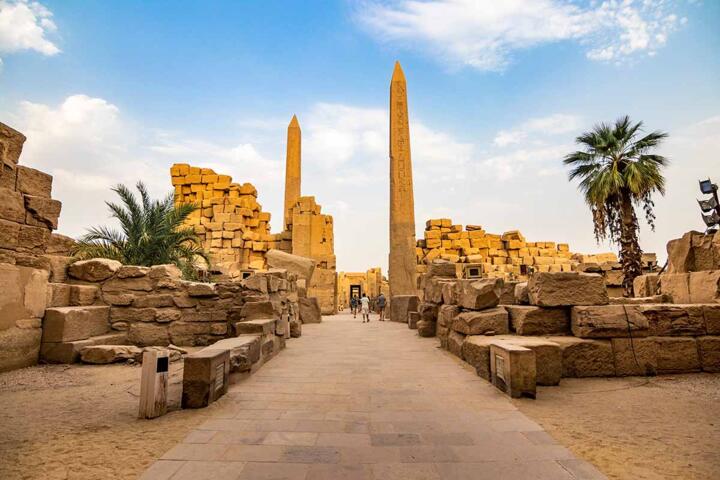
Heritage site designation formally recognizes locations that hold cultural, historical, architectural, or natural importance. Examples include UNESCO World Heritage sites like the Great Wall of China or the historic center of Rome—areas preserved for their legacy and universal value. According to UNESCO, there are 1,157 World Heritage sites globally as of 2023; each undergoes a rigorous evaluation before receiving this title. The designation can apply to buildings, entire neighborhoods, landscapes, or archaeological sites, depending on their unique features.
Such recognition often leads to increased protection under national laws or international agreements. Designated sites often see growth in tourism and investment but simultaneously face restrictions on modifications and development. Sites can range from ancient ruins to living communities maintaining traditional lifestyles.
Consider the example of Machu Picchu, which, after designation in 1983, implemented strict visitor limits to reduce erosion and preserve the site's integrity. That balance of exposure and preservation defines much of what a heritage site designation means in practice.
Common Challenges
Many assume heritage site designation is merely honorary; it is not. It introduces regulations that impact how sites are managed and maintained, sometimes disrupting local economies or residents’ routines. The misconception that designation automatically brings funding can lead to frustration—often, grants cover only a fraction of necessary conservation work.
Another issue: some property owners fear loss of control. Designation can restrict renovations, changes, or new construction, affecting property value and uses. Conflicts often arise when commercial interests clash with preservation goals, as was the case with Venice’s struggle with cruise ship traffic overwhelming the historic center.
Neglecting these challenges can result in inappropriate development, damaging the site's integrity or alienating local communities. Real-world consequences include 2018 fires at Notre-Dame Cathedral that reignited debates about heritage site management and emergency readiness.
Regulation complexity also varies, meaning stakeholders must carefully interpret legal frameworks, which are sometimes confusing or inconsistent.
Approaches for Designation
Understand Legal Implications
Review the national and local heritage laws connected to the designation. These dictate what actions require permission and outline conservation standards. For example, in the U.S., the National Historic Preservation Act governs modifications to designated sites. Knowing these rules prevents costly violations and fines.
Engage Stakeholders Early
Involve local communities, property owners, and preservation experts from the start. Their input shapes viable management plans aligned with both heritage goals and community needs. The community engagement model used by the National Trust for Historic Preservation often shows better compliance and site care outcomes.
Set Conservation Priorities
Identify the elements within the site that make it valuable—historic architecture, natural setting, cultural traditions—and focus resources there. This prioritization informs maintenance and visitor guidelines to minimize damage. The restoration of the Alhambra palace in Spain emphasized preserving original Moorish features over later additions, for example.
Use Monitoring Technologies
Advanced tools like 3D laser scanning and drones provide precise condition assessments. These data help allocate maintenance funds efficiently and detect deterioration early. The European Space Agency periodically monitors at-risk heritage sites via satellite imagery, significantly aiding damage prevention.
Develop Sustainable Tourism Plans
Control visitor flow to reduce wear while maximizing educational impact. Methods include timed ticketing systems, guided tours, and clearly marked paths. Angkor Wat limits daily visitors to approximately 9000 to protect temple surfaces while maintaining tourism revenue.
Secure Funding with Transparency
Combine public funds, private partnerships, and international grants. Transparent accounting boosts trust and helps attract repeat support. The Getty Foundation’s Keeping It Modern grant program supports maintenance of mid-century modern heritage sites with clear project milestones.
Train Staff and Local Guides
Professional knowledge ensures appropriate visitor interaction and site care. Training programs by UNESCO or ICOMOS elevate standards and unify practices globally. Skilled guides enhance visitor experience and reduce accidental damage.
Plan for Emergency Preparedness
Develop contingency plans for natural disasters, fires, or vandalism. The 2019 fire protection upgrades at Edinburgh Castle added sprinkler systems without compromising historical interiors minimum intrusion, a model for heritage conservation emergency retrofit.
Promote Education and Awareness
Programs aimed at local schools or visitors foster respect for the site’s value and preserve traditions. The Japanese cultural practice of “Satoyama” receives UNESCO recognition partly due to extensive public education that stabilizes rural landscapes.
Real Examples Demonstrated
Consider the historic town of Lijiang, China. Designated a World Heritage site in 1997, its narrow streets and wooden houses reflect ancient Naxi culture. Prior tourist surges in early 2000s brought commercial pressures and infrastructure strain.
Municipal authorities responded by restricting new developments near core areas and funding restoration projects, raising visitor management standards. Tourist satisfaction measured by surveys improved by 16% between 2010 and 2018, while conservation reports indicated a 30% reduction in structural damage reports.
Another case is York’s medieval city walls in England. Local authorities collaborated with heritage bodies to restore damaged sections while building walking routes that encouraged tourism without further wear. These efforts attracted 800,000 visitors in 2022, generating over £25 million in economic impact, supporting small businesses and conservation funding.
Checklist for Site Management
| Step | Action | Outcome | Tools |
|---|---|---|---|
| 1 | Legal review | Compliance assured | Legal texts, heritage registry |
| 2 | Community meetings | Stakeholder alignment | Workshops, surveys |
| 3 | Conservation planning | Resource prioritization | Site surveys, reports |
| 4 | Tech monitoring | Damage detection | Drones, 3D scans |
| 5 | Tourism control | Preservation, revenue | Ticketing, guides |
Error Prevention Tips
Ignoring local input often dooms conservation efforts. In one case, a European town's rush to develop a heritage district ignored resident feedback, leading to protests and delays. Avoid top-down plans that alienate stakeholders.
Failure to understand complex regulations also frequently creates problems—property owners may accidentally breach guidelines after designation, resulting in penalties or forced reversions.
Similarly, excessive tourism without controls degrades sites rapidly. Unmanaged visitor numbers cause wear on fragile materials, as seen in the early 2000s at Angkor Wat, where authorities had to introduce drastic limits.
Neglecting emergency preparedness risks irreversible damage. Fires or floods have destroyed parts of heritage sites globally; prevention protocols are critical investments.
Finally, underfunding conservation harms long-term preservation, generating more costly repairs later. Secure diverse funding streams early on.
FAQ
What is a heritage site designation?
A formal recognition granted to locations with historical, cultural, architectural, or natural value, entailing preservation protections and often increased tourism oversight.
Does designation guarantee funding?
No. While it may open doors to some grants or support, funding is usually limited and must be supplemented through local or private means.
How does designation affect property owners?
Property owners face restrictions on changes, renovations, or development to protect the site's character and integrity.
Can a heritage site lose its status?
Yes. If the site suffers irreparable damage or fails to meet criteria, its designation can be withdrawn, though this is rare.
How do sites balance tourism and preservation?
By controlling visitor numbers, providing education, and enforcing site-specific rules to minimize wear and risk.
Author's Insight
As someone who's managed heritage projects for over a decade, I've seen how designation reshapes local priorities. Balancing conservation with community interests takes constant negotiation and adaptability. Professional monitoring tools greatly enhance maintenance efficiency, though budgets are often tighter than needed. Transparent communication with residents prevents many conflicts, a principle I've learned after early setbacks. The designation means responsibility beyond recognition—it demands long-term care and respect.
Key Takeaways
Heritage site designation labels locations of cultural or historic value, triggering legal protections, management challenges, and opportunities for education and tourism. Understanding regulatory frameworks, engaging stakeholders, planning carefully for conservation and tourism, and securing steady funding are key steps. Ignoring these leads to conflicts and damage. Pragmatic, community-informed approaches provide the best chance for sites to remain intact and meaningful for future generations.