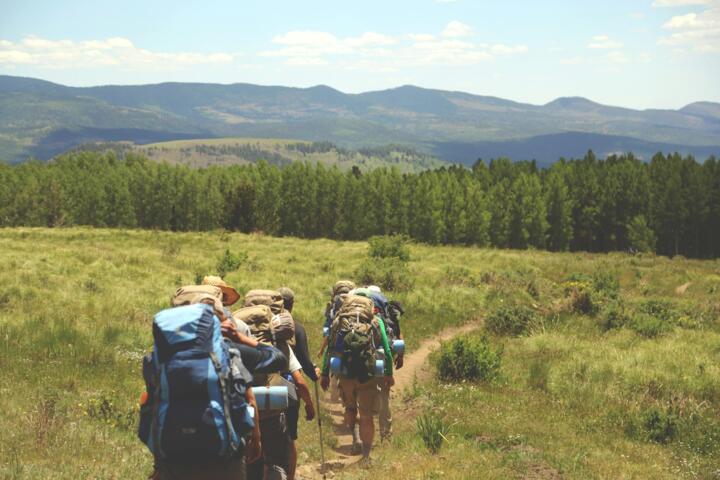
Getting Started with Trekking
Trekking over multiple days means carrying a fraction of your home with you, and planning routes well in advance. For example, the Appalachian Trail measures over 2,190 miles and takes months, while shorter multi-day treks like the John Muir Trail cover roughly 210 miles in about two weeks. Each day demands managing distances typically between 8 and 15 miles, so stamina builds gradually. Simple day hikes won't prepare you for this intensity. You pack food, shelter, and sometimes even water purification systems just to stay self-sufficient in remote areas.
Understanding weather patterns, terrain type, and altitude can mean the difference between a memorable trip or a risky situation. Days blend—the mind sometimes struggles to mark time. Carry a map, GPS device like Garmin GPSMAP 66i, and a reliable compass for backup.
What Often Trips People Up
Many underestimate how much weight they'll carry. This mistake causes fatigue and increased risk of injury. Overpacking is common, partly due to poor temperature predictions or anxiety. For instance, hikers often bring bulky tents and overfill backpacks by 10-15 lbs beyond comfort. Some neglect to check water availability, forcing detours to known springs or streams. On hot days, failing to pace oneself can cause dehydration rapidly.
Ignoring elevation gains also leads to trail burnout. The often overlooked factor: repetitive strain from improperly fitted boots or poorly adjusted backpacks. Medical emergencies spike when rest days are skipped or taken at the wrong time.
Effective Prep Tactics
Gear Selection
Choose ultralight tents like Big Agnes Copper Spur HV UL2; it weighs just 3 lbs 6 oz but withstands varied conditions. A sleeping bag rated at 20°F often covers most seasonal treks. Replace cotton clothes with synthetics or merino wool layers to balance warmth and moisture management.
Test your setup on shorter hikes beforehand—that spot check saves sore backs and blistered feet.
Food Planning
Freeze-dried meals from brands like Mountain House or Backpacker's Pantry pack calories densely. Plan roughly 2,500 calories daily, adjusting for exertion. Avoid bulky cans or jars; vacuum-sealed items reduce both weight and waste. Throw in energy bars, nuts, and electrolyte tablets—those help maintain stamina.
Hydration Strategy
Carry at least 2 liters water per day during exertion; more if in arid zones. Use a Sawyer Mini filter, which weighs only 2 ounces and treats water on-the-go. Overreliance on unfiltered streams can backfire, leading to illness.
Route Intelligence
Download offline maps and trail guides via apps like Gaia GPS or AllTrails, plus verify trail closures and permits on agency websites such as the US Forest Service or NPS. Check elevation profiles ahead, or you risk overestimating your daily distance capability.
Physical Conditioning
Start training months earlier with hikes carrying at least 30% of intended backpack weight. Try intervals on hills and practice breaks without sitting down for a full hour—your breathing and foot comfort improve in ways walking on flat trails won’t reveal.
Weather Preparation
Layering adapts to changing temperatures; a waterproof breathable jacket from brands like Arc'teryx stops wind and rain without excess sweating. Monitor long-term weather forecasts but also be ready for sudden shifts common at altitude.
Emergency Planning
Carry a whistle, space blanket, and basic first-aid kit with supplies for blisters, minor cuts, and pain relief. Consider a satellite messenger, such as Garmin inReach Mini, which can call for rescue when cell signals fail. Know the nearest ranger station or extraction points.
Sleep Hygiene
Rest affects recovery drastically. Invest in a sleeping pad with R-value above 4 (like Therm-a-Rest NeoAir XTherm) to insulate from cold ground. Earplugs also help, for when you bivy alongside noisy wildlife or chatty neighbors.
Pacing and Time Management
Set daily mileage goals but stay flexible. Start early to avoid afternoon storms and navigate steep segments in cooler hours. Use a watch or phone timer to check pace every hour, preventing burnout and frustration.
Examples of Success
A trekking group in 2021 took on the Pacific Crest Trail section between Cascade Locks and Crater Lake, a 180-mile stretch. They planned food drops ahead, rationed 3 liters of water sources per day, and averaged 12 miles daily. Their gear weighed just 20 lbs. The result? They finished in 15 days, previously estimated at 20, cutting risk exposure.
Another case: a solo trekker crossing the Annapurna Circuit. She equipped herself with a Garmin GPSMAP 66i, and carried synthetic layers suitable for the range of temperatures, plus planned altitude acclimatization days. Despite unexpected snow, she completed the trek without evacuation.
Check Yourself Before
| Aspect | Ideal Range | Tool/Brand | Note |
|---|---|---|---|
| Backpack Weight | 15–25 lbs | Osprey Atmos AG 65 | Adjust to body fit |
| Daily Distance | 8–15 miles | GPS watch, Gaia GPS | Depends on terrain |
| Calories Daily | 2,500–4,000 kcal | Mountain House Meals | Adjust by exertion |
| Water Capacity | 2–4 liters | Sawyer Mini Filter | Filter during trail |
| Sleep Pad R-value | 4+ | Therm-a-Rest XTherm | Cold ground insulation |
Avoidable Slip-Ups
Starting too fast is the top mistake; adrenaline ignores pacing needs. Your legs hate impatience. Test gear in real conditions—don't buy and use it first time on the trail. Forgetting to treat water invites sickness — mild diarrhea can swamp your whole trip, and it rarely works the way the docs say if you just rely on heat or UV. Skipping acclimatization days high up in elevation can cause headaches, nausea, or worse—altitude sickness is no joke and mistakes here end trips.
Not carrying extra batteries or charging options for electronics throws off navigation or communication tools. Always pack a backup power bank, even if you swear by solar chargers (which, frankly, most people skip testing). Lastly, ignore weather and you feel regret fast: hypothermia risk soars after a rainstorm with chill winds.
FAQ
How heavy should my pack be?
Keep it between 15 and 25 pounds depending on trek length and resupply points. Focus on lightweight gear to reduce fatigue.
What food is best for multi-day treks?
Freeze-dried meals and high-calorie snacks work well. Plan around 2,500 to 4,000 calories daily based on exertion levels.
Can I drink stream water directly?
No, always filter with a reliable water filter. Untreated water risks Giardia or other waterborne illnesses.
How do I prevent blisters?
Proper-fitting boots and moisture-wicking socks minimize friction. Address hotspots early with tape or pads.
Is GPS enough for navigation?
GPS helps but carry paper maps and a compass as backups in case batteries die or signals drop.
Author's Insight
I’ve tackled week-long treks over mountain passes and deserts, and every trip reinforced the same lesson: underprepare, and the experience ruggedness doubles. I depend on specific gear tested by hours in the field, never on gadget hype alone. Hiking slower, planning meals in increments, and respecting weather shifts saved me from scrambling more than once. Effective trekking means respecting limits, then pushing them carefully.
Summary
Multi-day treks succeed through detailed prep in gear, nutrition, hydration, and pacing. Prioritize lightweight essentials and test your setup on short hikes. Track weather continuously and prepare emergencies with backups. Adjust daily goals during the trek to avoid exhaustion. Incremental planning supports enjoyable and safe journeys beyond simple day hikes.