Traveling with kids unpacked
Traveling with children calls for precise planning, starting from what you pack. Parents often bring either way too much or overlook small but impactful items. For instance, did you know that an average toddler needs about 5 changes of clothes per day on vacation, depending on activities? Many families also underestimate the importance of comfort objects, which can reduce meltdowns significantly.
Consider a recent survey by AAA, which found that 37% of families struggle mostly because of improper packing. That includes missing chargers for entertainment devices or not enough snacks during transit. The stakes rise for longer trips where access to essentials is limited.
Planning for kids means anticipating unexpected spills, mood swings, and delays that rigid checklists often miss.
Common packing pitfalls
Many think packing extra clothes means preparedness; the result is often an overweight bag that’s hard to manage. Others rely too much on in-destination shopping, which isn’t always an option, especially in remote areas. Skipping nap-friendly items or familiar toys can lead to hours of unrest during travel.
Consequences here range from increased family stress to costly last-minute purchases at tourist spots. For example, leaving behind a trusted stroller or diaper bag can severely limit mobility and comfort. Some parents overlook weather-related needs—just a light jacket when a rain layer is necessary can ruin an entire day.
It’s not just what you pack but how you organize that shapes the experience.
Packing tips and tools
Choose versatile clothing
Pack neutral pieces that layer well and suit multiple settings. For a 5-day trip, 10 clothing items per child might suffice—mix of shirts, pants, and at least one dressier outfit. Brands like Hanna Andersson and Patagonia offer durable clothes that survive stains and repeated washings during travel.
Bring key comfort objects
Include one or two favorite soft toys or blankets to ease transitions and sleeping. Such familiar items often soothe kids faster than new distractions. Keep them accessible in your carry-on or daypack for immediate calming effect.
Snack smart and often
Prepare portable, non-messy snacks like nut-free granola bars, dried fruit, or cheese sticks. Store snacks in small containers or resealable bags for quick access. A smart move is avoiding sugary treats that spike energy, leading to crashes mid-journey.
Limit devices and pack chargers
Two devices per child max usually works best, like a tablet and a handheld game. Load them with age-appropriate download content before leaving. Don’t forget universal chargers and a power bank with at least 10,000 mAh capacity. In 2023, many kids’ tablets come with screen time controls, which help manage usage on long flights.
Include hygiene and health supplies
Pack individual sanitizer bottles, wet wipes, band-aids, and any medications with clear instructions. Smaller travel-sized containers help stay within airline liquid limits. A compact first-aid kit from Adventure Medical Kits works well for families on the move.
Use packing organizers
Compression cubes and cubby bags segment clothes and gear, making retrieval easier. These help some parents save up to 30% of bag space. Consider waterproof bags for swimwear or snacks to avoid dampness elsewhere.
Plan for entertainment backups
Carry one or two coloring or activity books, durable crayons, and perhaps puzzles on a tablet. Digital and analog options guard against unexpected technical failures. We personally rely on the Melissa & Doug magnetic puzzles, which rarely scatter pieces in flights.
Dress for layers and weather
Pack lightweight raincoats and compact sun hats, adjusting to forecast changes. Layering works well with cotton or merino wool, which regulate temperature better than polyester. One rainy trip in April taught me the value of quick-dry socks—simple, but they kept everyone happier.
Bring a travel stroller or carrier
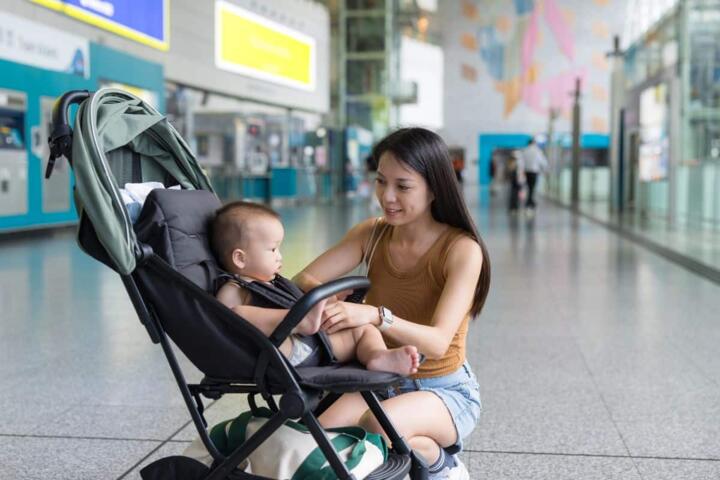
A lightweight stroller with quick fold and travel lock saves energy and time, especially in airports. Carriers like the Ergobaby adapt for newborns and toddlers, freeing hands. The key is ease of transport rather than size or brand prestige.
Success stories
A family visiting Yosemite in summer found themselves unprepared for chilly evenings. After buying local fleece jackets, they shortened the packing list for their next trip, reducing suitcase weight by 15 pounds. Their son slept better and stayed active longer on hikes.
Another example is a parent who overpacked clothing, carrying 40 pounds for a weekend. Later, they switched to compression cubes and layered three outfit combos per child, cutting total luggage weight in half and saving on baggage fees.
Packing checklist
| Item Type | Quantity | Packing Hint | Example Brand |
|---|---|---|---|
| Clothing | 10 per kid | Choose layers | Patagonia |
| Comfort toy | 1–2 items | Keep handy | Build-A-Bear |
| Snacks | 5+ packs | Low sugar | Kind Bars |
| Electronics | 2 per child | Preloaded | Amazon Fire |
| Health kit | Compact size | Sanitizer + meds | Adventure Medical |
Common pitfalls to skip
Parents often cram too many toys, assuming quantity beats quality. Kids don’t play with half, yet the weight adds up. Overpacking bulky items like diapers without checking if destination provides them wastes space and cash.
Ignoring easy-to-access snacks or misplaced chargers leads to crisis moments mid-flight or car trip. Forgetting backups for entertainment devices turns calm kids into restless passengers. Packing clothes without weather proofing trips the whole day.
Don’t overlook pre-trip gear checks. Some common items, like travel pillows or sunscreen, are always the last to go in the bag — and always the first needed.
FAQ
How many clothes per child?
About 10 pieces per child work for a week-long trip, focusing on layering. This includes shirts, pants, underwear, and pajamas.
What about snacks for picky eaters?
Bring familiar, non-perishable snacks and a few new options as diversions. Avoid sugary types which cause energy swings.
Should I bring entertainment devices?
Yes, but limit to two per child and preload all content. Keep chargers handy and carry a power bank.
How to handle medication packing?
Pack medications in labeled containers and carry a health kit with band-aids, wipes, and sanitizer for quick treatment.
Are strollers necessary?
A lightweight stroller or carrier significantly eases transport, especially in airports or large parks.
Author's Insight
In my experience, the biggest packing wins come from thinking like your child. I’ve learned that the smallest comfort item can defuse meltdown triggers instantly. Traveling with kids means packing not just for them but also for the unexpected delays or weather changes that are guaranteed to happen. I always double-check chargers and snacks last—these are often the unsung heroes of smooth trips. One thing that rarely works? Relying on hotel shops to fill gaps, particularly outside major cities.
Summary
Traveling light yet comprehensive is achievable with focused packing strategies. Choose versatile clothing, pack favorites for comfort, and include reliable snacks plus entertainment backups. Organize gear with cubes and remember weather-appropriate layers. Avoid the common mistake of overpacking bulky items or forgetting key chargers. Planning this way reduces stress, saves time, and makes trips with kids more enjoyable for everyone.