Overview: The Architecture of High-Altitude Ambition
Climbing a major peak is not a linear path upward; it is a complex negotiation with gravity, barometric pressure, and personal endurance. For the modern alpinist, a "bucket list" is less about ticking boxes and more about understanding the diverse ecosystems of verticality. From the granite spires of Patagonia to the limestone massifs of the Dolomites, every rock type and weather pattern demands a specific skill set.
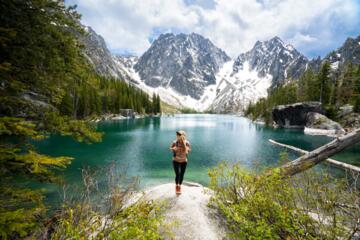
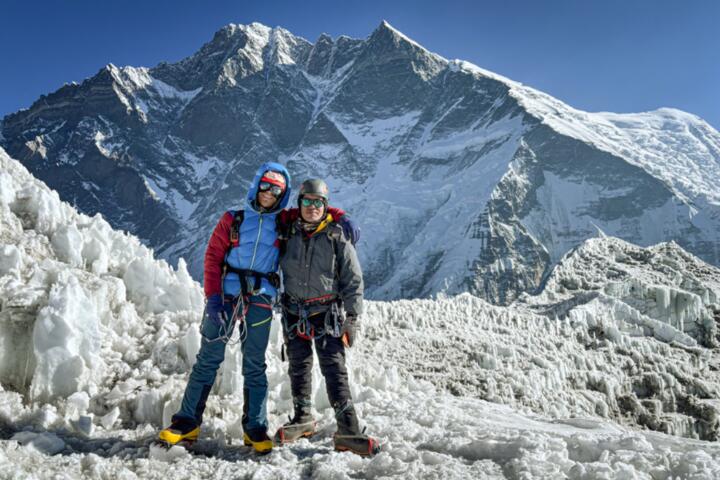
In practice, this means moving beyond the "Seven Summits" cliché to find peaks that offer technical engagement. For instance, while Kilimanjaro is a high-altitude trek, a peak like Ama Dablam requires proficiency in fixed-line transitions and cold-weather bivouacking. The contrast between the jagged summit and the lush valley floor, such as the transition from the Khumbu Glacier to the rhododendron forests of Deboche, defines the aesthetic of the sport.
The global adventure tourism market is currently valued at approximately $325 billion, with high-altitude mountaineering seeing a 15% year-over-year increase in permit applications in regions like Nepal and Peru. Statistics from the Himalayan Database show that success rates on 7,000-meter peaks hover around 45–55%, highlighting the gap between ambition and actual preparation.
Pain Points: Why Most High-Altitude Expeditions Falter
The most significant mistake aspiring climbers make is "ego-climbing," or choosing a peak based on altitude rather than technical progression. Many attempt Aconcagua (6,961m) after only hiking local trails, ignoring the fact that atmospheric pressure at the summit is roughly 40% of that at sea level. This leads to High Altitude Pulmonary Edema (HAPE) or Cerebral Edema (HACE), which are often fatal if not identified within minutes.
Another critical failure is poor logistical management. Relying on "budget" operators who cut corners on oxygen quality, sherpa-to-client ratios, or base camp nutrition can ruin a season. In 2023, several expeditions on Manaslu failed not because of weather, but because of contaminated fuel supplies that rendered stoves useless at Camp 3, preventing climbers from melting snow for hydration.
Inadequate gear testing is the third pillar of failure. Using brand-new boots on a multi-week expedition is a recipe for debilitating blisters. Real-world situations in the Cordillera Blanca have shown that even elite athletes can be sidelined by simple skin infections or digestive issues caused by poor backcountry hygiene, proving that the valley-level preparation is just as vital as the summit push.
Strategic Solutions for Elite Peak Performance
Physiological Pre-Conditioning and Hypoxic Training
Success starts months before you reach the trailhead. Effective preparation involves "Zone 2" aerobic training—keeping your heart rate between 60-70% of its maximum for several hours. This builds mitochondrial density, allowing your body to process oxygen more efficiently. Tools like Uphill Athlete training protocols are the gold standard here. Consider using a Hypoxico altitude tent for pre-acclimatization, which can simulate elevations up to 3,000 meters in your bedroom, reducing the time needed at base camp by 20%.
Technical Gear Synchronization
Your gear must function as a single integrated system. For technical peaks, the "layering system" is non-negotiable. Use a high-wicking Merino base layer (like Smartwool or Icebreaker), a breathable mid-layer (Polartec Alpha), and a Gore-Tex Pro shell (such as the Arc'teryx Alpha SV). For footwear, the La Sportiva G2 EVO offers a double-boot system that prevents frostbite in sub-zero conditions while maintaining the stiffness required for vertical ice climbing.
Strategic Nutrition and Hydration at Altitude
At 5,000 meters, your basal metabolic rate can double. You aren't just burning calories; you are fighting "anorexia of altitude." Use high-calorie, easy-to-digest gels like Gu or Maurten during movement. In the evenings, switch to freeze-dried meals with high sodium content to help retain water. Pro tip: Add electrolytes to every liter of water. Dehydration thickens your blood, significantly increasing the risk of frostbite and stroke.
Advanced Weather Forecasting and Window Analysis
Never rely on a single smartphone app. Professional climbers use subscription services like Meteoblue or Mountain Forecast, focusing specifically on "Jet Stream" movements. A wind speed above 40 km/h on the summit ridge makes a push dangerous due to wind chill and balance issues. Learning to read lenticular clouds—a sign of high-altitude turbulence—can save your life when digital forecasts lag behind real-time shifts.
Navigational Redundancy
While GPS tools like the Garmin inReach Mini 2 are essential for SOS communication and tracking, they are not infallible. Batteries die in extreme cold. Always carry a physical topographic map (1:25,000 scale) and a magnetic compass. Practice "whiteout navigation" in safe environments so that when you are caught in a storm on the South Col, your muscle memory takes over.
Mini-Case Examples: Success vs. Failure
Case 1: The Peruvian Cordillera Expedition
A private team of four aimed to climb Alpamayo (5,947m). They spent six months training with weighted packs and hired a local UIAGM-certified guide from the Peruvian Guides Association. By spending five days trekking the Santa Cruz trail before the ascent, they achieved a 100% success rate. Their controlled ascent rate (no more than 500m of sleeping elevation gain per day) prevented any altitude sickness.
Case 2: The Independent Elbrus Attempt
A solo climber attempted Mt. Elbrus (5,642m) via the North Route. To save money, he skipped the acclimatization hikes and moved from 2,500m to 4,800m in 48 hours. By the time he reached the "Barrels" huts, he exhibited severe ataxia. He was forced to undergo an emergency evacuation via snowcat, costing $3,000 out-of-pocket because his standard travel insurance did not cover "mountaineering activities" above 4,000m.
Mountaineering Readiness Checklist
| Category | Item / Action | Purpose |
|---|---|---|
| Logistics | Global Rescue / Garmin SAR Insurance | High-altitude evacuation coverage |
| Health | Acetazolamide (Diamox) | Prescription aid for acclimatization |
| Gear | Cat 4 Sunglasses / Goggles | Preventing snow blindness (90% UV reflection) |
| Safety | Personal Locator Beacon (PLB) | Emergency satellite signaling |
| Training | 1,000m Vertical Gain Hike | Testing pack weight and boot comfort |
| Nutrition | 4,000 kcal/day meal plan | Countering caloric deficit at altitude |
Common Errors to Avoid
The "summit fever" trap is the most lethal error. Climbers often ignore their "turn-around time"—the predetermined hour when you must descend regardless of how close the summit is. If your turn-around is 1:00 PM and you are 50 meters away, you must still descend. Most accidents happen during the descent when fatigue is high and light is fading.
Ignoring minor symptoms is another pitfall. A "slight headache" at 4,000 meters isn't just a headache; it's the first stage of Acute Mountain Sickness (AMS). Treat it immediately with hydration and rest. If it persists, descend. "Climb high, sleep low" is the golden rule for a reason; your body recovers significantly better when the sleeping elevation is lower than the day's peak height.
Lastly, over-reliance on fixed ropes can lead to a loss of situational awareness. Many climbers in the Himalayas forget how to use their ice axe for self-arrest because they are constantly clipped into a line. Always maintain your fundamental climbing skills; the rope is a safety net, not a replacement for technique.
FAQ
What is the best peak for a first-time high-altitude climber?
Mera Peak (6,476m) in Nepal or Mt. Whitney (4,421m) in the US are excellent entry points. They offer high-altitude experience without requiring extreme technical rock climbing skills, allowing you to focus on your body's reaction to thin air.
Do I really need a guide for 5,000-meter peaks?
If you are not an expert in crevasse rescue, avalanche terrain assessment, and high-altitude medicine, yes. A certified guide provides a safety margin that solo experience rarely covers, especially in glaciated terrain.
How much does a serious climbing expedition cost?
Costs range from $3,000 for a self-supported trip in the Andes to $75,000+ for a high-end guided climb on Everest. Medium-sized technical peaks like Ama Dablam typically cost between $8,000 and $12,000.
Can I use my regular hiking boots for mountaineering?
No. Mountaineering requires "crampon-compatible" boots with stiff soles (B2 or B3 rating). Regular hiking boots flex too much, causing crampons to pop off, which can be fatal on steep ice or hard-packed snow.
How do I prevent "The Screaming Barfies"?
This is the painful sensation of blood returning to frozen fingers. Prevent it by using heated gloves or chemical warmers and, most importantly, by keeping your core temperature high. If your core is warm, your body won't "shun" blood away from your extremities.
Author’s Insight: The Reality of the Vertical Life
In my years navigating the Karakoram and the Alps, I have learned that the mountain doesn't care about your resume or your gear's price tag. The most successful climbers are those who possess "mountain sense"—the ability to listen to the snow's texture and the wind's shift. My best advice is to embrace the sufferfest; high-altitude climbing is 90% mental resilience and 10% physical ability. Never be afraid to turn back; the mountain will be there next year, but you might not be if you push a bad hand.
Conclusion
Climbing the world's great peaks and witnessing the vastness of valley views is a transformative experience, but it demands a professional approach to risk management. Prioritize functional training, invest in high-quality integrated gear systems, and always respect the physiological limits of your body. Start by booking a technical skills course with an organization like AIARE for avalanche safety or the American Alpine Institute. Your "bucket list" should be a roadmap of progression, ensuring that every summit reached is a result of preparation rather than luck.