The Evolution of the Global Cycling Expedition
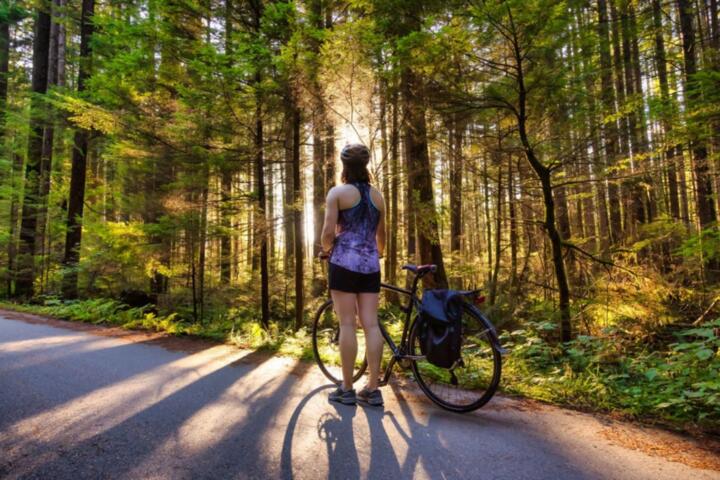
Active travel has transitioned from a niche hobby into a multibillion-dollar industry, with the global bicycle tourism market projected to grow significantly as travelers prioritize wellness and sustainability. Modern cycling "paradise" isn't just about a pretty view; it’s a synergy of asphalt quality, elevation profiles, and the availability of support infrastructure like the EuroVelo network, which spans over 90,000 kilometers across Europe.
In practice, this looks like a rider tackling the Sellaronda in the Dolomites, where every hairpin turn is engineered for drainage and grip, or navigating the Shimanami Kaido in Japan, a 60-kilometer route involving seven bridges specifically designed with dedicated cycling lanes. For example, data from the European Cyclists’ Federation shows that regions investing in dedicated cycle paths see a 20% increase in overnight stays from active travelers, proving that "paradise" is often a result of meticulous urban and rural planning.
The Pitfalls of Mismanaged Active Travel
The most common mistake travelers make is underestimating the "technical debt" of a route. Many enthusiasts book trips based on Instagram-worthy photos without analyzing the Grade Resistance or prevailing wind patterns. Riding a heavy touring bike against a 20 km/h headwind on the Wild Atlantic Way in Ireland can turn a 100-kilometer "scenic stroll" into an exhausting 8-hour ordeal, leading to physical burnout and mechanical failures in remote areas.
Another critical pain point is the "equipment mismatch." Using a standard road bike with 25mm tires for the gravel-heavy sections of the Strade Bianche routes in Tuscany leads to frequent punctures and poor handling. Failure to account for local climate shifts—such as the rapid temperature drops in the Pyrenees—can result in hypothermia, even in mid-summer. These errors don't just ruin the day; they create safety risks that could have been mitigated through data-driven planning and professional logistics.
Strategic Frameworks for a Flawless Ride
Precision Gear Selection for Diverse Terrains
Choosing the right tool for the job is the foundation of E-E-A-T in cycling. For mixed-surface routes like the Great Divide Mountain Bike Route, a gravel bike with at least 45mm tires and electronic shifting (like SRAM AXS) is no longer a luxury—it’s a reliability standard. The wider tire volume allows for lower pressures (around 25-30 PSI), which significantly reduces "chatter" and muscle fatigue over long distances.
In practice, this means consulting gear charts from platforms like Bikepacking.com or using Gear Suite to calculate gear inches. If you are climbing the Ventoux, you need a compact crankset (50/34T) and a wide-range cassette (11-34T) to maintain a sustainable cadence of 80 RPM. Using the wrong gear ratio forces you to "grind" at low cadences, which spikes your heart rate and depletes glycogen stores 30% faster.
Navigational Intelligence and Route Mapping
Relying on Google Maps is a recipe for disaster in active travel. Professional cyclists use Komoot or Ride with GPS, which provide surface-type analysis and heatmaps. These tools allow you to see where other cyclists actually ride, helping you avoid high-traffic arteries or unpaved sections that aren't suitable for your specific bike type.
For instance, when planning a route through the Swiss Alps, these apps provide an "Estimated Moving Time" based on your specific fitness level (measured in Watts per Kilogram). This precision allows you to plan stops at bike-friendly cafes or "Bett+Bike" certified hotels in Germany, ensuring you aren't stranded after sunset.
Logistics: Shipping vs. Renting
The "Ship vs. Rent" debate is settled by duration and technicality. For a 3-day weekend in Mallorca, renting a high-end Pinarello or Specialized from a local hub like Huerzeler is cost-effective (approx. €50-€80/day) and removes the risk of airline damage. However, for a 14-day trek, shipping your custom-fitted bike via BikeFlights ensures ergonomic consistency, preventing the knee strain often caused by slight misalignments on rental frames.
Nutritional Periodization for Multi-Day Tours
Cycling in "paradise" requires a professional approach to fueling. You should aim for 60-90 grams of carbohydrates per hour. Using brands like Maurten or Precision Fuel & Hydration helps avoid gastrointestinal distress because their hydrogel technology encapsulates the carbohydrates. On a 100km ride with 2,000 meters of climbing, you will likely burn 2,500 to 3,000 calories; failing to "pre-fuel" the night before leads to the "bonk"—a total metabolic shutdown.
Mechanical Self-Sufficiency
Expert travelers carry a "rescue kit" that goes beyond a spare tube. This includes a derailleur hanger specific to their bike frame, a quick-link for chain repairs, and a CO2 inflator for tubeless reseating. In remote sections of the Andes or the Scottish Highlands, a broken $20 part can end a $5,000 trip. Professional guides recommend practicing a "trailside repair" of your specific tubeless setup before leaving home to ensure your sealant hasn't dried out.
Real-World Success Stories in Cycle Touring
Case Study 1: The Trans-Pyrenean Logistics Overhaul
A group of ten amateur riders attempted the Trans-Pyrenean route (from the Atlantic to the Mediterranean). Initially, they faced a 40% dropout rate due to aggressive 120km daily stages. By hiring a support service like Eat Sleep Cycle, which provided a "sag wagon" (support vehicle), professional mechanical support, and curated nutrition, the completion rate rose to 100% on the subsequent year's attempt. The group saved an average of 90 minutes per day on mechanical adjustments alone.
Case Study 2: The Digital Nomad on the Shimanami Kaido
An individual traveler used Strava's "Route Builder" and local Moshi Moshi bike rental services to navigate Japan's premier cycling route. By opting for an e-bike (Pedelec) with a Bosch motor, they maintained an average speed of 22 km/h despite the bridge inclines, allowing them to complete the route in 4 hours while having enough energy left to explore the islands on foot. This choice increased their "scenic engagement" time by 30% compared to traditional road cyclists.
Comparison of Premier Cycling Destinations
| Destination | Best Bike Type | Difficulty (1-10) | Peak Season | Key Infrastructure |
|---|---|---|---|---|
| Girona, Spain | Road / Gravel | 6 | Mar - June | Professional Pelotons, Bike Cafes |
| Otago Rail Trail, NZ | Hybrid / MTB | 3 | Dec - Feb | Repurposed Railway, Flat Grade |
| Dolomites, Italy | Performance Road | 9 | July - Sept | Sellaronda Bike Day (Car-free) |
| Cape Town, SA | Road | 7 | Nov - March | Chapman's Peak Drive (Dedicated Lanes) |
| Lofoten, Norway | Touring / E-bike | 5 | June - Aug | Tunnels with bike detection sensors |
Essential Checklist for the Active Traveler
- Pre-Trip Biomechanical Fit: Ensure your saddle height and reach are optimized by a professional (using systems like Retül) to prevent repetitive strain.
- Insurance Verification: Confirm your travel insurance (e.g., World Nomads) specifically covers "cycling as a primary activity" and expensive equipment.
- Digital Redundancy: Download offline maps on Wahoo ELEMNT or Garmin Edge units; never rely on a cellular signal in mountain passes.
- Hydration Strategy: Plan water refills every 40km. In arid regions like Utah, use a CamelBak to supplement frame bottles.
- Emergency Protocol: Install WhatsApp or Telegram to share live locations with your support contact or hotel.
Avoiding Common Pro-Level Blunders
One major error is "over-packing." Every kilogram of extra weight requires roughly 3-5 extra Watts to move uphill at a 6% grade. Use lightweight bikepacking bags from Apidura or Ortlieb instead of heavy pannier racks if you aren't camping.
Another mistake is ignoring "Local Traffic Laws." In France, cyclists must wear a high-visibility vest outside of built-up areas at night or in low visibility. Fines are steep, and local police (Gendarmerie) do enforce them. Lastly, don't forget to check the "Direction of Travel." On the Pacific Coast Highway in the USA, you should always ride North to South to stay on the ocean side of the road for the best views and wider shoulders.
FAQ: Navigating the Logistics of Paradise
Q: Is an e-bike considered "cheating" for scenic routes?
A: Absolutely not. E-bikes democratize access to high-altitude routes like the Grossglockner High Alpine Road. They allow mixed-fitness groups to stay together and extend your daily range by up to 50%.
Q: How do I handle bike repairs in a foreign language?
A: Use visual apps like Google Lens to translate technical manuals, but more importantly, learn the "universal language" of the bike shop. Carrying a spare derailleur hanger (which is brand-specific) is the most important thing you can do, as a shop can fix a chain, but they likely won't have your specific hanger in stock.
Q: What is the best way to transport a bike on European trains?
A: Many high-speed trains (like the TGV) require a bike to be in a bag or box. Regional trains usually have dedicated "Velo" carriages. Always check the SNCF or Deutsche Bahn app for "bicycle space" reservations, as they are mandatory on some routes.
Q: How do I avoid "saddle sore" on a 7-day tour?
A: Use high-quality bib shorts with a multi-density chamois (e.g., Assos or Castelli) and apply chamois cream liberally. Never wear brand-new shorts on a long trip; "break them in" during training.
Q: What is the most scenic car-free route in the world?
A: The Via Green (Vias Verdes) in Spain or the Katy Trail in the USA offer hundreds of kilometers of dedicated, car-free cycling on old railway lines, perfect for those prioritized safety and tranquility.
Author’s Insight
In my fifteen years of riding across six continents, I’ve learned that the "paradise" part of a route is only as good as your lowest gear. I once attempted the Annapurna Circuit with a standard setup and ended up walking 40% of the climbs. My biggest takeaway? Invest in your contact points—saddle, shoes, and tires. If your body isn't screaming in pain, your eyes are free to actually soak in the scenery. Always remember: it is better to have an extra 32T cog and not need it than to need it and be staring at a 12% incline for three miles.
Conclusion
Cycling through the world's most scenic landscapes is a delicate balance of physical preparation and logistical precision. By prioritizing data-backed route planning, selecting terrain-appropriate gear like 45mm gravel tires or compact gear ratios, and utilizing advanced navigation tools like Komoot, you elevate your journey from a simple ride to a professional-grade expedition. Focus on the details of nutrition and mechanical self-sufficiency to ensure that your focus remains on the horizon, not on a roadside repair. Start your planning by auditing your current gear against your dream route's elevation profile—your future self on a mountain pass will thank you.