Articles

City 07 SEP 2026

What to Pack for a City Break

Packing for a city break is mostly about managing walking distance, weather swings, and daily routines without overpacking. This guide helps travelers plan a practical kit for comfort, hygiene, and basic health needs, with examples for short trips and mixed weather. You’ll learn how to choose clothing layers, what to pack in a day bag, how to handle medications and documents, and which items to skip to avoid clutter and stress.

291
Beach 06 SEP 2026

What Snorkeling Beginners Should Know

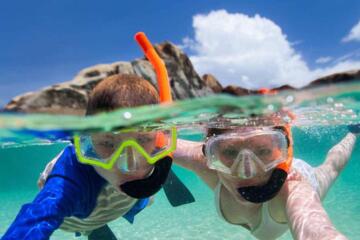
Snorkeling is a water activity that combines swimming skills with safe breath control and basic gear use. This guide is for beginners planning a first trip, including families and casual travelers. You’ll learn how snorkeling works, what can go wrong, how to choose and fit mask and fins, how to manage breathing and buoyancy, and when to skip the water. Practical checklists and common mistakes help you plan responsibly.

314
Culture 05 SEP 2026

Why Dress Codes Vary at Cultural Sites

Dress codes at cultural sites differ because each place follows its own religious, historical, and visitor-safety rules. This guide helps travelers interpret common requirements at temples, churches, mosques, synagogues, and museums. You’ll learn why rules change by region and site type, how to plan clothing that fits multiple destinations, and what to do when rules conflict with weather or accessibility needs. Practical examples and a checklist reduce surprises at entry.

502
Romantic 04 SEP 2026

Why Privacy Costs More at Resorts

Resort privacy often comes with higher fees, tighter rules, and more monitoring. This guide explains the practical reasons privacy costs more: staffing, access control, data handling, and risk management. It helps travelers evaluate resort privacy claims, compare policies, and plan safer choices for room access, communications, and personal data. You’ll learn what to ask before booking, what trade-offs to expect, and how to reduce privacy exposure without overspending.

383
Family 03 SEP 2026

Why Slower Trips Work Better With Kids

Slower travel helps children cope with sleep disruption, sensory overload, and frequent schedule changes. This guide explains how trip pacing affects stress, behavior, and family logistics, with practical examples for road trips and city breaks. You’ll learn how to plan daily rhythm, choose transport, manage meals and downtime, and set realistic expectations for toddlers through school-age kids. It also covers common planning mistakes and a checklist to compare faster versus slower itineraries.

299
City 02 SEP 2026

Why Trail Ratings Are Not Standardized

Trail ratings help hikers compare routes, but they do not follow one universal system. This article explains how difficulty labels vary by country, agency, and even season, and why the same trail can feel different to different people. You’ll learn what rating terms usually measure, which supporting details matter more than the number, and how to check maps, elevation, surface, and weather before you go.

403
City 01 SEP 2026

Why Public Transit Beats Taxis in Most Cities

Public transit and taxis both move people, but they behave differently for cost, time reliability, safety, and stress. This article explains why buses, subways, and trams often outperform taxis for everyday trips in many cities. You’ll learn how fares, traffic patterns, headways, and service coverage affect real outcomes, plus how to choose the right option for your route. Practical examples and a decision checklist help you plan with fewer surprises.

351
Beach 31 AUG 2026

Why Morning Is the Best Time at the Beach

Morning beach time supports comfort and safety: cooler air, lower sun intensity, calmer crowds, and often gentler surf. This guide explains how morning conditions affect skin, hydration, and breathing comfort, and why tides and wind matter. It also covers common planning mistakes, practical steps for a safer routine, and realistic examples for families and solo travelers. You’ll learn what to check before you go and how to adjust if weather or tides change.

476
Culture 30 AUG 2026

How to Time a Visit Around a Local Holiday

Planning travel around a local holiday affects crowds, transit reliability, opening hours, and health-related access like pharmacies and clinics. This guide helps travelers who need predictable routines—families, people with medication schedules, and anyone with mobility needs—choose dates, build a buffer plan, and verify services. You’ll learn how holiday calendars work, what to check before booking, how to plan transport and prescriptions, and how to avoid common timing mistakes.

461
Romantic 29 AUG 2026

How to Choose a Honeymoon Season

Choosing a honeymoon season affects weather, crowds, costs, and how well you can stick to health routines like sleep, hydration, and medication timing. This guide helps couples plan by comparing seasonal patterns, destination-specific risks, and travel logistics. You’ll learn how to read forecasts, check medical and food safety considerations, plan for jet lag, and build a short decision checklist before booking flights and lodging.

542