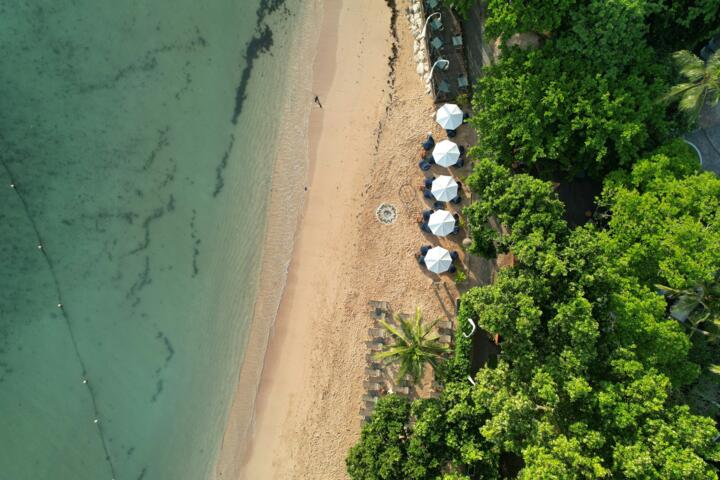
Morning Beach Benefits
Morning at the beach tends to combine cooler temperatures, lower sun angle, and fewer people on the sand. Those factors change how your body handles heat, glare, and exertion, which affects comfort and safety more than most travelers expect.
In many coastal locations, the air temperature rises after sunrise while the sand and water warm more slowly. That timing can reduce heat stress during walking, swimming, and sand play. Sun intensity also increases as the day progresses; the sun’s angle is higher later, which increases glare and can raise the risk of sunburn even when the air feels mild.
Morning conditions often bring lighter winds and smaller waves, though this varies by coast and season. When wind is lower, salt spray and sand blowing into your eyes and nose decrease, which can matter for people with sensitive airways or contact lenses. Crowds also shift your experience: you spend less time navigating umbrellas and more time choosing a spot with better footing and shade.
Practical example: if you plan a 60–90 minute beach walk, starting 1–2 hours after sunrise usually means less heat load and fewer interruptions. If you plan a swim, you still need to check tide and local surf conditions, because morning calm can change quickly.
Common Morning Mistakes
People often treat “morning” as a synonym for “safe,” then skip the checks that actually drive risk. Sunburn risk depends on UV index and skin type, not on the clock. Wind and tide determine water conditions, not the fact that it is early.
Another frequent error is arriving late and assuming the beach will stay calm. Coastal weather can shift within hours, and morning winds can strengthen as the sea breeze develops. If you only look at a forecast once, you may miss a change in wave height or rip current risk.
Hydration gets overlooked too. Cooler morning air can feel less dehydrating, yet you still lose fluids through breathing, sweating during walking, and sun exposure once you start moving. A dry mouth or headache later often traces back to under-drinking, not to “bad luck.”
Finally, people sometimes ignore the supporting systems that shape morning conditions: tide tables, local lifeguard flags, and surf reports. Those sources reflect real-time or near-real-time conditions, while general advice about “gentle mornings” stays vague. If you rely only on memory from past trips, you may misjudge the current day’s tide cycle.
Plan Smarter For Mornings
Check Tide And Surf First
Use a tide table for your specific beach and date, then cross-check with a surf or beach-safety source that reports wave conditions and rip current warnings. Morning can coincide with incoming or outgoing tide; either can affect how quickly water moves around sandbars and channels. If lifeguards post flags, treat them as the final word for swimming that day.
Realistic outcome: if you time your swim for a period of lower wave energy and avoid strong-current windows, you reduce the chance of getting pulled into channels. You still need to swim within your comfort range and stay aware of changing water color and foam patterns.
Small aside: I often see travelers check a tide app once and then forget to refresh it. Tide changes are gradual, but surf conditions can change faster than the tide itself.
Match Sun Protection To UV
Morning sun can still burn skin, especially with high UV index days. Look up the UV index for your location and plan sunscreen and shade accordingly. Use broad-spectrum sunscreen and reapply based on the product label, particularly after swimming or heavy sweating.
Practical numbers: many sunscreen labels recommend reapplication every 2 hours, and sooner after swimming. If you wear sunglasses, choose ones that block UV and wrap around enough to reduce side glare. A hat with a brim helps more than a cap when the sun is low and glare hits from the side.
Side observation: on bright mornings, sand reflects light upward, which can increase exposure on the face and shoulders even when you feel “cool.”
Reduce Heat Stress Early
Start with a light routine: a short walk, a gradual warm-up before swimming, and breaks in shade. Even if the air feels comfortable, the combination of sun reflection, exertion, and saltwater can fatigue you. If you plan to stay longer, shift activities as the temperature rises.
Hydration targets vary by body size and activity, but a simple approach works: drink water before you feel thirsty, then keep sipping during your session. If you sweat, consider electrolytes, especially for longer beach days. For children, use smaller, more frequent drinks; they often resist large amounts at once.
Tool suggestion: a basic weather app plus a beach-safety page gives better context than either alone. I checked a local UV widget on 2026-06-14 and noticed the UV index climbed faster than the air temperature, which changed my sunscreen timing.
Plan For Wind And Comfort
Wind affects breathing comfort, eye irritation, and how sand sticks to skin. If you wear contact lenses, consider bringing glasses for the windiest stretch; sand can scratch lenses and irritate eyes. A lightweight towel or small blanket helps create a clean sitting area so you do not spend the morning brushing sand off your clothes.
If you have asthma or seasonal allergies, watch for triggers like blowing sand and sea spray. Choose a spot slightly sheltered from wind and keep an inhaler accessible if your clinician has prescribed one. Avoid intense exertion if you notice wheezing or chest tightness.
Realistic outcome: reducing wind exposure often improves comfort within minutes, because irritation from sand and spray drops quickly when you move to a calmer area.
Educational Case Examples
Family With Kids
A family with two children plans a beach morning for sand play and a short swim. They check the tide chart for the day, then arrive before the tide turns strongly. They set up near a lifeguarded area and follow the posted flag guidance.
They apply sunscreen before leaving the car, then reapply after the kids swim. They pack water bottles and offer small sips every 20–30 minutes. When the sea breeze picks up around late morning, they shift from long walks to shaded breaks and shorter swims.
The result is fewer sunburn scares and less fatigue. The parents also avoid the common mistake of waiting until the afternoon to “see how it goes,” because they already know the morning conditions and the likely changes.
Solo Traveler Managing Sensitivity
A solo traveler with sensitive eyes and mild seasonal allergies chooses a morning session to reduce glare and wind-driven irritation. They bring sunglasses with UV protection and keep a pair of glasses in the bag for windy periods. They also choose a beach segment with calmer water and less sand blowing.
They check a local beach-safety page for rip current warnings and do not enter the water when warnings are posted. Instead, they do a longer shoreline walk and wait for conditions to improve. When the UV index rises, they add a brimmed hat and reapply sunscreen.
This approach reduces eye irritation and helps them avoid pushing into conditions that do not match their comfort level. It also keeps the day enjoyable even when the morning shifts toward stronger wind.
Morning Checklist For Decision Support
| What To Check | Good Morning Signal | Watch-Out | Your Next Step |
|---|---|---|---|
| Tide Timing | Swim window matches your comfort | Incoming/outgoing tide increases current | Adjust swim time; stay near shore |
| Surf And Flags | Lifeguards allow swimming | Rip current or high surf warning | Skip swimming; follow posted guidance |
| UV Index | Lower UV than midday | UV still high enough to burn | Sunscreen, hat, reapply after swimming |
| Wind And Spray | Less sand in eyes | Sea breeze increases irritation | Move to sheltered spot; use glasses |
| Hydration | You drink before thirst | Dry mouth, headache later | Sip regularly; consider electrolytes for long stays |
Common Mistakes To Avoid
Assuming “morning” means low UV leads to under-protection. UV index can remain high early in summer, and reflective sand increases exposure on the face and shoulders.
Skipping tide and surf checks leads to avoidable water risk. Rip currents and strong channels can occur at any hour, and lifeguard flags reflect real conditions that day.
Overpacking sunscreen and underpacking water is another pattern. Cooler air can mask dehydration, and beach walking adds steady exertion.
Relying on a single source can also mislead. A forecast may show “calm” while local winds or wave sets change; a quick check of lifeguard status and a recent surf update helps.
Finally, people sometimes plan a long swim without a gradual warm-up. Cold water can trigger discomfort and reduce control of breathing, especially for people who are not used to it.
FAQ
Is Morning Safer Than Midday?
Morning can feel safer due to cooler temperatures and fewer crowds, but water hazards depend on tide, wind, and surf. Use lifeguard flags and local warnings for swimming decisions.
Can You Get Sunburn Early?
Yes. UV intensity can still be high in the morning, and sand reflection increases exposure. Check the UV index and reapply sunscreen as the label directs.
Do Tides Matter For Beach Walking?
Tides affect where sandbars, channels, and wet-sand areas appear. Even for walking, tide timing changes footing and how quickly water reaches certain areas.
What If The Wind Picks Up?
Move to a more sheltered spot, protect eyes with sunglasses or glasses, and shorten time in the windiest area. If you notice breathing symptoms, reduce exertion and follow your asthma/allergy plan.
How Much Water Should I Bring?
There is no single number for everyone, but drink before thirst and keep sipping during your session. For longer stays or heavy sweating, consider electrolytes and adjust for your activity level.
Author's Insight
Morning beach time often improves comfort because temperature, glare, and crowd density change after sunrise. Those benefits do not remove the need for standard safety checks tied to UV, tide, and surf.
Evidence-based planning focuses on measurable inputs: UV index for sun risk, tide timing for water movement, and lifeguard flags for current conditions. When you combine those with basic hydration and wind-aware clothing, your day becomes more predictable.
If you travel with children or have respiratory sensitivity, the morning window can reduce triggers, but it still requires monitoring as conditions evolve through the morning.
I recommend building a short routine you can repeat each trip: check flags, confirm tide timing, pack water, then re-check UV before you stay longer than planned.
Key Takeaways
- Morning often reduces heat stress and glare, but sunburn risk still depends on UV index and reflection.
- Water safety depends on tide, wind, and surf; lifeguard flags and local warnings matter more than the time of day.
- Hydration and wind comfort deserve planning even when the air feels cooler.
- Use a simple checklist before you enter the water or stay for hours, then adjust if conditions change.