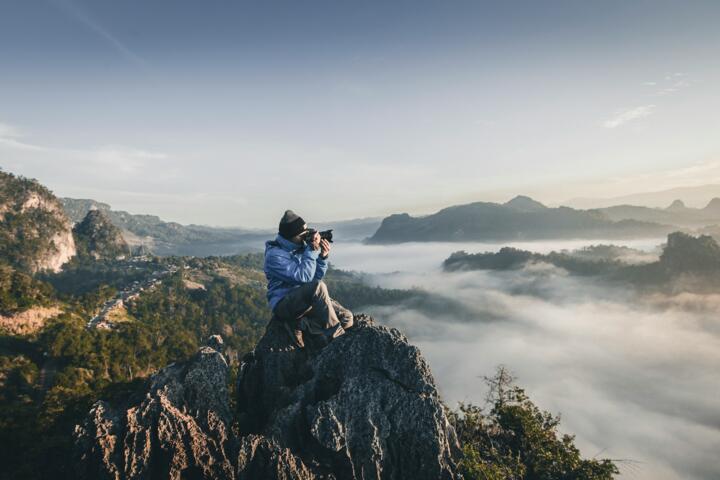
Adventure Travel Basics
Adventure travel combines physical activity, cultural immersion, and interaction with nature in often unconventional settings. It ranges from trekking through Nepal’s Himalayas to diving with sharks in South Africa. A practical metric is that adventure tourism has grown by 65% over the last 10 years worldwide, according to the Adventure Travel Trade Association (ATTA). This growth reflects travelers’ desire for meaningful, challenging experiences.
Examples include Ecuador’s Galápagos Islands for wildlife exploration, or New Zealand’s Queenstown, dubbed the “Adventure Capital of the World,” offering bungee jumping, jet boating, and skydiving. Notably, destinations that offer a blend of physical challenge, cultural richness, and environmental uniqueness rank highest among adventurous travelers.
Adventure Challenges
Lack of Research Leads to Risks
Travelers often underestimate the logistics, safety risks, and physical demands. For example, insufficient acclimatization in high-altitude areas like Peru’s Machu Picchu can cause altitude sickness, sidelining trips and endangering health.
Commercialization Dilutes Authenticity
Popular spots like Thailand’s Full Moon Party attract crowds that shift the focus from unique experiences to commercial tourism. This compromises the authenticity that adventure travelers seek.
Environmental Impact and Over-tourism
Without responsible travel, ecosystems suffer. The Galápagos Islands face challenges balancing visitor access with conservation, forcing strict visitor limits and regulations.
Financial Overruns and Accessibility Issues
Hidden costs such as guide fees, gear rentals, or permit charges can inflate budgets. Remote destinations may also lack reliable infrastructure — for example, malaria risks in parts of the Amazon require preventive measures and add to trip expenses.
Solutions and Tips
Thorough Pre-Trip Research
Use trusted platforms like Lonely Planet and ATTA for up-to-date travel advisories, suggested gear, and local operator contacts. Researching climate, best travel periods, and cultural norms avoids surprises and enhances safety.
Engage Certified Local Guides
Certified guides not only ensure safety but enrich the experience by offering insider knowledge. For instance, hiring a guide through Peru’s Salkantay Trek company dramatically increases chances of completing the hike safely and learning about local cultures.
Invest in Quality Gear
Brands like The North Face and Patagonia offer durable, lightweight adventure clothing and equipment suited to extreme conditions. Proper gear reduces injury risk and improves comfort, crucial for activities like trekking or kayaking.
Choose Sustainable Operators
Look for eco-certified adventure companies such as REI Adventures or G Adventures who implement Leave No Trace principles and support local conservation projects. Sustainable choices protect ecosystems and support local economies.
Prepare Physically and Mentally
Regular fitness routines tailored to the activity type — like hiking cardiotraining or scuba diving lessons — improve endurance and safety. Mental preparedness includes educating yourself on emergency protocols and cultural etiquette.
Travel Case Studies
Case 1: Intrepid Travel in Patagonia
Problem: Tourists inexperienced in mountain trekking faced high incidence of injuries during Patagonia expeditions.
Solution: Intrepid implemented mandatory pre-trip fitness assessments and provided detailed preparatory training materials.
Result: Over 90% of clients completed treks without incident, customer satisfaction rose by 25%, and repeat bookings increased.
Case 2: Oceanic Diving Adventures, South Africa
Problem: Diving excursions suffered from inconsistent safety practices and lack of environmental awareness.
Solution: Partnered with PADI to certify all instructors and invested in eco-awareness programs for divers.
Result: Safety incidents dropped by 40%, and the company received ‘Green Diver’ certification, attracting a larger eco-conscious clientele.
Planning Checklist
| Step & Action | Tools / Services | Expected Outcome |
|---|---|---|
| 1. Destination research | Lonely Planet, ATTA | Informed decisions |
| 2. Permits & Insurance | Insurance providers | Risk management |
| 3. Certified operators | Intrepid, REI Adv. | Cultural insight |
| 4. Quality gear prep | North Face, Patagonia | Injury prevention |
| 5. Conditioning | Gyms, Coaching apps | Endurance gains |
Mistakes to Avoid
Ignoring Local Customs
Adventure travelers sometimes neglect cultural sensitivity, leading to strained relations or disrespect. Reading local etiquette guides and asking questions respectfully avoids misunderstandings.
Overpacking or Underpacking
Carrying excess gear causes fatigue; lack of essentials can jeopardize safety. Use packing lists tailored for each destination and activity.
Skipping Acclimatization
Failing to adapt to high altitudes or climates increases health risks. Allocate rest days and consult health professionals for advice.
Relying Solely on Online Reviews
Reviews may not reflect current conditions. Cross-reference with official advisories and expert feedback.
Underestimating Physical Requirements
Choose activities that match your fitness level. Gradually increase intensity in training to prevent injury and frustration.
FAQ
What defines an adventure travel destination?
An adventure travel destination typically offers challenging activities such as trekking, diving, or cultural immersion in unique, often remote environments that involve physical exertion and authentic experiences.
How can I ensure my safety during adventure travel?
Prioritize choosing certified guides, inform yourself about risks, get appropriate vaccinations, carry necessary gear, and maintain communication plans with family or authorities.
Are adventure travel destinations suitable for beginners?
Many destinations offer graded experiences from beginner to expert. Research and pick experiences aligned with your skills and physical fitness to ensure enjoyment and safety.
Which brands are recommended for adventure travel gear?
Trusted brands like The North Face, Patagonia, Columbia, and Arc’teryx provide high-quality, durable equipment suitable for various adventure travel conditions.
How does sustainable travel impact adventure destinations?
Sustainable practices help preserve natural habitats, support local communities, and maintain the integrity of adventure experiences for future travelers, minimizing negative environmental and social effects.
Author's Insight
Having trekked the Himalayas and explored Amazonian rainforests firsthand, I’ve learned that preparation is the linchpin of adventure travel success. It’s not just about the thrill but respecting the terrain, culture, and your limits. Using certified guides transformed my trips by unlocking local narratives and ensuring safety. I advise travelers to embrace sustainable practices—choosing operators who safeguard environments ensures these wonders remain for future adventurers. Meticulous planning paired with an open mindset is your gateway to truly transformative travel experiences.
Summary
Adventure travel offers unparalleled opportunities for growth, challenge, and connection with the world. To transform your trip into a true adventure, invest time in research, partner with certified local experts, equip yourself properly, and prioritize sustainability. Avoid common mistakes like ignoring health risks and cultural norms. With these practical strategies, your next journey can be exhilarating, safe, and deeply rewarding.