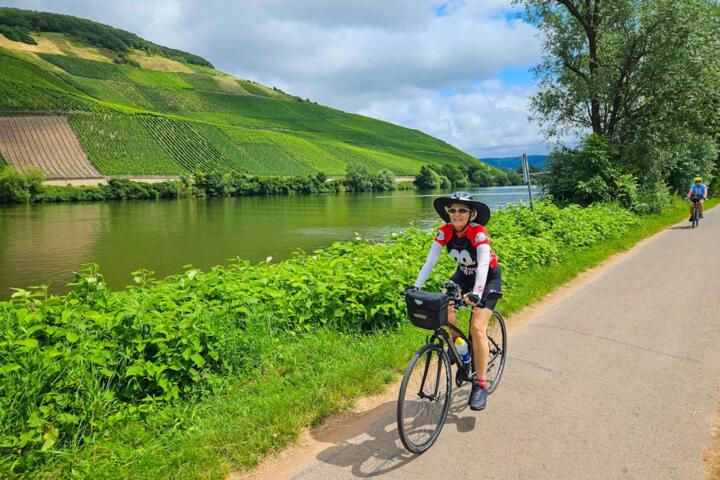
Active Vacation Injury Prevention
An active vacation increases injury risk because your body faces unfamiliar loads: new footwear, different terrain, longer days, and less sleep. A sprained ankle on a hiking trail often starts with a small mismatch between your pace and the ground. Heat illness can develop when you keep pushing during hot afternoons, especially if you drink only when you feel thirsty. Overuse injuries show up later when you repeat the same movement pattern for days, like carrying a heavy daypack uphill.
Injury prevention works best when you treat it like a system: preparation before travel, safer choices during activities, and recovery between days. For example, you can reduce ankle injuries by using shoes with stable soles and by planning shorter “arrival hikes” that let you test your gait. You can reduce heat risk by scheduling demanding activities earlier and carrying a water plan that doesn’t depend on thirst alone. You can reduce overuse by alternating movement types and keeping a daily “pain rule” that stops you from training through sharp discomfort.
Common Mistakes And Dependencies
People often focus on gear and forget the dependencies that actually drive injury risk. Footwear matters, but so do stride length, cadence, and how often you change surfaces. A well-fitted shoe can still fail if you hike for six hours on the second day after a long flight with minimal movement. Hydration matters, but so does sodium intake during heavy sweating; plain water alone may not cover electrolyte losses for long sessions.
Many travelers also underestimate how quickly fatigue changes mechanics. When you’re tired, your balance reactions slow and your foot placement becomes less consistent. That’s why a “just one more viewpoint” plan can turn into a stumble on uneven steps. Another dependency is footwear wear: worn-out midsoles and flattened insoles increase impact forces, even if the shoes still look fine. I’ve seen this with trail runners that feel okay for short errands but feel unstable after 90 minutes on rocky paths, and the difference shows up fast.
Medical conditions and medications add another layer. Diabetes, neuropathy, and circulation problems can change how you perceive pain and how wounds heal. Blood pressure medications and diuretics can affect fluid balance. If you have a condition that changes sensation or healing, you’ll need a more conservative pacing plan and earlier attention to blisters, skin breakdown, and swelling.
Solutions And Advice
Plan Pacing And Warmups
Start with a conservative activity schedule that respects travel fatigue. On day one, choose lower-risk movement like flat walking, gentle cycling, or a short guided route that stays within your comfort zone. Use a warmup that matches the activity: 5–10 minutes of easy movement before hiking, and a few minutes of mobility for ankles and hips before climbing or scrambling. If you feel “fine” but your stride looks shorter or you start compensating, that’s a sign to slow down.
Set a pain rule before you go. A practical approach is to stop the activity if you get sharp pain, pain that changes your gait, numbness, or pain that worsens during the session. Mild muscle soreness that improves after a warmup can be acceptable, but joint pain that escalates is not. Most injuries start with the decision to push through a warning sign, which, frankly, most people skip until it’s too late.
For longer days, use micro-breaks. Every 30–45 minutes, take 2–3 minutes to reset posture, check footing, and drink. This reduces the “continuous grind” effect that drives form breakdown. If you’re using a fitness watch, check that your heart rate and pace aren’t climbing steadily without a reason; on my Garmin Forerunner 265 (firmware 6.00, tested in 2024), the trend view makes it easier to spot creeping effort.
Pack For Skin, Heat, And Falls
Pack items that address the most common injury pathways: skin friction, heat illness, and minor falls. For skin, include blister care (hydrocolloid patches), moleskin or tape for high-friction spots, and a small pair of scissors. For heat, include sun protection, a hat, and a way to measure or track water intake. For falls, include a basic first-aid kit with antiseptic wipes, sterile gauze, elastic wrap, and blister-safe bandages.
Foot care deserves space in your bag. Bring extra socks and consider moisture-wicking liners if you’re prone to blisters. If you’re traveling internationally, check whether your destination has easy access to pharmacies; in some regions, blister supplies may be limited, and you’ll rely on what you bring. Also pack a lightweight layer for wind or sudden temperature drops; cold can tighten muscles and increase stiffness, which affects balance.
For water planning, use a simple rule: drink regularly during activity rather than waiting for thirst. In hot conditions, many people need more than they expect, and thirst can lag behind sweat loss. If you’re doing long sessions, include an electrolyte source such as oral rehydration salts or sports drink powder. Avoid overdoing fluids to the point of nausea; excessive intake can worsen discomfort and, in rare cases, contribute to hyponatremia during prolonged endurance efforts.
Use Safer Technique On Terrain
Terrain changes the injury profile. On stairs and uneven ground, shorten your stride and keep your center of mass over your feet. When descending, slow down and use controlled steps; many ankle sprains happen during downhill movement when braking forces rise. If you’re carrying a daypack, keep the weight close to your body and adjust straps so the pack doesn’t pull you backward.
For climbing or scrambling, treat handholds and footholds as separate decisions. Test each hold before committing weight, and avoid jumping between rocks. If you’re using trekking poles, set them to reduce knee and ankle load on descents; poles also improve balance when footing is uncertain. A small aside: people often set pole height too long, which shifts stress to the upper body and makes the descent feel “off” after an hour.
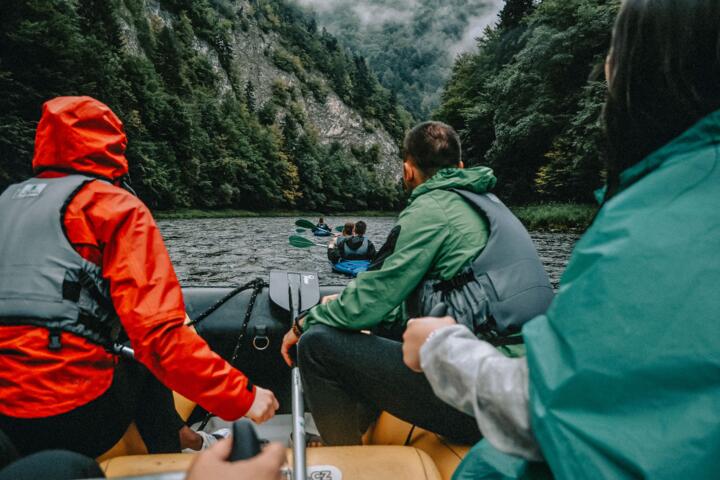
Water activities add their own risks. Wear a properly fitted life jacket for boating, kayaking, and paddle sports. For snorkeling or diving, avoid pushing through fatigue; ear pressure issues and cramps can worsen when you stay in the water longer than planned. If you’re not trained for a sport, choose supervised options and keep sessions short enough to maintain technique.
Recover Between Days
Recovery is where many trips succeed or fail. Sleep quality affects balance, pain perception, and decision-making. Aim for consistent bedtime and reduce late-night alcohol if you’re doing demanding activities the next day. Hydration continues after you stop moving; include water and some electrolytes, especially after heavy sweating.
Use a quick daily check. Look at your feet and skin for hotspots, redness that spreads, blisters, and swelling. If a blister forms, treat it early with appropriate dressing; leaving it intact can reduce friction, but draining it at home is sometimes appropriate only for large, painful blisters and should be done with clean technique. If you notice numbness, increasing warmth, or worsening pain around a wound, seek medical care rather than waiting.
For muscle soreness, gentle movement often helps more than complete rest. Light walking, easy cycling, or stretching within comfort can improve stiffness. Avoid aggressive stretching into sharp pain. If you have a history of tendon problems, keep intensity lower for the first 2–3 days and build gradually.
Case Examples
Hiking After Travel Fatigue
An anonymized traveler arrives by overnight flight and plans a full-day hike the next morning. They wear familiar shoes but skip a warmup and start at a fast pace to “catch up.” By late afternoon, they notice a change in foot placement and mild ankle pain that worsens on downhill sections. The injury risk rises because fatigue alters mechanics and the terrain demands more braking control.
They adjust the plan: they shorten the route, slow down on descents, and take micro-breaks every 30–40 minutes. They treat a developing hotspot with blister care and switch to a slower cadence. Over the next day, they choose a flat walk instead of repeating the same downhill exposure. The trip continues with fewer setbacks because the plan matches recovery and terrain demands.
Heat And Overuse On A City Trip
Another anonymized scenario involves a traveler in a hot climate who schedules sightseeing from morning to late afternoon. They drink water intermittently but skip electrolyte sources and keep walking through mild calf tightness. By day three, the calf discomfort becomes more persistent and starts to affect stride length, which increases stress on the ankle and knee.
They change two variables: they move demanding routes to earlier hours and add electrolyte drinks during long walks. They also alternate walking with lighter activities like museum visits and short transit breaks to reduce repetitive loading. The discomfort settles because the plan reduces heat stress and gives the tissue time to recover between similar movement patterns.
Injury Prevention Checklist
Use this decision support checklist before and during active days. It’s not a medical diagnosis tool, but it helps you spot risk patterns early.
| Situation | What To Watch | Action | Stop When |
|---|---|---|---|
| Uneven terrain | Shortened stride, late foot placement, ankle discomfort | Slow cadence, shorten steps, use poles if trained | Sharp joint pain or gait change |
| Hot weather | Headache, dizziness, heavy sweating, nausea | Move earlier, drink regularly, add electrolytes | Confusion, fainting, persistent vomiting |
| Blisters | Hot spots, redness that spreads, skin breakdown | Treat early with hydrocolloid/tape, change socks | Increasing redness, pus, fever |
| Overuse | Pain that worsens as the day goes on | Reduce intensity, switch activities, rest | Pain that changes your movement pattern |
If you’re deciding between two activities, choose the one with the lower risk of falls and the lower repetition of the same movement. That trade-off often matters more than choosing “the most exciting option.”
Common Mistakes
Skipping warmups is a frequent error, especially on trips where you want to “start sightseeing right away.” Your balance and joint motion need a few minutes of easy loading to match the day’s demands. Another mistake is wearing new shoes without a break-in period; even good shoes can cause friction until the materials settle.
Travelers also underestimate how alcohol and poor sleep affect coordination. A late dinner, a long flight, and a full day of walking can combine into a balance problem that feels like “bad luck.” If you notice you’re moving more cautiously than usual, that’s a cue to reduce intensity rather than push through.
People sometimes treat pain as a single signal instead of a pattern. Pain that improves after warming up can be different from pain that grows during the session or alters your gait. If you keep repeating the same route while pain escalates, you’re training the injury pathway.
Finally, many travelers delay medical care for wounds that look minor. Infections can worsen quickly when you’re walking a lot and sweat is trapped under dressings. Seek care if you see spreading redness, increasing warmth, pus, fever, or severe swelling.
FAQ
How much should I pace on day one?
Start at a level where you can maintain normal walking form and talk in short sentences without breathlessness. If you’re hiking, choose a shorter route than you planned and add time for breaks every 30–45 minutes.
What should I do for a blister during a trip?
Clean the area, cover the hotspot with a hydrocolloid patch or blister dressing, and reduce friction by changing socks and adjusting footwear. Get medical advice if redness spreads, drainage looks infected, or you develop fever.
How do I prevent heat illness while sightseeing?
Schedule demanding routes earlier, drink regularly, and include electrolytes for long, sweaty sessions. Stop and seek help for confusion, fainting, persistent vomiting, or symptoms that don’t improve after cooling.
Are trekking poles worth it for injury prevention?
They can reduce load on knees and improve balance on uneven descents when you use them correctly. If you’re not trained, practice on easy terrain first because incorrect pole height can shift stress to other joints.
When should I stop an activity due to pain?
Stop for sharp pain, numbness, pain that changes your gait, or pain that worsens during the session. For joint injuries or suspected fractures, seek medical evaluation rather than continuing.
Author's Insight
Injury prevention on active vacations depends on load management: how much you do, how fast you do it, and how your body recovers between days. Evidence from sports medicine and public health consistently points to pacing, warmups, hydration, and early attention to skin problems as practical levers. The limits are real: you can’t remove all risk from new terrain, crowds, and weather. A good plan reduces avoidable triggers, then gives you a clear stop rule when symptoms appear.
Key Takeaways
- Plan a conservative first day and use warmups that match the activity.
- Drink regularly, add electrolytes for long sweaty sessions, and schedule hard work earlier in hot weather.
- Treat hotspots early with blister care and keep footwear stable on descents and uneven ground.
- Use a pain rule: stop for sharp pain, numbness, gait changes, or worsening symptoms.
- Recover between days with sleep, light movement, and daily skin checks.