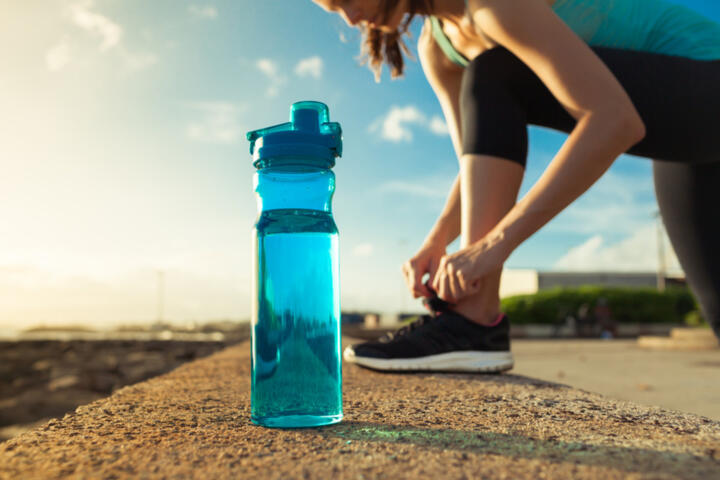
Hydration On Active Trips
Hydration during active travel means matching fluid intake to sweat losses, breathing rate, and heat exposure so your body can keep regulating temperature. On a long hike in warm weather, sweat can rise quickly, and thirst lags behind the body’s fluid needs. On a cold day, you can still lose water through breathing and wind-driven evaporation, especially during fast movement. A practical plan uses a starting estimate, a drinking schedule, and feedback from how you feel and what your urine looks like.
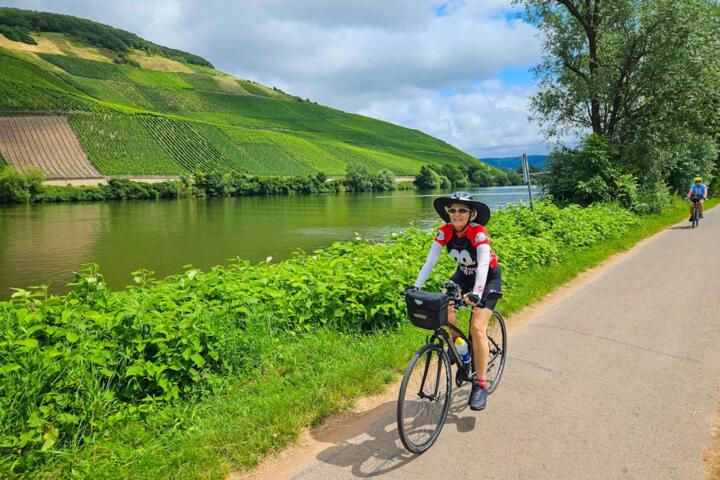
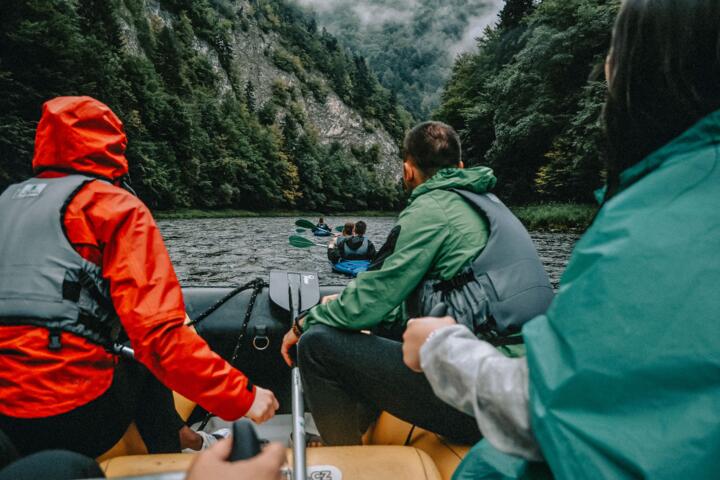
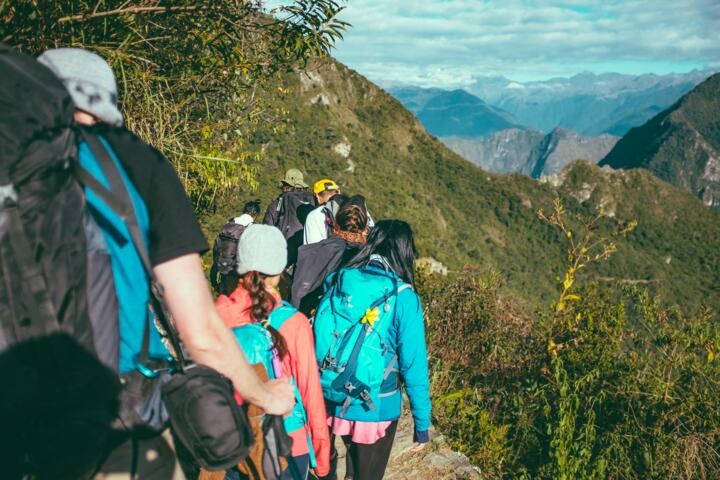
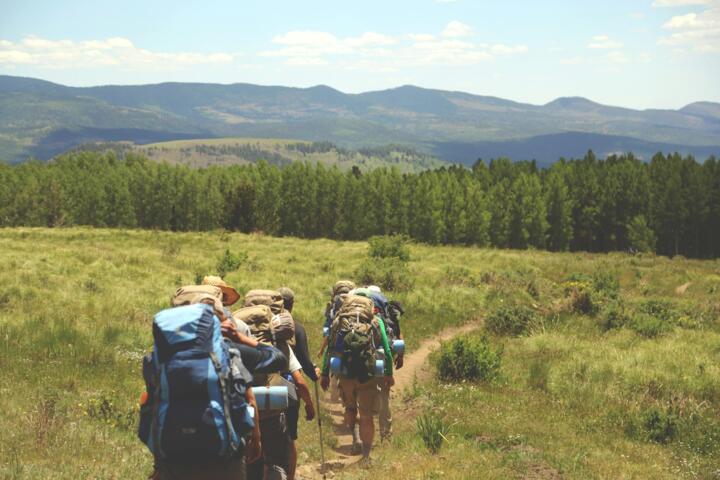
For example, a 6–8 mile morning hike in 80°F (27°C) with steady effort often leads to noticeable thirst by mid-route, but early sipping helps prevent a late-day slump. If you’re cycling or paddling, you may drink less because you’re focused on pace and route; placing bottles where you can reach them without stopping changes the outcome. If you’re walking in dry air, you may feel “fine” while still losing fluid, which is why monitoring matters.
Hydration is not only water. Sodium and other electrolytes move with sweat, and replacing only plain water can be a poor fit for long, heavy-sweat efforts. At the same time, many sports drinks contain sugar, which can help during prolonged moderate-to-high intensity work but can also upset some stomachs. The right balance depends on duration, intensity, temperature, and your tolerance.
Common Hydration Mistakes
People often start with a fixed bottle count and stop thinking once they pack it. That approach ignores heat, wind, clothing, and pace, all of which change sweat rate. Another frequent mistake is waiting for thirst, even though thirst is a late signal during exercise. You may feel thirsty after you’ve already crossed into mild dehydration.
Some travelers overcorrect by drinking large amounts at once. Overhydration can dilute blood sodium, which can be dangerous during prolonged exertion, especially when paired with low-sodium intake. This risk is higher when people drink far beyond sweat losses for hours, often while also consuming little salt. The safest pattern is steady intake guided by thirst and route conditions, not chugging.
Electrolytes get mishandled in both directions. Using only water during long, salty-sweat sessions can lead to headaches, cramps, or nausea for some people, while relying on very sweet drinks can cause stomach discomfort. Many “electrolyte mixes” also vary widely in sodium per serving, so reading the label matters more than the brand name.
Supporting technologies affect hydration planning. Weather apps estimate heat index and humidity, but they do not measure your sweat rate. Wearables can track heart rate and activity time, which helps estimate intensity, yet they still cannot tell you how much you’re sweating. A practical dependency is your ability to observe cues like urine color, body weight changes, and how you feel during breaks.
Plan Fluids With Real Numbers
Estimate Sweat And Start Small
A useful method is to estimate sweat rate from a prior similar activity. Weigh yourself before and after a workout of known duration, then subtract water consumed and account for any bathroom losses. For example, if you lose 1.0 kg (2.2 lb) over 60 minutes and drank 0.3 L, your net sweat loss is about 1.0 L per hour. This is not perfect, but it’s more grounded than guessing.
If you cannot weigh, start with a conservative baseline and adjust. Many active travelers aim for roughly 0.4–0.8 L per hour during moderate heat, then increase if you’re sweating heavily and the weather is hot. In cooler conditions or lower intensity, the range can drop. You’ll refine the plan after one or two trips, which is usually faster than trying to perfect it on day one.
Use A Drinking Schedule
Instead of drinking only at water stops, set a rhythm tied to effort. A common approach is to take small sips every 10–20 minutes and finish a larger portion during planned breaks. If you’re hiking, you can drink at the start of each segment and again after a steady climb. If you’re cycling, you can drink during cadence changes rather than waiting for a full stop.
Carry enough to avoid long gaps. If your route has uncertain water access, plan for worst-case spacing between sources. A side observation from route planning: on a 2024 summer day hike, the “one refill stop” assumption failed because the stream was lower than expected, and the group ended up rationing. That experience was frustrating, but it made the value of conservative spacing obvious.
Choose Water And Electrolytes
Plain water works for shorter efforts and cooler conditions, especially when you’re not sweating heavily. For longer sessions or high-sweat conditions, include sodium. Sports drinks can help when you also need carbohydrate, but they’re not required for every trip. Electrolyte tablets and powders vary in sodium content, so compare labels and avoid assuming “electrolytes” means “enough sodium.”
For many travelers, a practical target is to include some sodium during multi-hour exertion in heat. If you’re using an electrolyte product, follow its serving size rather than doubling because you feel sweaty. If you have a medical condition that affects sodium or fluid balance, follow clinician guidance instead of general advice.
Watch Cues And Adjust
Use feedback signals rather than a single number. Mild dehydration cues include darker urine, reduced urine frequency, headache, dizziness when standing, and unusual fatigue. If you notice these, slow down and drink, then reassess. If you’re peeing clear urine very frequently and still feel bloated or nauseated, you may be overdrinking.
Body weight changes during a trip can guide adjustments, but avoid weighing repeatedly during the day if it disrupts your routine. A simple check is to compare morning and evening weight on multi-day trips when you can. Keep in mind that food intake and clothing affect readings, so look for trends rather than exact values.
Educational Case Examples
Scenario 1: Warm-weather hike with limited water. A traveler plans a 3-hour loop in 86°F (30°C) with one refill point. They start with small sips every 15 minutes, aiming to finish about half a liter before the first refill. At the refill point, they add an electrolyte mix to one bottle and continue with steady sipping. By late afternoon, urine is light yellow and energy stays stable, suggesting the plan matched sweat losses.
Scenario 2: Cold, windy day with long effort. Another traveler does a 2.5-hour brisk walk in 35°F (2°C) with strong wind. They feel less thirsty than expected and almost skip drinking, then notice a dry mouth and mild headache near the end. They switch to sipping at regular intervals and use a warm drink during breaks. The next day they keep a small bottle accessible, since wind-driven evaporation and fast breathing still increase water loss.
Hydration Checklist For Decisions
| Situation | Drink Pattern | Electrolytes | What To Watch |
|---|---|---|---|
| Under 60 min, mild temps | Sips as needed; finish a bottle if thirsty | Usually optional | Thirst, dry mouth, urine color after |
| 60–180 min, warm or humid | Small sips every 10–20 min | Add sodium if sweat is heavy | Headache, dizziness, darker urine |
| Over 3 hours, high effort | Plan intake to avoid long gaps; don’t chug | Use electrolyte product or salty foods | Balance: avoid clear-urine overdrinking |
| Multi-day trip | Hydrate morning and after exertion | Replenish sodium with meals | Cumulative fatigue, urine trends |
Step-by-step checklist you can use before leaving:
- Check temperature, humidity, and wind for the route window.
- Estimate duration and intensity, then pick a baseline intake range per hour.
- Pack enough water to avoid long gaps between sources.
- Decide whether to include sodium based on expected sweat and trip length.
- Set a drinking rhythm tied to breaks or time intervals.
- Plan a “feedback moment” halfway through to reassess thirst and urine color after the trip.
Common Mistakes To Avoid
Skipping water planning because you assume “there will be something” along the way leads to rushed decisions and inconsistent intake. Even well-marked trails can have seasonal water changes, and urban routes can have limited access during certain hours. Build a plan that works if the refill point is delayed or unavailable.
Another mistake is treating all electrolyte products as interchangeable. Sodium content per serving differs, and some mixes include little sodium. If you rely on electrolytes for heavy-sweat days, read the label and match the serving size to your needs rather than guessing.
Many travelers also ignore stomach tolerance. Sports drinks and electrolyte mixes can cause nausea when taken too concentrated or too fast. If you’re trying a new product, test it on a shorter outing first, since your gut response during exertion can differ from rest.
Finally, people sometimes ignore medical context. Conditions that affect kidney function, heart failure, or blood pressure can change safe fluid and sodium targets. If you have such a condition, follow clinician guidance and carry any prescribed instructions for hydration.
FAQ
How much water should I drink per hour?
A common starting range for moderate activity in warm conditions is about 0.4–0.8 L per hour, adjusted by sweat level, heat, and how you feel. Use thirst and post-activity urine color as feedback, and avoid large “catch-up” drinking.
Do I need electrolytes on every trip?
Electrolytes matter most when trips last longer, involve heavy sweating, or include high heat. For short, mild outings, plain water often works, but long efforts in warm weather usually benefit from some sodium.
Can I drink too much while hiking?
Yes. Drinking far beyond sweat losses for hours can dilute blood sodium and increase risk of hyponatremia, especially when paired with low sodium intake. Steady sipping beats chugging, and you should not aim for constant clear urine.
What does dehydration feel like during exercise?
Common signs include headache, dizziness when standing, unusual fatigue, and darker or less frequent urine after the activity. If symptoms are strong or worsening, stop activity and seek medical help.
How should I hydrate in cold weather?
Cold conditions still cause water loss through breathing and wind-driven evaporation. Drink at regular intervals, use warm fluids during breaks, and watch for dry mouth or headache as cues to adjust.
Author's Insight
Hydration planning works best when it treats fluid intake as a variable tied to sweat and heat rather than a fixed number. Evidence-based guidance from sports and public health sources emphasizes matching intake to losses, avoiding both dehydration and overhydration, and using sodium when sweat is heavy. Labels on electrolyte products matter because sodium content varies widely. A practical next step is to run one controlled test on a familiar route, then adjust your schedule for the next trip.
Key Takeaways
- Use a baseline intake range, then adjust with thirst, symptoms, and post-trip urine color.
- Drink steadily on a schedule; avoid long gaps and avoid chugging.
- Add sodium for longer, high-sweat efforts, and read electrolyte labels for actual sodium per serving.
- Plan for route uncertainty so you do not ration late in the day.
- If you have medical conditions affecting fluids or sodium, follow clinician guidance rather than general advice.