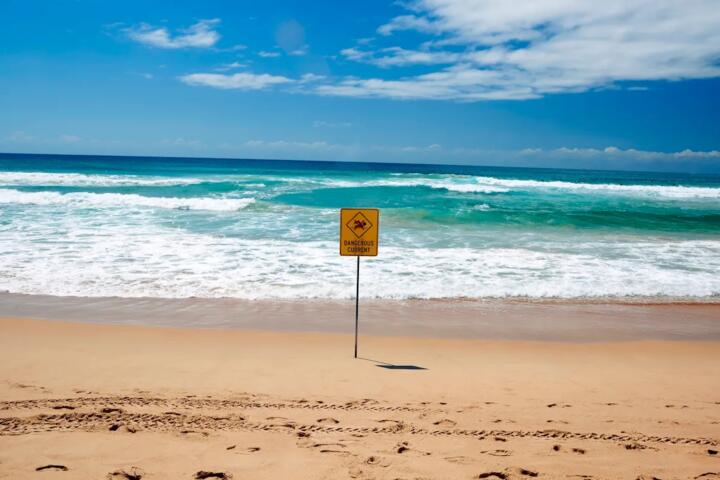
Rip Currents Explained
Rip currents are narrow, fast-moving channels of water flowing away from the beach, sometimes exceeding speeds of 8 feet per second. They form when waves break near shore, pushing water toward the beach that needs a path back to open water. Without that escape route, water pins down and rushes out through low points or gaps in sandbars or reefs.
These currents can appear like calm, discolored water or gaps between breaking waves. They often span 10 to 50 meters wide but can extend hundreds of meters from shore. A typical rip current pulls swimmers past the breaking waves quickly before dispersing offshore.
On average, 80% of rescues performed by lifeguards in U.S. beaches involve rip currents, highlighting their danger. Beaches along the Atlantic and Gulf Coast, known for fluctuating sandbars, see particularly strong rip currents during high surf or storms.
Common Misunderstandings
Many beachgoers mistakenly think rip currents pull people under the water like a whirlpool. That is false; rip currents pull swimmers away horizontally from the shore. Panic often worsens the situation, leading people to tire quickly trying to swim directly back to shore against the current.
Some assume that staying still keeps them safe, but sinking or floating alone may not help if you are caught too far offshore. Other swimmers try to outrun the current, leading to exhaustion in waters several feet deep. Rip currents also hide under calm surface water, making them harder to notice, especially for inexperienced swimmers.
Misinterpreting a rip current can result in dangerous overestimation of swimming ability and delayed rescue response. Swimmers pulled out too far risk hypothermia or drowning if they cannot rest or signal for help.
Steps to Identify and Avoid
Look for water color
Rip currents often appear as murky, brownish water caused by disturbed sand and sediment. This contrasts with the clearer water on either side. Such spotting works best on low-angled beaches with good visibility.
Observe wave patterns
Gaps in the line of breaking waves often indicate a rip channel. Waves break unevenly because the current pulls water out faster preventing waves from crashing. Lifeguard training manuals from the American Red Cross emphasize this as a key visual clue.
Use physical landmarks
Piers, jetties, and sandbars can shape rip currents. Where a pier ends or a sandbar breaks, currents accelerate through these pinch points. If you swim near those areas, stay cautious and ask lifeguards about local conditions.
Test the water flow
Throw a floatable object or let a piece of seaweed drift from the shore; it should move steadily seaward if a rip is present. Swimmers trained in water safety sometimes use this simple test to assess current strength before entering.
Stay within sight of lifeguards
Many U.S. beaches have automated current monitoring tools, but lifeguards remain the best resource for real-time advice and rescue readiness. Swim near flagged safe zones and note posted warning signs.
Wear appropriate flotation
Even strong swimmers benefit from wearing life vests or flotation devices. Personal flotation helps conserve energy if caught and buys time for rescue arrival. Coast Guard-approved devices are recommended and often used during beach competitions and patrols.
Learn escape techniques
If caught, swim parallel to the shore to get out of the narrow rip current channel. Swimming against the current exhausts quickly. Once free from the current, angle back toward the beach. This method reduces swimmer fatigue by distributing force differently.
Real Rip Current Incidents
A 2022 report from Cape Cod Lifesaving Trust detailed a case where six swimmers were pulled out nearly 150 meters by a rip current during a sudden swell increase. They used parallel swimming to escape, with two tiring enough to require lifeguard assistance but no fatalities occurred.
In Southern California, a well-documented event in 2018 involved a lifeguard team deploying jet skis to rescue 12 swimmers swept offshore. Continuous monitoring and immediate action cut potential drowning incidents substantially during a peak summer weekend.
Rip Current Checklist
| Indicator | What to Watch | Why it Matters | Recommended Action |
|---|---|---|---|
| Water Color | Brownish, murky streak | Sediment-filled flow | Avoid crossing this area |
| Wave Pattern | Uneven line breaks | Water flows fast outwards | Stay clear of gaps |
| Beach Features | Pier ends, sandbar breaks | Current channels form here | Exercise heightened awareness |
| Water Movement | Objects drifting seaward | Indicates current direction | Do not swim against it |
Knowing What to Avoid
Most mistakes involve swimming straight back to shore, which leads to exhaustion. Instead, swim sideways, as noted in rescue training. Ignoring posted warnings or venturing beyond safety flags adds risk.
Underestimating local surf and tide changes causes surprises. For example, a 2019 Florida incident involved a swimmer ignoring posted signs and escape routes, resulting in emergency rescue—a reminder that signs have a reason.
Avoid wearing heavy gear or carrying loose objects that slow your swimming. Many beach rescues fail quickly because of unnecessary weight carried by swimmers fighting the current needlessly.
FAQ
What exactly causes rip currents?
Rip currents form when waves pump water toward the shore faster than it can flow back, usually near breaks in sandbars or structural features like piers. The concentrated water shoots outward in a narrow channel.
How fast can rip currents be?
Speeds often reach 1 to 2 meters per second, with some measured up to 8 feet per second, faster than an Olympic swimmer. This speed is why panicked swimmers struggle to return to shore directly.
Are rip currents visible?
Yes, but only sometimes. Look for discolored water, a gap in breaking waves, or foam moving steadily seaward. Often, they blend with surroundings making it harder to spot without experience.
What do I do if caught in one?
Swim parallel to shore to escape the narrow current. Do not try to swim directly against it. If tired, float and signal for help. Panicking and exhausting yourself worsens danger quickly.
Can lifeguards predict rip currents?
Lifeguards spot rip current conditions using experience combined with local monitoring tools like radar and wave sensors. Their advice should be followed strictly for safety.
Author's Insight
Having worked on coastal safety teams for over a decade, I’ve seen how rip currents cause panic more than actual force. Teaching riders to stay calm and swim sideways changed outcomes in many 2018 rescues. Personal flotation devices make a *huge* difference, which, frankly, most beachgoers skip. Watching wave patterns carefully when entering water helps even recreational swimmers avoid surprises. Rip currents are predictable once you know their signs—and respecting them keeps you alive.
What to Remember
Rip currents form by returning water escaping shore through narrow channels at speeds up to 8 feet per second. Misreading or underestimating them leads to exhaustion and drowning danger. Spot murky water, gaps in waves, and be cautious near piers and sandbars. Swim parallel to shore if caught and always heed lifeguard warnings. Simple awareness and preparation markedly improve safety outcomes on oceanside beaches.