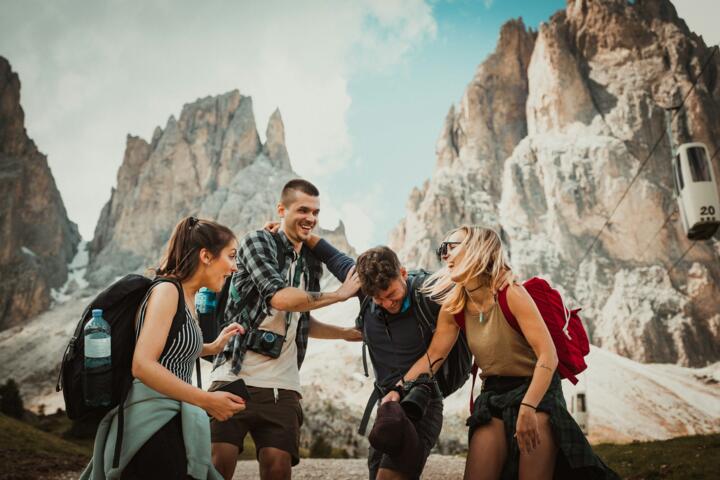
Understanding sustainable travel
Sustainable adventure travel means exploring nature and cultures while minimizing harm to ecosystems and communities. Choosing a remote glacier hike or a trek through rainforests—both popular choices—requires thoughtful preparation. Adventure tourism contributes about 20% to global tourism revenues but carries hidden costs, including habitat disruption and carbon emissions. With growing travelers seeking meaning alongside thrill, the burden on fragile environments intensifies. Aim to cause the least disruption, not just to tick an eco-friendly box.
For example, opting for a local guide reduces environmental damage and supports community livelihoods. A 100-mile hike with sustainable camping differs vastly from one in a heavily trafficked area stripped of vegetation.
Common trip planning mistakes
Many adventure seekers focus solely on the thrill, ignoring long-term consequences. Booking flights to destinations with fragile ecosystems without considering alternatives leaves a large carbon footprint. Selecting gear without regard to materials or durability leads to waste and resource depletion. Not researching local customs and environmental laws can cause inadvertent harm or offend communities. These oversights often result in habitat degradation, loss of biodiversity, and diminished traveler experiences.
Picture a group leaving behind plastic waste near a pristine trailhead—simple negligence with lasting effects. Even well-intentioned travelers overpack or rely on single-use plastics, which add to landfill pressures thousands of miles away.
Ways to plan smarter trips
Choose low-impact transport
Decide on trains or buses instead of planes when possible; they emit roughly 80% less CO2 per passenger mile. Carpooling to trailheads or renting electric vehicles reduces pollution. Booking direct flights, fewer legs mean lower emissions. Apps like Rome2rio or BlaBlaCar show sustainable options. On my last Patagonia trip, I cut travel emissions by 30% by combining a bus to the nearest hub with a local shuttle.
Pack environmentally friendly gear
Look for brands committed to sustainability, like Patagonia or Cotopaxi, which use recycled materials. Ditch single-use plastics—bring a reusable water bottle and biodegradable toiletries. Light gear means fewer resources consumed during manufacture and easier transport. Use repair kits to extend gear life instead of replacements. I carry a simple multi-tool (think Leatherman Wave version 4.3) that has saved me from buying new items in the wild.
Support local businesses
Hire local guides, stay in family-run lodges, and buy food from village markets. This practice generates income for communities, encouraging conservation instead of exploitative activities. Many responsible operators disclose the percentage of profits invested locally. Look for certification programs like GSTC or Fair Trade Tourism to verify claims. Last year, supporting a community-run camp in Nepal helped sustain conservation efforts around Annapurna.
Minimize waste production
Plan meals using minimal packaging; bulk-buy snacks and use cloth bags. Implement pack-in, pack-out rules strictly—even the tiniest scraps attract wildlife and pollute. Solar chargers reduce reliance on disposable batteries or generators. Some camping areas now enforce zero-litter policies. I witnessed one ranger fining visitors who left food wrappers, stressing community vigilance helps improve compliance.
Respect wildlife and habitats
Observe animals from a distance to avoid stress or behavioral changes; feeding wildlife disrupts natural diets. Stick to marked trails to prevent soil erosion and plant damage. Using established campsites consolidates impact areas. Avoiding night hikes preserves nocturnal species. One mistake I saw was a group straying off path to photograph a rare bird, disturbing its nesting. Avoid that impulse.
Plan for carbon offsetting
Calculate trip emissions with tools like Carbon Fund or MyClimate, then invest in verified projects—reforestation or renewable energy. Offsets don't cancel out impact but mitigate it meaningfully when direct reduction isn't achievable. Airlines like KLM and Delta offer voluntary offset options during booking. For longer adventures, offset costs often add less than $50 to the total.
Engage in cultural learning
Study local customs, languages, and environmental practices before departure. Participate respectfully in cultural events and leave no trace. Awareness prevents missteps that harm both locals and traveler reputations. Visiting indigenous tourism initiatives like Bolivia’s Yawanawa ecotourism shows how intertwined culture and sustainability thrive. This learning deepens the experience substantially.
Use technology thoughtfully
Apps like iOverlander and AllTrails help find sustainable routes and accommodations with environmental ratings. Offline maps reduce battery use and data-hungry GPS. Carry power banks charged from renewable sources if possible. Avoid constant device updates on the go, which drain energy unnecessarily. I leave my spot tracker on an energy-saving mode that baffled me at first but works reliably.
Choose slow travel
Stay longer in fewer places rather than rushing through many. This reduces transportation emissions and deepens engagement with a location’s ecosystem. Slow travel encourages walking or cycling, which further trims carbon output. A two-week trip focused in one area generally produces 40% less emissions than hopping across three countries. It also feels richer.
Short case examples
One example is the Costa Rican eco-lodge ""La Selva Verde,"" which faced excessive waste and water usage. They installed solar panels, switched to composting toilets, and educated guests on sustainable practices. Water consumption dropped 35%, waste by 60%, and occupancy increased as eco-conscious tourists preferred their property.
Another case involved a trekking company in Nepal experiencing trail degradation near Everest Base Camp. They launched a program charging a small sustainability fee, which funds trail maintenance and waste collection. Trail conditions improved markedly, and client satisfaction rose 20% based on post-trip surveys.
Planning checklist
| Step | Action | Benefit | Tools |
|---|---|---|---|
| Transport | Select train, bus, or electric car | Lower emissions | Rome2rio, BlaBlaCar |
| Gear | Buy recycled, durable equipment | Reduces waste | Patagonia, Cotopaxi |
| Local support | Hire locals, shop village markets | Boosts economy | GSTC certified |
| Waste | Pack reusables, pack out trash | Protects ecosystems | Solar charger |
| Wildlife | Observe distantly, respect habitats | Less disruption | Trail maps |
| Carbon | Offset emissions | Mitigate impact | Carbon Fund |
| Cultural | Learn customs, visit respectfully | Better relations | Local NGOs |
| Technology | Use offline maps, power banks | Saves battery, less waste | AllTrails, Spot Tracker |
| Speed | Stay longer in fewer places | Lower emissions, deeper experience | Trip planners |
Common mistakes and fixes
Skipping research leaves travelers vulnerable to mistakes like visiting during breeding seasons or wet seasons, which increase environmental damage. Overpacking causes excess fuel use and waste. Ignoring local customs risks alienating hosts and missing meaningful exchanges. Forgetting reusable gear leads to buying disposables on site. To avoid this, check environmental calendars, pack light, learn basic phrases, and prep sustainable kit well ahead.
Over-reliance on gadgets without backups spells trouble—battery dies, and so does navigation. Plan analog options. Book accommodations labeled eco-friendly but read reviews; some claims are greenwashing. Select guides with verified credentials.
FAQ
What counts as sustainable gear?
Equipment made from recycled or renewable materials, designed to last, and repairable. Brands like Patagonia and Cotopaxi provide certifications.
How do I reduce carbon on far trips?
Minimize flights, choose direct routes, offset emissions via trusted programs, and use local transport once there.
Can supporting local businesses actually help?
Yes. It creates economic alternatives to harmful exploitation and funds conservation through local involvement.
What mistakes hurt wildlife most?
Approaching closely, feeding animals, or leaving waste in habitats damages ecosystems and harms animals.
Is slow travel feasible for short vacations?
Yes. Focusing on one destination reduces transit emissions and deepens the experience, even in a few days.
Author's Insight
After years trekking remote wildlands, I learned the hardest part is the mindset shift—choosing restraint over impulse. Real adventure isn't about speed or amount but the depth of your journey and respect for the places you visit. Simple acts, like carrying extra trash bags or deliberately picking a slower bus over a quick flight, accumulate positive impacts. These choices shape the legacy we leave on trails and in communities.
Summary
Plan with care: pick greener transport, invest in gear wisely, support local economies, and respect wildlife habitats. Use tech to aid—not replace—your judgment. Offsetting emissions makes sense, but direct actions matter most. Adopt these grounded steps and your adventure becomes a force for good, preserving places future travelers will thank you for.