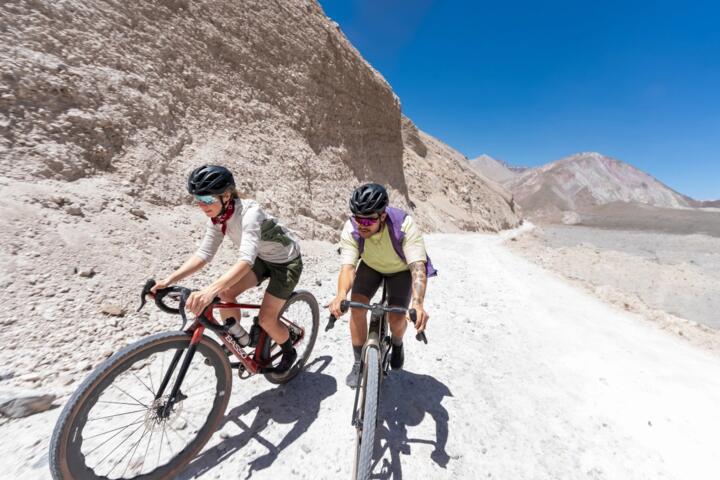
Altitude Changing Travel
Altitude affects active travel by altering the environment in ways that directly impact human performance and comfort. For example, at 2,500 meters above sea level, oxygen concentration drops enough to reduce aerobic capacity, meaning cyclists and hikers get fatigued faster. According to NOAA, air pressure decreases by about 25% at that height compared to sea level, which lowers oxygen availability.
Such conditions force travelers to adjust pace and effort. Someone cycling in Denver at roughly 1,600 meters will experience more breathlessness than in coastal cities. Similarly, the cold temperatures typical at high elevations influence clothing choice, impacting mobility and comfort.
The differences in temperature and air density also affect the mechanical aspects of active travel; for instance, thinner air changes aerodynamic drag and requires tiny tweaks to bike handling. I once noticed my usual hill sprint sets felt heavier at Mammoth Lakes, 2,200 meters, despite the same power output recorded on my Garmin Edge 830.
Altitude’s effect can start subtly around 1,500 meters but intensifies by 3,000 meters, where many start to face symptoms of altitude sickness if unprepared.
Common Challenges Faced
People underestimate altitude's impact by applying sea level strategies to high elevations. They might expect the same pace or distance but soon tire or suffer headaches and dizziness. The body becomes less efficient at delivering oxygen to muscles due to lower atmospheric pressure.
Ignoring these physiological changes risks reduced endurance, dehydration, and sometimes, serious health problems. Hikers climbing too fast to 3,000 meters without acclimation often develop acute mountain sickness symptoms. Cyclists racing at elevation may see power drops of 10% or more. These factors degrade performance and enjoyment.
Gear choices also prove tricky. Insulation layers misjudged for colder environments or hydration systems not adjusted for drier air worsen discomfort. Logistics like access to water sources become unpredictable, and solar exposure rises, increasing dehydration risk.
Misjudging these conditions often means aborted trips or injuries, which frustrates travelers unfamiliar with altitude demands.
Practical Altitude Strategies
Gradual acclimatization
Ascend slowly to allow physiological adaptation. Spending one or two days at intermediate altitudes between 1,500 and 2,500 meters helps the body increase red blood cell production. For example, trekking tours in the Andes often recommend a day of rest for every 600 meters gained beyond 2,400 meters.
Hydration focus
Altitude dehydrates faster, so increase fluid intake by 20-30% compared to sea level. Use electrolyte-rich drinks like Nuun or Skratch Labs to replace salts lost through sweat and breathing. Carry a CamelBak or similar system for easy access during travel.
Staged effort management
Reduce pace and break times frequently, especially above 2,000 meters. Monitor heart rate zones using a chest strap monitor like Polar H10; expect higher beats at lower power output. Short intervals and extended warm-ups prevent overexertion and keep oxygen demands manageable.
Appropriate clothing layers
Weather shifts rapidly at altitude, so wear moisture-wicking base layers combined with windproof jackets and insulated mid-layers. Fabrics like merino wool or synthetics balance warmth and breathability better than cotton. I recommend Patagonia’s Capilene and Arc'teryx Beta SL for their durability and adaptability.
Nutrition timing
Consume easy-to-digest carbohydrates every 40-60 minutes during prolonged efforts, to offset appetite suppression common at altitude. Energy gels from GU or Clif provide quick fuel and maintain glucose levels, preventing energy slumps.
Equipment calibration
Adjust bike tires to lower pressure at altitude for better traction on rough terrain, while correcting power meter calibration for air density changes. Newer Garmin units handle elevation corrections automatically; I use a firmware release 5.50 to keep data accurate.
Sun protection
Higher UV intensity demands SPF 50+ broad spectrum sunscreen and polarized sunglasses. My preference is Oakley Radar EV sunglasses with Prizm lenses designed for mountain conditions. Apply sunscreen every two hours to avoid burns that impair movement.
Emergency preparedness
Carry altitude sickness medication like acetazolamide if traveling above 3,000 meters. Know symptoms of severe hypoxia; a portable pulse oximeter can track blood oxygen saturation below 90%, indicating risky low levels. Apps like First Aid by American Red Cross add handy checklists and protocols.
Route planning considering altitude
Choose paths that offer incremental elevation gains and nearby access points for emergency descent. Maps from AllTrails or Gaia GPS provide detailed contour lines and user reports on altitude difficulty, improving safety and navigation.
Examples from the Field
Company: Summit Cycling Tours. Problem: Clients struggled to maintain pace above 2,000 meters on organized rides in Colorado. They introduced staged acclimatization stops, hydration protocols, and altitude adaptive coaching. Results: Riders improved average climbing speed by 15% over three months, with fewer altitude-related complaints.
Independent athlete: Sarah, an urban commuter in Salt Lake City (elevation ~1,300 m), faced fatigue and dehydration on longer rides. After adjusting her hydration strategies and gear as per altitude guidelines, she extended her commute range by 30% and reduced breathlessness.
Altitude Travel Checklist
| Item | Purpose | When Needed | Example |
|---|---|---|---|
| Hydration pack | Maintain fluids | All trips above 1,500 m | CamelBak M.U.L.E. |
| Pulse oximeter | Monitor oxygen | Above 2,500 m | Contec CMS50D+ |
| Layered clothing | Adapt temperature | Any altitude | Arc'teryx Beta Jacket |
| Sunscreen SPF50+ | UV protection | Above 1,000 m | Neutrogena Ultra Sheer |
| Energy gels | Sustain energy | Rides >1 hour | GU Roctane |
Frequent Blunders
Ignoring acclimatization is fatal for performance. Starting too fast results in rapid fatigue and risk of altitude sickness. Many forget hydration increases at altitude, leading to dehydration symptoms masked as tiredness. Carrying inappropriate clothing causes overheating or hypothermia, both hazardous.
Blindly trusting power output data from devices not calibrated for altitude leads to inaccurate pacing. The air’s lower density affects sensors differently, so always update firmware or use manual adjustment.
Disregarding sun exposure above 1,000 meters causes burns that reduce physical comfort and concentration. I know from experience that a single missed sunscreen reapplication during a day hike ruins the next few days.
FAQ
Why does altitude reduce stamina?
Reduced atmospheric pressure lowers oxygen availability, so muscles get less oxygen, causing quicker fatigue and breathlessness.
What altitude starts affecting active travel?
Effects appear around 1,500 meters and worsen at higher elevations, especially above 2,500 meters without adaptation.
How to prepare for cycling at altitude?
Increase hydration, acclimate over days, reduce effort intensity, and adjust gear for temperature and terrain.
Can altitude sickness be prevented?
Yes, by climbing slowly, staying hydrated, avoiding alcohol, and considering medications like acetazolamide if recommended by a doctor.
Is equipment calibration needed for altitude?
Yes, adjust devices for lower air density; some power meters need manual correction for accurate output readings.
Author's Insight
Years of guiding mountain cycling trips taught me altitude changes everything. Knowing oxygen's invisible pull over performance helped me pace smarter, not harder. A small gadget like a pulse oximeter became indispensable for gauging readiness. I also learned to respect slow progress; once burned I know the cost of ignoring altitude’s demands. Hydration, gear, and patience make the difference.
Final Thoughts
Altitude reshapes active travel through lower oxygen, colder air, and increased UV exposure, which impact metabolism and endurance. Adjust by acclimating gradually, boosting hydration, pacing efforts, and adapting equipment. Planning routes and monitoring physiological signs prevents mishaps. Matching preparation to elevation turns challenging trips into rewarding experiences—plan sharply, move wisely, and altitude won’t win.