Long travel with kids
Traveling several hundred miles or more with children under six changes how you pack, schedule, and even think about rest stops. An airplane trip from New York to Los Angeles takes around six hours, not counting waiting time. Driving that distance can stretch 40 hours or more, obviously not a straight shot if kids are involved. Kids have shorter attention spans and stricter nap needs.
Expect meltdowns. Plan stops with playgrounds or parks for release. Also bring food and water with easy access: hangry kids on a 12-hour drive won’t negotiate well.
Common travel hurdles
Many adults assume kids will sleep through or amuse themselves quietly on long rides. They don’t. Expecting a child to sit still for hours adds strain to everyone involved. Parents often underestimate how missed naps and irregular meal times alter moods. Without breaks, children get restless or agitated.
Overpacking, or too much reliance on screens, can backfire. Attention spans are low, but distractions die quickly. That causes constant requests for snacks or the remote, escalating tension.
Traffic jams or weather delays make it worse. Kids sense stress. Tempers flare fast if parents didn’t plan rest stops or backup activities. You risk ruining a whole trip if everyone is exhausted or cranky before the destination.
Key strategies to try
Pacing the journey
Break long trips into smaller segments. For example during a 10-hour car ride, stop every 2–3 hours at a rest area or town park. Kids run, stretch, and reset what feels like an eternity trapped in a seat.
This stops monotony and limits crankiness. People often skip breaks thinking it saves time—it doesn’t.
Packing smarter and lighter
Bring a lightweight, easy-to-access bag with favorite toys, books, snacks, wipes, and a change of clothes. Use familiar brands kids like—such as Goldfish crackers or Ella’s Kitchen pouches—to avoid hunger battles.
Limit the main luggage with essentials, prioritizing comfort items like a familiar blanket or soft toy. Those small comforts reduce stress during transitions.
Choosing travel times carefully
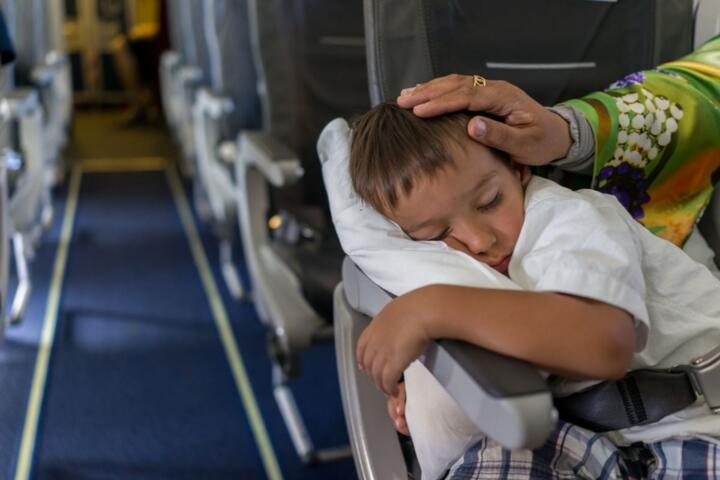
Start trips after children wake up, or near nap times to catch sleep during transit. For flights, booking early morning or late evening slots often aligns with children’s calmer moods and natural sleep cycles.
It’s not foolproof, but syncing travel with sleep patterns reduces screaming matches and requests to stop “again.”
Using distraction by design
Add novelty items at intervals: a new coloring book, a simple puzzle app, or a travel-themed card game. Rotate one item every hour or so to keep kids curious, not overloaded.
Realistically, a tablet with headphones loaded with a few episodes of the child’s favorite show can be a sanity saver. But balance screen time, as excess leads to overexcitation.
Selecting kid-friendly lodging
Pause the trip at hotels or Airbnbs with child-friendly features: cribs, kitchenettes, and pools or nearby playgrounds. This allows decompression, and parents don’t scramble to find kid-approved meals.
Booking places with flexible cancellation might add peace of mind—as plans always shift.
Meal planning on the road
Pack meals likely to appeal (cut fruit, cheese, cereal bars) and supplement with roadside snacks. Smaller portions eaten frequently keep blood sugar stable—avoiding hunger tantrums.
Crowded fast food places during peak hours often overwhelm small children and parents alike.
Preparing for emergencies
Carry a mini first-aid kit, plus any specific medicines. Know locations of urgent care clinics along the route via apps like Google Maps offline mode or Roadtrippers for travel planning.
Having those resources reduces anxiety in minor illness or injury situations.
Encouraging participation
Older toddlers can help “navigate” with maps or choose snacks at stops. Giving them a role often keeps them engaged and less restless. That dog-eared map from the 2018 trip still sits among our favorite distractions.
Anticipating delays
Plan with buffer time, especially for transitions like airport lines or toll booths. Delays happen, and kids won’t entertain themselves by focusing on the same screen for four extra hours.
Pack added activities for unexpected pauses or car ride extensions.
Mini case examples
A family of four drove 800 miles from Chicago to Asheville in 2019, breaking the trip into three days with a hotel stop halfway. They planned 2.5-hour drives alternating with breaks at playgrounds and bought portable snack packs. Result: kids stayed calm, and driving stress diminished by 70% compared to a nonstop approach parents tried earlier that year.
Another family flew from London to Barcelona with a 3-year-old in 2022. Booking a late afternoon flight allowed the child to nap at home before boarding. They used noise-cancelling headphones (Bose QuietComfort 35, version 4, picked up on sale) and pre-downloaded cartoons. The trip had minor fussiness during boarding only. They rated travel stress 3/10 instead of previous 8/10 flights, thanks to preparation.
Travel prep checklist
| Step | Action | Why | Example |
|---|---|---|---|
| Route plan | Divide journey by stops | Reduce kid frustration | Every 2-3 hours stop |
| Packing kit | Essentials in quick bag | Easy access to items | Favorite snacks & toys |
| Sleep sync | Travel near naps | Use natural sleep | Fly evening or morning |
| Distractions | Rotate new toys/books | Hold attention longer | Coloring/new puzzle |
| Food plans | Small, frequent snacks | Stability blood sugar | Cut fruit, bars, cheese |
Typical missteps
Overpacking is common—packing half the house just in case. It slows down transitions and creates a mess inside the car or plane seat area.
Screen reliance without backup isn’t ideal. Kids get bored or overstimulated. The solution might be simple: bring two or three small toys to swap for variety.
Ignoring travel pace leads to fallout. Trying to cover 700 miles in one go with a restless toddler? The tantrums start early. Break it up instead.
Failing to adapt plans can create last-minute scramble, including missed feeding or nap times, turning a trip into chaos.
FAQ
How to handle car sickness?
Use small, bland snacks and avoid heavy meals before traveling. Fresh air or open windows help, plus keeping your child’s gaze outside instead of books or screens. Consult your pediatrician for medicine options if needed.
What if my child refuses naps during travel?
Adjust expectations to shorter naps or rest periods. Use familiar blankets or white noise apps. Quiet time is still a win, even if sleep doesn’t happen.
Can traveling with kids be cheaper?
Booking accommodations with kitchenettes cuts food costs. Flying with children under two can sometimes be free on a lap ticket. Planning meals and snacks reduces emergency fast-food runs.
How to keep kids entertained on long flights?
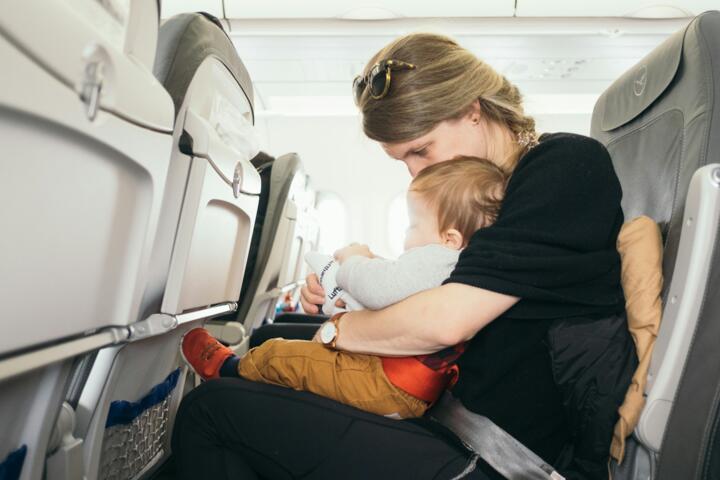
Load tablets with shows, audiobooks, and games, plus physical books. New small toys or coloring books swapped every 45 minutes can maintain interest.
Should I bring a stroller or carrier?
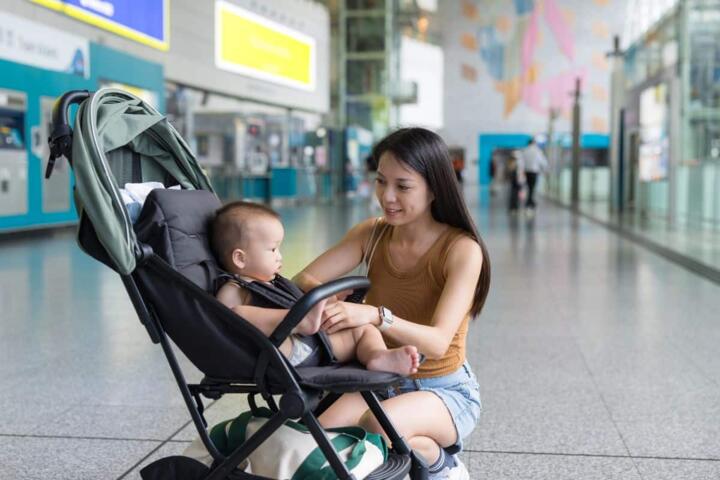
Choose based on destination walkability and kid’s age. Lightweight strollers collapse easily for airports. Carriers are handy if terrain or crowds make wheels impractical.
Author's Insight
Trips with young kids have taught me patience and creativity in equal measure. I've learned that a well-timed snack or simple game can change a meltdown into laughter quickly. Expect disruptions; plan for flexibility. Packing fewer, well-chosen comfort items beats overstuffing every time. Lastly, break the journey into manageable slices—this has saved my sanity multiple times, especially during a relentless 2017 road trip.
Summary
Start with careful route breaks, match travel to kids’ rhythms, and pack a smart grab bag of essentials. Include varied distractions but avoid overscreens. Prioritize rest stops with space for play outside. Checking off these simple, concrete steps shapes longer trips into less stressful, more enjoyable adventures—both for children and parents.