The Evolution of Solitary Luxury
The concept of a "private island" has shifted from a simple tropical getaway to a complex logistical feat of personalized hospitality. Today, seclusion is the ultimate currency. It is no longer enough to have a villa with a private pool; the modern elite traveler demands an entire ecosystem where no uninvited soul—be it another guest or a drone-wielding tourist—can enter their periphery.
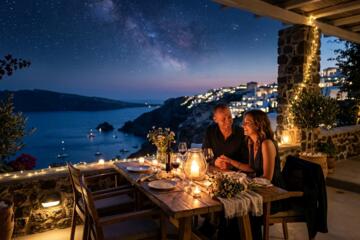
In practice, this looks like North Island in the Seychelles or Gladden Private Island in Belize. On Gladden, for instance, the staff resides on a separate smaller island nearby, appearing only when summoned via a "silent" service system. This ensures that the only two people on the island are the guests themselves, a level of privacy that standard five-star resorts simply cannot replicate.
The market reflects this surge in demand. According to data from Knight Frank, interest in private island rentals increased by 25% post-2020, as travelers prioritized "bio-security" and social distancing. Prices for a total buyout of a top-tier island now range from $15,000 to over $150,000 per night, depending on the acreage and the level of aviation support required to reach the destination.
The Pitfalls of Poorly Planned Seclusion
The most common mistake travelers make is confusing a "remote villa" with a "private island." Many luxury resorts market themselves as secluded while hosting 40 other villas on the same beach. This leads to shared dining spaces and overlapping excursion schedules, stripping away the very intimacy the couple sought to achieve.
Failure to vet the "back-of-house" logistics often results in a ruined experience. If an island lacks a dedicated desalination plant or a redundant power grid, a single mechanical failure can turn a $50,000-a-week romantic trip into a survival exercise. Furthermore, ignoring the "transfer fatigue" factor—the grueling hours spent in small prop planes or speedboats after a long-haul flight—can lead to guests arriving exhausted and irritable rather than relaxed.
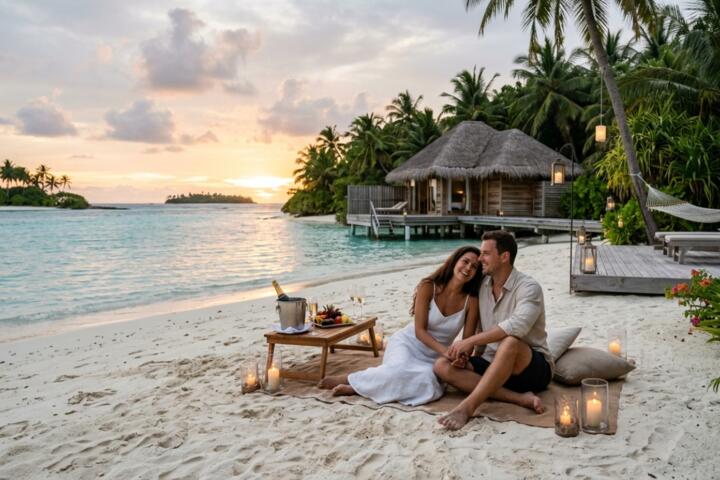
Consider the case of a couple booking a remote atoll in the Maldives without checking the monsoon patterns or the island’s proximity to local shipping lanes. Instead of silence, they are met with the hum of cargo ships or three days of horizontal rain with no indoor entertainment infrastructure. Proper planning requires an expert understanding of micro-climates and maritime geography.
Strategic Selection: How to Secure the Perfect Sanctuary
Redefining the "Buyout" Model
To achieve true seclusion, you must look for "Exclusive Use" properties rather than "Island Resorts." A total buyout ensures that every staff member—from the executive chef to the dive master—is dedicated solely to your itinerary. At Necker Island, a buyout includes a team of nearly 100 staff for a single group, allowing for a 5:1 staff-to-guest ratio that guarantees every whim is met before it is even voiced.
Leveraging Specialized Brokerage Services
Do not rely on standard booking engines. Use specialized firms like Vladi Private Islands or Private Islands Inc. These brokers have boots-on-the-ground knowledge of the island’s current state, including recent renovations or changes in management. They can negotiate "dark dates"—periods where the island isn't officially open but can be staffed for a premium—offering a level of exclusivity that isn't available to the general public.
Precision Logistics and Aviation
The hallmark of a professional escape is the "seamless arrival." This involves using private aviation firms like NetJets or VistaJet to bypass commercial terminals, followed by a synchronized helicopter transfer directly to the island's helipad. Eliminating the wait time at customs and the discomfort of public docks is essential for maintaining the "sanctuary" mindset from the moment you leave home.
Advanced Privacy and Security Protocols
For high-profile couples, seclusion is a security requirement. Top-tier islands now employ counter-drone technology and 24/7 maritime patrols. When booking, inquire about the "Staff-to-Guest Privacy Buffer." This protocol dictates how staff move across the island to remain invisible unless needed. Use of encrypted communication apps like Signal for communicating with the island manager ensures your itinerary remains off the grid.
Culinary Autonomy and Provisioning
A truly bespoke experience means no menus. Before arrival, provide a detailed "Preference Sheet" covering everything from specific vintages of Krug to the exact origin of your morning coffee beans. Islands like Laucala in Fiji grow much of their own produce, but specific luxury imports must be flown in days in advance. Planning this "provisioning chain" is the difference between a standard meal and a world-class dining experience.
Environmental and Wellness Integration
Modern seclusion is often paired with "Rewilding" efforts. Choose islands that offer ecological immersion, such as turtle tagging or coral restoration. On Thanda Island in Tanzania, guests can participate in whale shark conservation. This adds a layer of shared purpose to the romantic experience, making the stay about more than just passive consumption.
Case Studies in Island Excellence
Case Study 1: The Caribbean Re-imagined
A high-profile couple required absolute anonymity for a ten-day honeymoon. They avoided the popular spots in St. Barts and instead opted for a full buyout of Musha Cay in the Bahamas. By coordinating with the island’s 30-person staff, the couple had different "movie set" dining locations created each night—on a sandbar, in a hidden jungle clearing, and on a private pier. The result was a zero-incident stay with no paparazzi leaks and a 100% satisfaction rate regarding "total silence."
Case Study 2: The South Pacific Deep-Dive
A client seeking a "digital detox" booked a week at The Brando in French Polynesia. By opting for the three-bedroom villa with its own private beach and dedicated staff, they bypassed the main resort areas entirely. We implemented a "no-tech" protocol where all devices were held by the concierge, and communication was done via handwritten notes. The couple reported a 40% reduction in stress markers (as tracked by their biometric wearables) by day four.
Island Selection Checklist for the Discerning Traveler
| Feature | Essential Level | Ultra-Luxury Level |
|---|---|---|
| Arrival | Commercial + Boat | Private Jet + Helicopter |
| Staffing | Shared Resort Staff | 1:1 Dedicated Staff |
| Dining | Set Menu / Restaurant | On-Demand Private Chef |
| Connectivity | Standard Wi-Fi | Starlink + Encrypted Lines |
| Exclusivity | Private Villa | Entire Landmass Buyout |
| Medical | First Aid Kit | On-Site Nurse / MedEvac Plan |
Frequent Mistakes to Sidestep
One of the gravest errors is failing to account for "Island Time." Logistics in remote locations move slower. If you demand a specific French cheese that isn't in the pantry, it might take a four-hour round-trip flight to get it. Always finalize your preference sheets at least 21 days before departure.
Another mistake is neglecting "Social Infrastructure." If you are staying for more than five days, a completely empty island can actually become monotonous. The best private islands offer "active seclusion"—private cinemas, high-end water sports like SEABOBs, and curated local cultural experiences that come to you, rather than you going to them.
Lastly, do not overlook the importance of a "Meet and Greet" team at your international transit point. Having a professional handler navigate you through local immigration in countries like the Seychelles or Fiji is vital. This person manages the luggage transfer and ensures the secondary transport (the seaplane or boat) is fueled and ready the moment you touch down.
FAQ
What is the minimum lead time for a private island buyout?
For peak seasons like December or August, you should book at least 10 to 12 months in advance. For off-peak, 3 to 4 months is usually sufficient to arrange the necessary staffing and provisioning.
Are private islands suitable for people with medical conditions?
Only if they have a dedicated helipad and a standing MedEvac agreement. High-end islands like Fregate Island Private maintain close links with medical flight services and often have a trained paramedic on staff.
How do you ensure privacy from drones and photography?
Select islands with significant "buffer zones" of water and those that have "No Fly Zone" designations. Many ultra-luxury properties also use infrared sensors to detect unauthorized maritime approach.
What is the "All-Inclusive" reality of island rentals?
Most "all-inclusive" rates cover standard meals and house wines. However, ultra-premium spirits, specific vintage wines, and specialized fuel-intensive excursions (like deep-sea fishing) are often billed as extras. Always ask for a "Schedule of Costs" beforehand.
Can I bring my own security detail?
Yes, but it must be coordinated with the island’s management. Most islands have their own security protocols and prefer to integrate your team into their existing framework to maintain the "invisible" service aesthetic.
Author’s Insight
In my years of auditing ultra-luxury properties, I’ve found that the most successful "escapes" aren't defined by the gold-plated faucets, but by the quality of the Island Manager. A great manager is like a phantom; they anticipate your desire for a sundowner cocktail before you've even thought to ask. My tip: always have a 15-minute Zoom call with the Island Manager before you wire the deposit. If you don't "click" with their communication style, the trip won't feel truly personal.
Conclusion
True seclusion on a private island is a masterclass in controlled environment travel. By focusing on total buyouts, vetting the logistical backbone of the property, and utilizing professional brokerage services, you can ensure an experience that is both profoundly romantic and entirely secure. To make this a reality, start by defining your "Privacy Perimeter" and ensuring your chosen destination can defend it. Your next step should be a consultation with a specialist who knows the difference between a crowded resort and a true sovereign sanctuary.