The Architecture of an Elevated Proposal
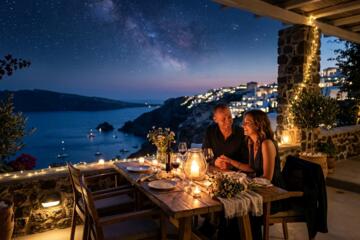
A romantic proposal is an exercise in emotional engineering. While many settle for a standard restaurant terrace, an expert-level engagement utilizes the "Dark Sky" movement to create a sense of cosmic intimacy. Data from the International Dark-Sky Association (IDA) suggests that less than 10% of the global population experiences a truly dark sky; accessing these rare pockets of the world provides a backdrop that no luxury hotel interior can replicate.
In practice, this means moving beyond the city lights. For example, a proposal at the Amangiri in Utah isn't just about the architecture; it is about the 0.5-magnitude sky brightness that allows the Milky Way to be visible to the naked eye. When the environment does the heavy lifting, the pressure on the speech is reduced, allowing the moment to feel natural rather than scripted.
Recent luxury travel surveys indicate that 64% of high-net-worth individuals now prioritize "transformative experiences" over material luxury. A starlit dinner at a location like The Datai Langkawi in Malaysia integrates the sounds of the 10-million-year-old rainforest with the visual depth of the equatorial sky, creating a sensory overload that anchors the memory for a lifetime.
The Critical Errors of Amateur Planning
The most common mistake in planning a celestial proposal is ignoring the lunar cycle. A full moon, while beautiful, is a natural light pollutant that washes out the stars. Proposing during a full moon when you’ve booked a "stargazing experience" is a fundamental tactical error. Professionals know that the "New Moon" phase—the three days before and after—is the only window for a high-contrast stellar display.
Another pain point is "The Logistics Gap." Many planners book a remote location but fail to account for the "comfort-to-wild" ratio. If your partner is shivering in a cold wind on a Moroccan dune or swatting away mosquitoes in a tropical jungle, the romance evaporates. Without a dedicated "fixer" or a luxury concierge service like Quintessentially, you risk the evening being remembered for the discomfort rather than the diamond.
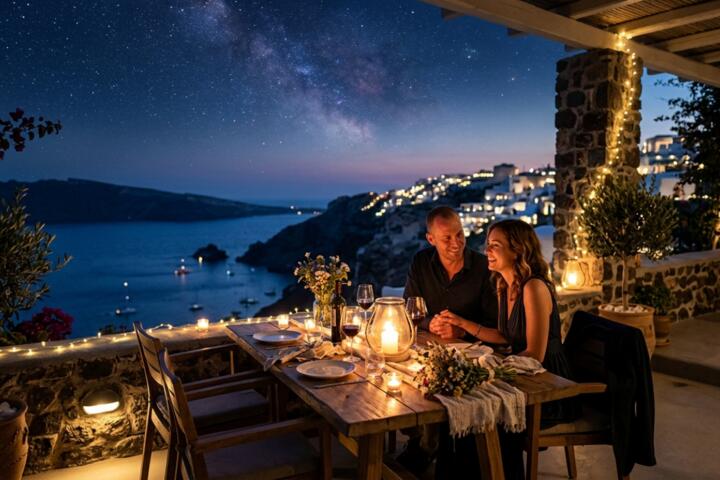
I have seen proposals ruined by "Stage Fright Syndrome," where the setting is too public. A crowded viewpoint at Oia, Santorini, might look good on Instagram, but the lack of privacy often leads to a rushed, performative proposal. The goal is "Private Exclusivity"—a controlled environment where the only audience is the cosmos.
Strategic Destinations for a Celestial "Yes"
The Atacama Desert: High-Altitude Precision
The Atacama in Chile is the driest non-polar place on Earth, offering over 300 clear nights a year. For a proposal that feels like it’s on another planet, the Nayara Alto Atacama offers a private observation deck with a high-end Meade telescope. The atmospheric clarity here is so high that professional observatories like ALMA are located nearby. To execute this correctly, hire a local "astro-guide" through a service like Astronomy Adventures to point out the Southern Cross just before you drop to one knee.
The Maldivian Sandbank: Isolated Intimacy
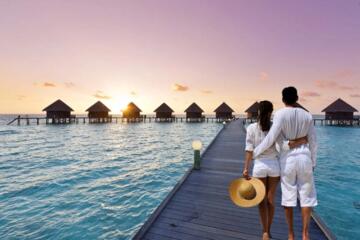
For those seeking the sound of the ocean, the Soneva Jani in the Maldives features the "So Starstruck" observatory, the first overwater observatory in the country. However, for a truly expert move, book a "Midnight Sandbank Dinner." Using a private boat, you are dropped on a temporary island with a chef and a telescope. The 360-degree horizon creates a feeling of being at the center of the universe.
The Namibian Dunes: Ancient Silence
Namibia is home to the NamibRand Nature Reserve, one of the few Gold-tier International Dark Sky Reserves. Accommodations like Sonop by Zannier Hotels provide a 1920s-style safari atmosphere. The sand dunes act as natural soundproofing, creating a silence so profound that your heartbeats are audible. This is the destination for a partner who values rugged luxury and absolute stillness.
The Arctic Frontier: The Aurora Gamble
If you want to trade stars for the Northern Lights, the Levin Iglut glass igloos in Finnish Lapland provide a climate-controlled environment for a proposal. While the Aurora Borealis is never guaranteed, using a tracking app like My Aurora Forecast helps in timing the moment. The key here is the "Safety Net"—ensure the dinner and the setting are spectacular regardless of whether the lights appear.
The Tuscan Vineyard: Classical Elegance
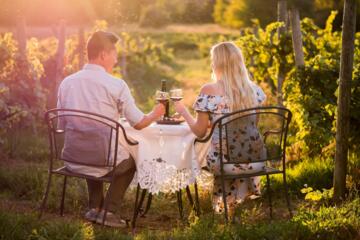
For a more accessible but no less impactful option, the hills of Tuscany offer estates like Castello di Casole. Using a service like Dining by Design, you can set up a table in the middle of a vineyard far from the villa's lights. Italian skies in late summer are remarkably clear, and the combination of world-class Viticulture and astronomy creates a sophisticated, multi-sensory experience.
Measuring the Success of the Setting
To understand why these locations work, we look at the Bortle Scale, which measures the night sky's brightness.
| Destination | Bortle Scale Class | Key Advantage | Best Time to Visit |
|---|---|---|---|
| Atacama, Chile | Class 1 (Excellent Dark Sky) | Absolute clarity; Southern Hemisphere stars | June - August |
| NamibRand, Namibia | Class 1 (Excellent Dark Sky) | Zero light pollution; extreme silence | May - September |
| Soneva Jani, Maldives | Class 2 (Typical Dark Sky) | Overwater views; professional telescopes | November - April |
| Lapland, Finland | Class 2-3 | Aurora Borealis potential; glass igloos | September - March |
| Tuscany, Italy | Class 3-4 | Wine integration; cultural richness | July - September |
Executing the Flawless Starlit Engagement
A professional-grade proposal requires a "Run of Show" (RoS). Start with a "Distraction Phase"—perhaps a wine tasting or a short nature walk—to keep the surprise intact. Use a professional photographer equipped with a Sony Alpha a7S III or similar low-light specialized gear; standard cameras will fail in the dark, resulting in grainy, unusable photos.
Leverage apps like Star Walk 2 or SkyGuide to identify specific constellations that might have personal meaning (e.g., the zodiac sign of your partner). Mentioning that "that star right there is 50 light-years away, but my love is right here" might be cheesy, but in the right setting, it resonates deeply.
Always have a "Weather Pivot." If clouds roll in, your "Starlit Dinner" needs to transition seamlessly into a "Candlelit Cellar" experience. The Belmond hotel group is particularly adept at these last-minute transitions, ensuring the investment in the evening isn't lost to a stray storm.
Common Pitfalls and Tactical Saves
- The Temperature Trap: Desert and high-altitude nights drop to near-freezing. Even if the day was 30°C, the night will be 5°C. Provide a high-quality cashmere wrap or have a hidden heater.
- The Technical Failure: If you are using a telescope, ensure it is pre-aligned. Nothing kills the mood like fifteen minutes of you fumbling with a lens.
- The Ring Security: In dark, remote locations, a dropped ring is a lost ring. Ensure the ring box has a small LED light inside (like those from The Mrs. Box) so you can actually see the sparkle when you open it.
- The Transport Issue: Remote means remote. If you are using a helicopter or a 4x4 transfer, ensure the return trip is booked for much later than you think. You don’t want a pilot tapping his watch while you’re mid-speech.
FAQ
How do I choose the right date for a stargazing proposal?
Always aim for the "New Moon" phase. Check a lunar calendar for your specific destination. Avoid the 3 days surrounding a Full Moon at all costs if stars are your primary goal.
Is it worth hiring a professional proposal planner?
Yes, especially for international destinations. Services like The Proposers have global footprints and handle local permits, decor, and secret photography that are nearly impossible to manage alone from abroad.
What if it's cloudy on the night of the proposal?
Have a 48-hour "buffer" in your travel itinerary. Book the proposal for the first possible night of the trip, allowing you to push it to the next evening if the weather doesn't cooperate.
Which hemisphere offers the best stars?
The Southern Hemisphere (Chile, Namibia, Australia) offers a better view of the galactic center of the Milky Way, making for more dramatic photos and a denser field of stars.
How do I handle the lighting for the dinner itself?
Use "Warm Dim" lighting or low-intensity amber LEDs. Blue or bright white light will ruin your night vision (which takes 20 minutes to adapt) and make the stars disappear from your view.
Author’s Insight
In my decade of consulting on luxury travel and high-value events, I’ve found that the best proposals are those that respect the environment. I once assisted a client in the Australian Outback where we used zero artificial light—only the bioluminescence of the desert floor and the stars above. My advice: stop worrying about the "perfect" speech and focus on the "perfect" silence. If you pick the right spot under a Class 1 Dark Sky, the universe does 90% of the talking for you. Don't over-engineer the decor; you can't out-decorate the Milky Way.
Conclusion
Creating a starlit proposal is a sophisticated blend of astronomical timing and luxury logistics. By selecting a location with a low Bortle Scale rating, timing your event with the New Moon, and ensuring physical comfort in remote settings, you transform a simple question into a cosmic event. Focus on privacy, leverage local expertise, and always have a weather contingency. The goal is to create a moment where the vastness of the universe makes your personal commitment feel both small and infinitely significant. Start your planning by checking the lunar cycles for your chosen destination at least six months in advance to secure the best vantage point.