Understanding Blue Flag
The Blue Flag beach rating is an international certification that marks beaches meeting strict environmental, safety, and accessibility standards. Created in 1985 by the Foundation for Environmental Education, it has expanded to more than 50 countries, covering over 4,500 beaches and marinas as of 2023. For instance, Spain alone holds more than 600 Blue Flag beaches, highlighting its commitment to coastal quality.
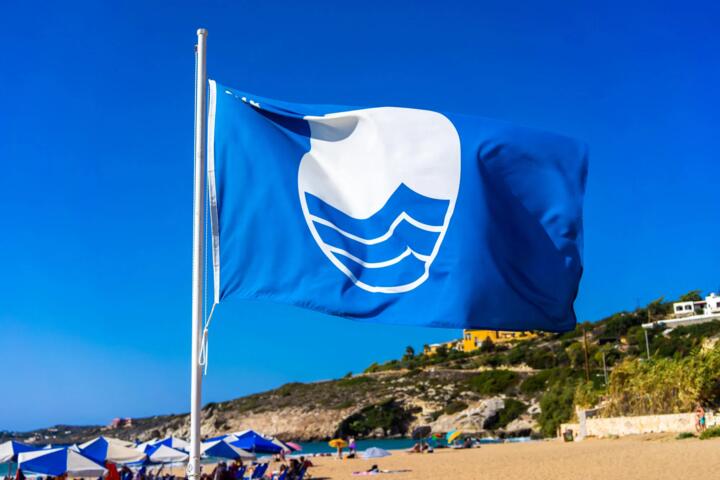
The rating confirms a beach offers clean, safe water, proper waste management, and environmental education for visitors. Beyond just a visual cue—the blue flag fluttering on poles—it signals a reliable guarantee about the beach's ecological health and facilities.
Almost all certified sites have lifeguards or adequate emergency equipment. Some provide wheelchair access and quiet zones for wildlife, showcasing the balance between tourism and preservation. If you spot a Blue Flag beach, you know you're but steps away from an experience planned with care for both people and nature.
Common Misunderstandings
Many travelers assume all clean beaches are Blue Flag certified or that the label only means tidy sand and clear water. In reality, the program covers a broader range of aspects. For example, a beach with spotless sand but poor water testing reports cannot earn the Blue Flag. Missing environmental education materials also counts against the rating.
Confusing local awards for Blue Flag really dilutes value. Some destinations flaunt their own ""green"" or ""eco"" badges that don't meet the stringent criteria, misleading visitors. Without this recognition, responsibilities like waste handling, biodiversity monitoring, or public access management often get overlooked.
Ignoring Blue Flag standards harms ecosystems, local economies, and public health. Polluted waters cause illnesses, while weak fire safety or lack of lifeguards raise the risk of accidents. Beaches without proper management risk erosion or habitat loss, which sometimes happens surprisingly fast. Not every government enforces these rules well, leading to inconsistent beach quality.
Steps to Meet Standards
Water Quality Testing
Regular water tests measure bacteria levels, oxygen, and chemical pollutants. Samples must be analyzed weekly during the bathing season to confirm swimmability. This method works because continuous monitoring detects problems early, avoiding health hazards. Municipal labs or private partnerships like Eurofins often handle this for Blue Flag sites. Typical bacterial limits are well below 200 CFU (colony-forming units) per 100ml of water.
Waste Management Systems
Trash bins must be ample, labeled for recycling, and emptied frequently to prevent litter. Effective beach cleanup programs—sometimes using volunteers or local NGOs—reduce contamination. In practice, Blue Flag beaches show signs reminding visitors not to discard plastics or cigarettes in the sand or sea. Coastal cities like Nice, France, saw a 30% drop in plastic waste after adopting stricter waste protocols.
Safety and Rescue
Lifeguards or clearly marked emergency equipment must cover the entire swimming area, with trained personnel present during open hours. Emergency plans for accidents or weather threats are mandatory. Visibility of first aid kits and rescue boats often reassures visitors. This level of preparedness keeps accident rates unusually low; for example, Denmark reports zero drowning deaths per year at most Blue Flag sites.
Environmental Management
Beach operators limit construction near sensitive dunes or habitats, with clear zoning policies. Protection of nesting sites for birds or sea turtles integrates into this strategy. Environmental management extends to controlling vehicle access and limiting lights that disrupt wildlife. Continual audits ensure these practices remain effective over years.
Visitor Education
Information boards explain the area's ecology, rules, and the Blue Flag program itself. School programs and volunteer guides teach visitors about local species and conservation efforts. This educational component enhances compliance and public awareness. At beaches in Portugal, such efforts boosted recycling rates from 40% to 75% within two seasons.
Accessibility
Ensuring paths, ramps, and toilets accommodate people with disabilities adds to the rating requirements. Some beaches install amphibious wheelchairs or provide staff support. Such features may seem niche but remarkably increase beach usage by mobility-impaired individuals. Italy's Rimini beach reports a 25% rise in visitors after installing better accessibility features.
Noise and Light Control
Limits on amplified music or evening lighting preserve the environment at night. These controls protect nocturnal fauna and give visitors a more natural ambience. Implementing these often involves coordination between beach managers and local authorities, balancing tourism with quiet conservation.
Examples of Success
In 2019, the Croatian town of Poreč faced frequent algae bloom problems that pushed tourists away each summer. Officials partnered with environmental experts to upgrade sewage treatment and restrict boat discharges. Within two years, Poreč regained its Blue Flag certification after a five-year gap, increasing tourism revenue by 12% during peak months.
Elsewhere, Brazil’s Ilha do Mel struggled with trash accumulation despite beautiful water. The community started guided beach cleanups combined with environmental workshops, boosting visitor ratings and local pride. Waste levels shrank by 40% over the following 18 months, allowing the beach to apply for Blue Flag status in 2023.
Checklist for Criteria
| Criterion | Requirement | Frequency | Responsible |
|---|---|---|---|
| Water Quality | Bacterial levels below limit | Weekly tests | Environmental agency |
| Safety | Lifeguards, rescue kits | Daily during season | Beach operator |
| Waste Management | Bins with recycling | Daily emptying | Local council |
| Education | Info boards, activities | Seasonal updates | NGOs, schools |
| Accessibility | Ramps, toilets | Permanent | Beach operator |
Usual Errors
One common slip involves sampling water only once a month, which risks missing contamination spikes after heavy rains or boat traffic. Another mistake lies in poor signage that confuses visitors, leading to rule violations and littering. Some areas only clear bins weekly, which invites pests and trash overflow.
Ignoring environmental monitoring also happens; threats like invasive species can spread if unnoticed. Local officials sometimes underestimate needed staff for safety oversight, especially in busy holidays. Lastly, overstating accessibility without practical maintenance frustrates users.
Fix these by scheduling stricter testing, improving communication with clear multilingual signs, increasing cleanup shifts, and training guards rigorously. Updating facilities regularly keeps the standard intact.
FAQ
What does Blue Flag certification guarantee?
It guarantees the beach meets international standards for water quality, safety, environmental education, and access designed to benefit visitors and ecosystems.
How often must beaches be inspected?
Water quality tests are required weekly during the bathing season, with additional checks on safety measures and environmental criteria throughout the year.
Can any beach apply for Blue Flag status?
Any public or private beach can apply, but must fully comply with all criteria and undergo annual assessment to maintain the certification.
Does a Blue Flag beach guarantee no pollution?
Not entirely, but it signals very low pollution levels and active monitoring, significantly reducing health risks compared to uncertified beaches.
Who manages the Blue Flag program?
The Foundation for Environmental Education (FEE), an international non-profit, coordinates the program with local authorities and environmental groups on site.
Author's Insight
After visiting over 30 Blue Flag beaches on two continents, I find they offer consistently clean and safe environments, even when local infrastructure is challenged. The real value shows in strict water testing results and lifeguard presence, which I’ve personally relied on during unexpected tides. However, achieving and maintaining certification requires constant effort from communities that don’t always get enough credit. I recommend travelers seek out these flags for peace of mind and also support local conservation initiatives that keep the standard alive.
Key Takeaways
A Blue Flag rating signals a well-managed beach with quality water, safety, and environmental care. Choosing these beaches means fewer health risks, better experiences, and respect for coastal ecosystems. For local managers, following the program’s criteria daily delivers tangible benefits like repeat visitors and improved habitats. Check for the blue flag next beach day—your body and the planet will thank you.