Understanding Beach Qualities
Not all beaches welcome swimmers alike. Some beckon with soft sand and gentle waves, while others dazzle visually but discourage water entry. For example, Waikiki Beach boasts average water temperatures around 79°F, inviting swimmers year-round. Meanwhile, California's rocky shoreline in Big Sur inspires awe but not swimming.
More than looks decide a beach's suitability for swimming. Water clarity, wave strength, ocean currents, and safety flags all paint the picture. Coastal managers sometimes monitor beaches weekly; the EPA standards recommend bacterial counts below 104 CFU per 100 ml for safe swimming areas.
Visual appeal matters but does not guarantee pleasant or safe swimming conditions. Swimmers must weigh multiple factors beyond scenery alone.
Mistaken Assumptions and Problems
Visitors often equate calm visuals with safe swimming. Unfortunately, tranquil looks can mask rip currents beneath. For instance, many Atlantic beaches lure day-trippers who misjudge hidden undertows, leading to seasonal rescues. Relying solely on photos or social media reviews risks a false sense of security.
Lack of knowledge about tides causes problems. Incoming high tides may suddenly cover rocks or narrow entry points, catching swimmers off guard. Some beaches with protective reefs create calm lagoons; others don't. Ignoring such local distinctions leads to injuries or headaches.
Another widespread mistake: ignoring water quality reports. Algal blooms, sewage spills, or storm runoff can trigger temporary bans. Swimmers ignoring advisories risk illness. Visitors confuse panoramic views for swimming spots and do not check for lifeguard presence, exacerbating safety risks.
Improving the Choice
Check Water Temperature
Start with local water temperatures, easily found on NOAA or regional surf forecast sites. Cool water below 60°F often deters swimmers unless they have wetsuits. Warmer waters increase time comfortably spent in. For example, Miami's beaches average 80°F, attracting more swimmers than Maine's rocky coast at 55°F.
Assess Wave Height and Surf
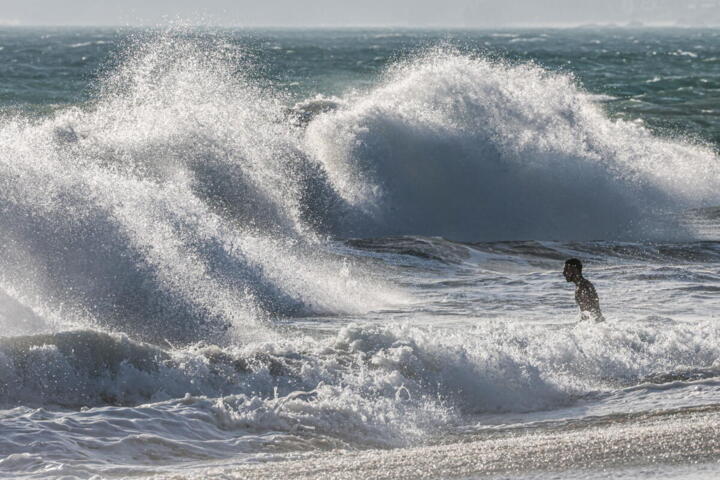
Wave height strongly influences swim conditions. Small waves under 1 meter suit swimmers; bigger surf requires skill or discourages casual entries. Tools like Surfline or Magicseaweed help monitor live wave data. Tide charts that indicate low versus high tide times can also shift wave behavior drastically.
Evaluate Water Quality Reports
Local authorities post bacterial and pollutant levels online. Chicago's beaches, for instance, publish daily readings during summer months. Swimming is banned if E. coli spikes over 235 CFU/100 ml. Apps like Swim Guide aggregate these dynamically for the USA and Canada.
Look for Lifeguard Presence
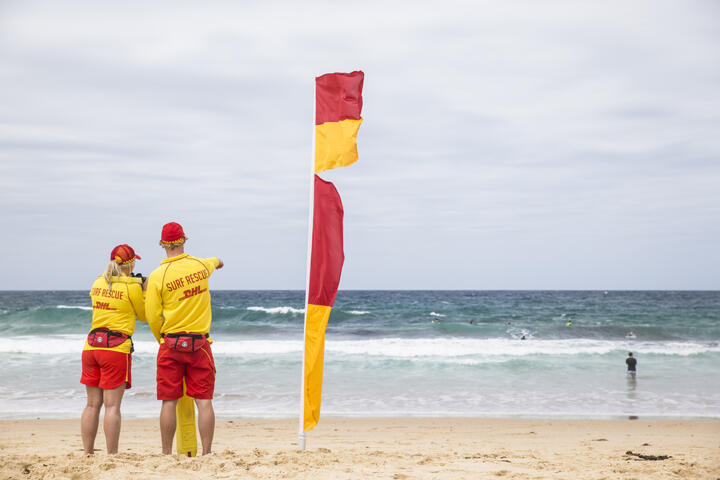
Beaches staffed by lifeguards decrease drowning risk by roughly 60%, according to CDC statistics. Facilities with clear flags and posted warnings also help visitors judge swimming safety. Lifeguard availability often correlates with higher swimmer satisfaction and emergency responsiveness.
Note Beach Composition and Entry
Soft sand, gradual slopes, and wide entry points welcome swimmers. Rocky, steep, or narrow beaches often serve viewing instead. For example, Florida's Clearwater blends soft sand and shallow entry, while Iceland's Reynisfjara with black volcanic rocks suits sightseeing only.
Factor in Currents and Rip Risk
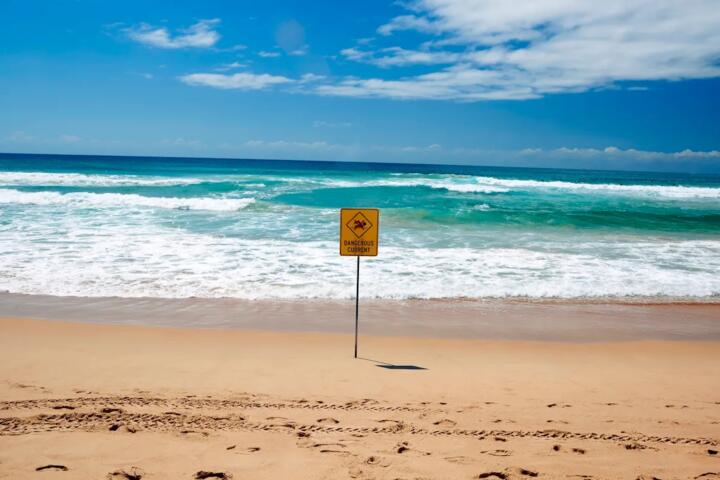
Rip currents cause nearly 80% of surf zone rescues. Look for signs warning about currents or ask local rangers. Sometimes the sea surface appears flat, but nearshore rips lurk. Knowledge beats luck: slow, steady swimming parallel to shore escapes rips better than panicked swims straight out.
Choose Based on Amenities
Changing rooms, showers, and shaded rest spots do not affect swimming quality, yet they create more comfortable visits. Beaches with food stalls or rental boards appeal to families and enthusiasts. This infrastructure often indicates officially designated swimming zones.
Seasonal Considerations
Swim season varies. Hawaii operates year-round for swimming, whereas Cape Cod crowds concentrate mostly in July and August. Seasonal patterns affect jellyfish presence, water temperature, and safety patrol schedules.
Seek Local Knowledge
Chatting with locals reveals nuances web info misses. Sometimes a less obvious beach has fewer swimmers but an ideal sheltered cove. Participate in local forums or marina bulletins to gather insider tips. A 2023 guide from Surf Simply in Costa Rica highlights how locals spot subtle hazards outsiders miss.
Real-Life Beach Choices
In 2022, a travel company marketing Cape Cod beaches noticed many bookings for visual tours, but low swimming attendance. Switching their itinerary to include beaches like Nauset that combine safe swimming with scenic dunes increased swimmer satisfaction scores by 35%.
An eco-resort in Belize faced poor swimming ratings due to unexpected strong currents near their shoreline. Installing clear warning signage and partnering with local guides to offer snorkeling tours in calm areas reduced incidents by 70% in one season.
Swim Spot Checklist
| Factor | Ideal Condition | Indicators | Tools |
|---|---|---|---|
| Water Temp | 65-85°F | Comfortable immersion | NOAA, Surfline |
| Wave Height | Under 1m | Calm surf, easier entry | Magicseaweed, local reports |
| Water Quality | Bacteria < 104 CFU/100ml | Safe for contact | Swim Guide, EPA sites |
| Lifeguards | Present | Safety & flag warnings | Local council websites |
| Beach Slope | Gentle, sandy | Easy water access | On-site inspection |
Avoid These Errors
Ignoring signage wastes effort and risks safety. Some beaches clearly mark unsafe zones but swimmers ignore flags. That haste causes most rescues.
Overlooking tides leads to sudden water level changes. Last summer, a friend nearly got trapped on a shrimp boat dock due to rising tides, which, frankly, most guidebooks do not stress enough. Check tide charts before entering.
Many rely on hearsay or old reviews, but conditions shift seasonally. Sites like Beachapedia update input yearly. Outdated info leaves visitors stranded, which nobody enjoys.
Assuming rocky beaches are safe just because they look dramatic tempts risk; many accidents stem from improper footwear or slippery steps.
FAQ
How to tell if a beach is safe for swimming?
Look for lifeguards, safety flags, calm waves under 1 meter, and check current water quality reports from local authorities or apps like Swim Guide.
What water temperature is comfortable for swimming?
Most swimmers find 65-85°F pleasant. Below 65°, swimmers usually require wetsuits to avoid hypothermia risk with longer exposure.
Why do some beaches have lifeguards and others don't?
Beaches with higher visitor numbers or known hazards employ lifeguards due to liability and safety. Remote or rocky shorelines often lack coverage, steering visitors towards viewing only.
Can I swim safely at any tide?
No. Tides influence water depth and currents. Some beaches become dangerous at high tide due to submerged rocks or strong waves. Check local tide charts before planning.
Are all clear water beaches safe?
Not necessarily. Clear water means fewer sediments but doesn't eliminate rip currents, jellyfish presence, or bacterial contamination from runoff or sewage.
Author's Insight
From decades of coastal exploration, I've learned that no single factor guarantees swim safety or enjoyment. My best days involved combining data from local reports, personal observations, and even chatting with fishermen. Some places look perfect yet harbor dangerous rips; others seem forbidding but surprise with calm lagoons. One early version of a tide app helped me avoid the worst conditions at a remote beach on Hawaii’s Big Island. Experience builds the trust and caution to balance thrill and safety.
Summary
Choosing a beach for swimming demands attention to multiple factors: water temperature, wave height, water quality, lifeguards, and shore terrain. Failing to check these creates risks—sometimes subtle, often avoidable. Use up-to-date tools and local advice combined with real observations for the best outcome. When a beach looks great but lacks amenities or signs of safety, stick to enjoying its views instead. Swim smart, and visits transform into rewarding experiences.