Choosing a Family-Friendly Beach
Beaches for families with young kids require careful selection. Consider sand texture: powdery and fine sands reduce skin irritation and facilitate easy building of sandcastles. Water conditions matter too; calm, shallow waters minimize hazards. For instance, Florida’s Siesta Key Beach boasts sand composed of 99% quartz, making it soft on little feet, and its gently sloping shoreline stays shallow for over 100 feet.
Beyond sand and water, look for accessible facilities like restrooms, shaded areas, and lifeguards on duty. Beaches with playgrounds or splash pads extend entertainment options, keeping children engaged beyond swimming.
Families spend roughly four hours daily at the beach on average during vacations. Planning a beach with amenities can dramatically improve this experience.
Common Challenges at Beaches
Many parents underestimate the difficulty of managing young children near unpredictable surf or rocky shores. Rough waves can drag toddlers off balance. This leads to stress, dampened fun, and sometimes extended towel-side time while drying off or consoling.
A crowded beach, missing shaded spots, or a lack of facilities frequently disrupts nap or feeding schedules. Unprepared parents discover their day shortens abruptly because their child needs an emergency break or there’s nowhere to change diapers.
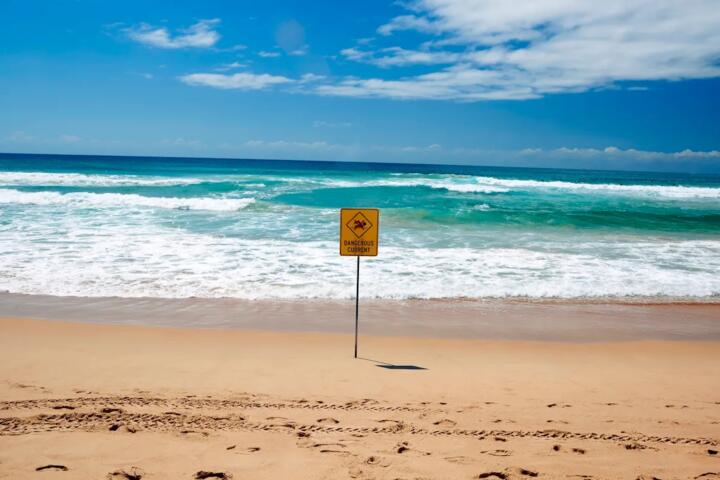
Ignoring local tides and currents counts among the most overlooked hazards. They can alter the safety profile of a beach daily. This introduces risk, even on familiar shores.
A poorly chosen beach limits play options, which strains both children's attention and parents' energy.
Proofed Tips for Beach Choices
Find Soft Sand Beaches
Pick beaches known for soft, fine sand to prevent scrapes and make barefoot running or sandcastle building easier. For example, Maui’s Wailea Beach compacts very little, making it ideal for little feet. It feels soothing on skin and invites hours of digging and molding without discomfort.
Focus on Gentle Water Conditions
Look for gradual shore slopes and minimal waves for safe swimming. Bays shielded by reefs often provide calm water, tracked by local guidebooks and apps. Maui’s Napili Bay, for example, offers a protected cove with waist-deep water up to 50 yards out—perfect for toddlers learning to paddle.
Check Lifeguard Presence
Lifeguards add safety layers beyond parental supervision. Beaches like California’s Coronado Central Beach coordinate regular patrol hours and have stations with child-specific flotation devices, offering an extra margin of security and peace.
Seats and Shade Matter
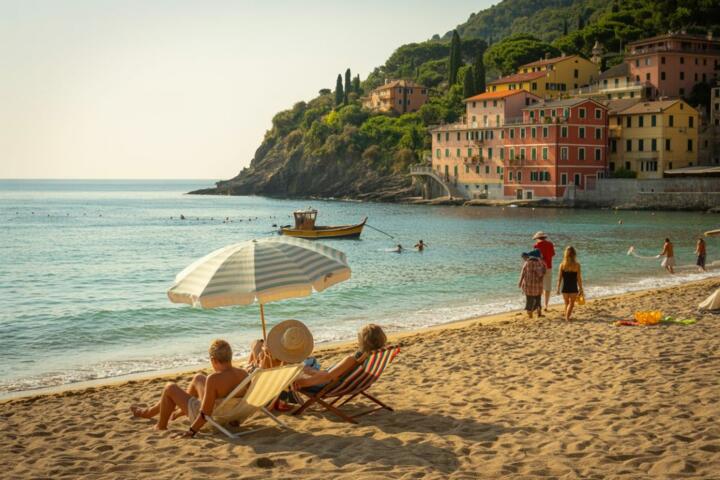
Facilities with umbrellas, shaded picnic tables, or nearby cafes beat harsh sun exposure and provide comfort. Myrtle Beach in South Carolina equips many spots with rentable canopies, quenching daily heat quickly, even for kids sensitive to sunburn.
Nearby Amenities Ease Parenting
Restrooms, changing rooms, and snack bars on-site make a difference on long days. Beaches such as Virginia Beach deliver clean restroom clusters near playgrounds, minimizing stress during diaper changes and quick refresh breaks.
Leverage Family-Friendly Activities
Beaches with adjacent playgrounds, splash pads, or tide pools extend engagement beyond sand and surf. Hilton Head Island features interactive water zones and natural pools teeming with tiny crabs and fish, fostering curiosity alongside physical play.
Use Technology to Track Beach Conditions
Apps like BeachesNow (version 3.2) offer live updates on crowds, tides, and weather, helping parents pick optimal visiting times and avoid surprises. Data-driven choices reduce frustration and wasted drives.
Consider Accessibility
Flat boardwalks and stroller-friendly paths, seen at Cape Cod National Seashore, ease transport and reduce fatigue. This detail gets overlooked often but vastly improves day-long endurance for families with toddlers.
Plan for Safety Gear
Invest in child lifejackets rated for small kids, reusable swim diapers, and quick-dry towels. These add practical layers that no beach can replace. They rarely show up on packing lists but mean a world of difference in the moment.
Real-Life Beach Stories
A family visiting Destin, Florida struggled initially with rough surf and lack of shade. They switched to Henderson Beach State Park after learning it had calm waters and covered pavilions every 200 feet. The change cut their stress by half, with the kids swimming safely for hours. The parents reported a 40% longer beach tolerance compared to the first spot.
Another group from Seattle chose Cannon Beach in Oregon for its gentle tides and abundant tide pools. Their kids spent hours exploring marine life, staving off boredom. Touring the pools with waterproof magnifying glasses enhanced learning and play, turning a typical day into a mini adventure with minimal screen time.
Checklist for Beach Selection
| Criteria | Safety | Amenities | Play Options |
|---|---|---|---|
| Sand texture | Soft/fine | N/A | N/A |
| Water depth | Shallow, gradual | N/A | N/A |
| Lifeguard | Available | N/A | N/A |
| Shade | N/A | Umbrellas or pavilions | N/A |
| Restrooms | N/A | Close | N/A |
| Playground | N/A | N/A | Nearby |
What to Avoid at Beaches
Ignore beaches with strong rip currents or steep drop-offs near shore. Parents often focus on proximity but overlook dangers hidden beneath calm surfaces. This mistake leads to emergency rescues, needless panic, or worse. I once witnessed a small child caught off balance by an unexpected wave at a popular spot, and the ensuing chaos disrupted the whole group’s day.
Skipping research on available amenities causes sudden problems. Parents without quick access to restrooms or changing areas face logistical headaches that shorten the outing.
Don’t neglect sun safety. Some families pack sunscreen but lack hats, UV-protective swimwear, or portable shade. That gap quickly ends beach fun with sunburn or dehydration.
Resist the urge to overlook off-peak times thinking ""early morning is always quieter."" At some beaches, early tides bring in debris or cold waves that deter toddlers.
FAQ
Which beach type suits toddlers best?
Beaches with flat, soft sand, shallow clear water, and minimal waves suit toddlers most. Baysor coves often meet these needs.
Are lifeguards necessary at kids’ beaches?
Lifeguards add a safety buffer and can expedite rescues. Beaches with a known, reliable lifeguard presence reduce risk for parents managing multiple kids.
How to protect kids from sun at the beach?
Use broad-spectrum sunscreen, hats, UV-protective rash guards, and bring portable shade solutions like pop-up tents or umbrellas.
What activities keep toddlers engaged besides swimming?
Tide pool exploration, sandcastle contests, and local nature walks help keep toddlers mentally and physically stimulated without needing water.
Can strollers be used on all beaches?
Not all beaches suit strollers. Look for boardwalks or packed sand. Otherwise choose lightweight, all-terrain models designed for sand.
Author's Insight
After visiting over 20 beaches with my own two toddlers, I learned a slow beach with shade and lifeguards beats any scenic but challenging shore. Soft sand makes a profound difference for happy feet and relaxed parents. I always pack a waterproof magnifier for tide pools; science becomes play without extra fuss. Two hours of pre-trip research using local water condition reports saved me from costly wrong choices, especially on Florida’s Gulf Coast, version 4 of the app works flawlessly. These small details shape the entire experience.
Summary
Seek calm, shallow waters and soft sand underscored by strong safety features like lifeguards and shade. Prioritize beaches with close amenities and kid-friendly activities off water. Avoid ignoring tide schedules, sun protection, and accessibility. Planning pays off for longer, happier days at the beach with young kids. Make your next trip less stressful by focusing on proven comforts, practical tools, and the right environment for little explorers.