Understanding Surf and Watersport Spots
Coastal geography, wave mechanics, and climate create optimal beach conditions for surfing and watersports. Take Uluwatu in Bali as an example: its reef break produces left-hand waves over 6 feet regularly, attracting advanced surfers. Conversely, Costa Rica’s Tamarindo is celebrated for consistent, smaller waves friendly to beginners and pros alike. These variations dictate the experience and equipment needed. Surfboards, kayaks, and windsurf gear also vary based on local water conditions and temperatures.
Wave height, water temperature, and wind direction make or break the experience. The average temperature off Hawaii’s north shore stays between 75°F and 80°F year-round, favoring wetsuit-free surfing. Meanwhile, beaches closer to Alaska demand different gear, as water dips below 50°F often.
Some locations offer multi-day conditions suitable for extended trips — Hawaii’s North Shore, for instance, hosts seasons with continuous swell lasting up to two months. That volume of swell level hits 20+ times a year there.
Common Misjudgments by Surf and Watersport Enthusiasts
Many underestimate the impact of local tides and reef types. Reef breaks require precise timing to avoid injury. For example, reef scars on Indonesia’s Nias Beach tend to catch careless surfers off guard, especially during low tide. Surfers unfamiliar with the current patterns often get trapped or caught in rip currents, a leading cause of accidents.
Navigating crowded beaches is another frequent headache. Spots like Malibu can host hundreds of surfers, making wave selection a skill in itself. Novices often expect perfect waves but don’t anticipate the social dynamics, resulting in frustration—and sometimes conflict.
Ignoring seasonal weather shifts changes the whole game. The Atlantic coast sees colder water from December through March, shrinking the time for comfortable conditions. Missing the ideal window means the gear you brought won't suffice, or you'll face dangerous cold conditions.
Practical Tips and Specific Site Advice
Choose Beaches by Wave Type
Opt for point breaks if you want longer rides. Rincon in California is renowned for waves reaching 300+ meters in length. Such waves allow sustained rides, helping with skill development. Use apps like Surfline to catch swell reports for precise timing.
Use Local Rentals When Possible
Carrying boards internationally invites hassle and fees. Instead, rent from local shops which often provide boards tuned for local conditions. For instance, Salt Rock in South Africa has rentals that include longboards and kiteboards specifically suited to their beach swell and wind.
Watch Wind Patterns Closely
Offshore winds create cleaner waves, while onshore winds tend to flatten surf. Cape Town’s Muizenberg offers gentle waves perfect under early morning offshore winds but deteriorates visibly by midday when winds shift southward.
Plan for Water Temperature
Match wetsuit thickness to seasonal temps. For example, in Portugal’s Nazaré during winter, a 5mm wetsuit with booties is non-negotiable. Too thin wetsuits cause quick fatigue or hypothermia risk.
Practice Safety Protocols at Reef Beaches
Reef breaks require toe straps or board leashes with quick-release. Place first aid kits near entry points. Some reefs, like those at Mentawai Islands, have sharp coral that can cause infections if untreated.
Verify Local Regulations
Some beaches prohibit motorized watersport devices. For example, Byron Bay in Australia restricts jet skis and certain boards near swimmers for safety. Checking local rules avoids fines and community friction.
Time Your Visit According to Peak Seasons
Many top surf spots peak during specific months. J-Bay in South Africa hosts its epic swell primarily from June to September. Planning visits within these windows maximizes wave quality.
Explore Multi-Activity Beaches
Some beaches combine surfing, kitesurfing, and stand-up paddleboarding effectively. Cabarete in the Dominican Republic offers daily winds around 15 knots, supporting kite surfing alongside traditional waves for boardsports.
Engage with Local Communities
Learning from locals helps uncover hidden breaks and safe zones. Join forums like Magicseaweed or local surf clubs for real-time feedback. This detour improves safety and enjoyment greatly.
Lessons from Field Experience
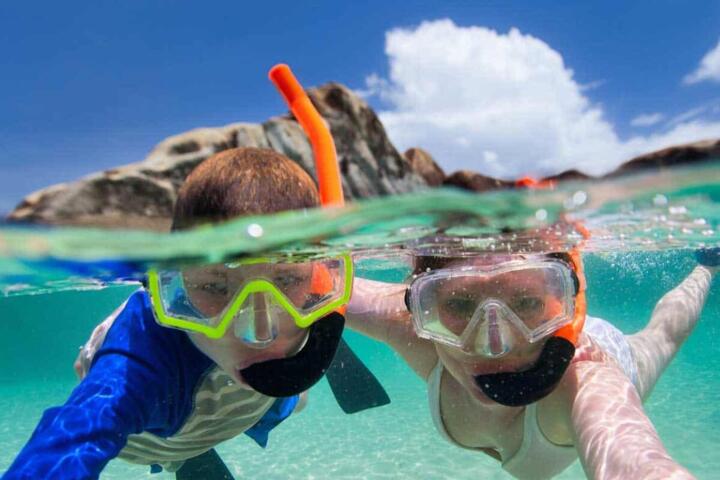
A small surf school in Costa Rica faced severe downtime during off-season waves. They shifted their focus to additional watersports — stand-up paddleboarding and snorkeling rentals — doubling their revenue within six months.
At Newquay in the UK, a watersports rental company introduced tide-based scheduling for lessons and equipment pickup aligned with wave patterns. Their customer satisfaction rose 40% after less congestion and better timing.
Surf Spot Features at a Glance
| Location | Wave Type | Skill Level | Best Season |
|---|---|---|---|
| Uluwatu | Reef break | Advanced | May–Sept |
| Tamarindo | Beach break | Beginner to Pro | Year-round |
| Muizenberg | Point break | Beginner | Summer |
| J-Bay | Point break | Advanced | Winter |
Frequent Errors to Watch For
Using equipment incompatible with local water types — a foam board won’t perform well on fast reef breaks. Renting without testing size and buoyancy often leaves beginners frustrated.
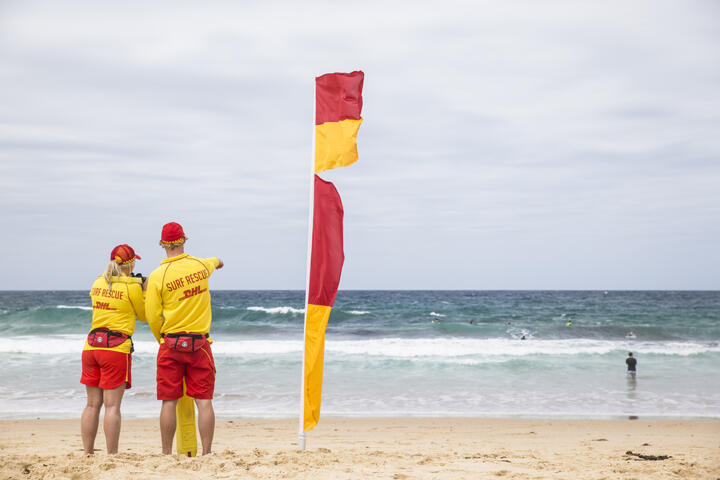
Overestimating personal skill, especially near strong rip currents, leads to many avoidable rescues. Confirm current strength on apps or lifeguards’ reports.
Miscalculating tides and visiting during low tide at shallow reef beaches can cause injuries and damage to boards. I once saw a friend scrape his board badly trying to paddle on exposed reef at low tide, which, frankly, most people skip learning about.
FAQ
What beach suits beginners best?
Beaches with gentle, beach break waves like Tamarindo, Costa Rica, provide forgiving waves and safer sand-bottom conditions for gradual skill growth.
How can surfers predict good surf conditions?
Surf reports and swell forecasting apps such as Surfline or Magicseaweed give data on wave height, wind speed, and tide times, helping surfers pick best time slots.
Are wetsuits necessary for surfing?
Wetsuit use depends on water temperature. Locations like California require them most months; tropical spots like Bali often do not.
What are reef breaks?
Reef breaks occur over coral or rock formations, producing more hollow and powerful waves but requiring caution due to sharp underwater surfaces.
Can I do other watersports at surfing beaches?
Many surfing beaches also support kayaking, paddleboarding, and kitesurfing, but restrictions can apply near swimmers or in marine reserves.
Author's Insight
Surfing diverse beaches taught me adaptability is key—different breaks demand varied tactics. Early lessons often involve wiping out unexpectedly, emphasizing safety gear over bravado. Local knowledge often outweighs online data, and missing to ask locals once or twice has cost me both time and gear. My top advice: expect the unexpected and respect the ocean’s power.
Summary
Identifying best surf and watersport beaches requires inspecting wave types, local climates, and safety factors. Renting locally and timing visits exactly per swell patterns can transform any trip from frustrating to unforgettable. Engage with communities and keep safety protocols front of mind to enjoy your time in the water thoroughly.