Learning Festival Culture
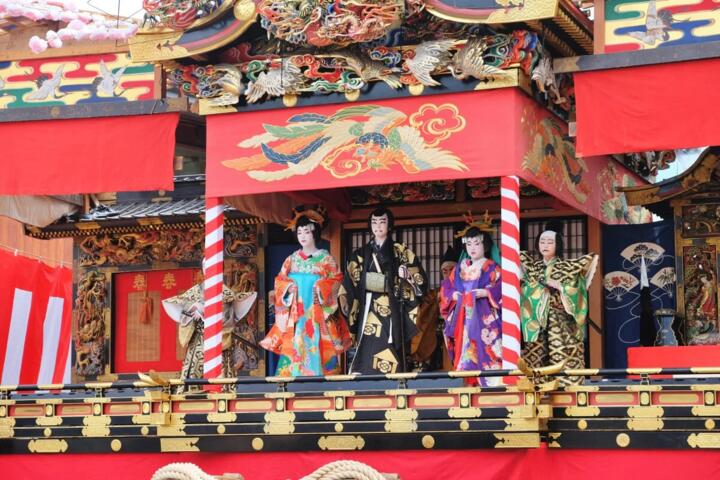
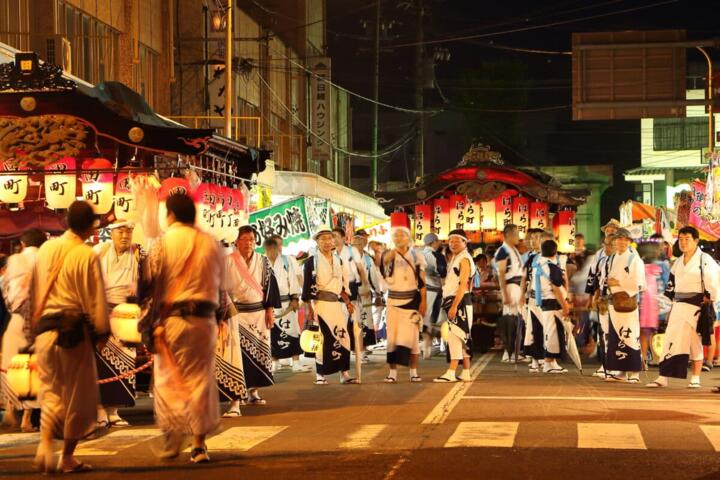
Local festivals capture the essence of a community’s cultural identity by assembling its unique traditions. Take the Gion Matsuri in Kyoto, Japan, which has run annually for over 1,100 years; it connects locals through rituals that honor Shinto gods linked to protection against plagues. Or consider the Albuquerque International Balloon Fiesta, drawing 800,000 visitors each year, showcasing southwest American culture through vibrant visual spectacle.
More than just entertainment, festivals distill history, beliefs, and social practices into tangible forms—dance, costume, cuisine—all shared publicly. Festival attendees experience culture first-hand instead of reading about it, gaining embodied understanding of what a given society values or commemorates. The number of participants or visitors also measures community engagement. For example, Oktoberfest in Munich brings around 6 million people annually, signaling both local pride and global fascination with Bavarian customs.
Knowing a culture through festivals means seeing living traditions rather than static artifacts. Almost no other event combines sensory, communal, and historical elements as intensely. Festivals often coincide with agricultural cycles, religious calendars, or historical anniversaries, grounding people in seasonal and societal rhythms. They manifest cultural DNA in a way books cannot capture.
Common Misunderstandings
Most people see festivals as mere parties or tourist attractions, missing deeper cultural layers. This superficial view strips away context, reducing complex traditions to clichés or commercialized versions. For instance, many think of Carnival in Brazil just as a wild party, ignoring its origins in Catholic and African spiritual syncretism.
This loss of context can lead to cultural appropriation or erasure, where outsiders mimic rituals without respect for their origins, or communities themselves lose meaning behind festival practices by adapting them for tourism. Some festivals become spectacles divorced from everyday life, creating a gap between performance and genuine identity.
Ignoring cultural underpinning risks homogenizing diverse expressions into flat experiences. The consequences extend beyond misunderstanding—local pride can dwindle, heritage vanishes, and social cohesion weakens. A festival that once marked communal solidarity can degenerate into corporate marketing, losing moral and historic anchoring.
I have witnessed rural towns where youth no longer attend their traditional spring festivals, seeing them as irrelevant or outdated. This disconnect imperils the transmission of intangible culture: languages, oral histories, and rituals embedded in celebrations.
Strategies to Learn Culture
Engage with Local Hosts
Talk to festival organizers or community elders actively involved in planning. Those knowledgeable individuals explain symbolism behind dances, costumes, and ceremonies. Understanding intent changes perception from spectator to participant. Digital platforms like Meetup or local Facebook groups often list cultural events with contact info.
Focus on Authentic Food
Festival cuisine reveals agricultural practices, trade history, and social rituals. Sampling dishes made from indigenous ingredients like the black corn tortillas at Mexico's Day of the Dead or clam bakes on Nantucket Island shows food culture's role in identity. Farmers markets tied to festivals can be excellent spots to see food heritage alive.
Observe Rituals in Detail
Watch gestures, sequences, and timing of activities—not just the spectacle. For example, in Diwali celebrations, lighting lamps and the order of prayers encode ideas about purification and renewal. Using video apps can help replay subtle details missed live, a trick I learned in 2019 attending a Rangoli competition in Mumbai.
Use Audio Guides or Local Tours
Guides with deep community ties offer perspective on origins and evolution of festivals. For example, in Scotland’s Highland Games tours, guides explain clan histories behind certain events, making visible centuries of social dynamics. Apps like Detour provide immersive historical audio connected to specific locations.
Attend Workshops
Participate in hands-on workshops like mask making, traditional dance, or cooking classes during festivals. This embodied learning offers insight into craft techniques, motivations, and stories behind practices. At the Venice Carnival, mask-making classes reveal centuries of social and political subversion expressed through disguise.
Document and Reflect
Keep field notes, audio recordings, or photographs with permission. Comparing multiple festivals across regions shows variations and shared themes—revealing cultural diffusion and adaptations. Writing reflections helps internalize experiences beyond sensory impressions.
Support Local Artists
Buying crafts or art directly from makers sustains intangible culture and economic security. It also opens conversation channels about meaning and context that mass-produced souvenirs lack.
Analyze Symbols
Learn the stories behind costumes, flags, or emblems used during festivals. The Maasai Moran warrior attire worn in many East African ceremonies signals rites of passage tightly interwoven with identity and age sets. Wikipedia and local cultural centers often archive these symbolographies in accessible formats.
Monitor Attendance Trends
Tracking festival attendance over years indicates cultural resilience or fading popularity. Data from National Endowment for the Arts shows U.S. state fairs overall drew 30 million visitors per year in the 2010s—with shifts toward more urban participation highlighting cultural migration patterns.
Examples of Festival Impact
The Edinburgh Fringe Festival expanded a local theater scene to the largest arts festival worldwide, growing from 8 companies in 1947 to over 3,500 in 2019. It illustrates how grassroots events can evolve into cultural touchstones that affect city identity and the economy. Revenues exceed £313 million, showing substantial cultural and financial traction.
In contrast, the Palio di Siena, a medieval horse race, stayed tightly connected to historical neighborhoods (contrade) and their identities since the 17th century. The event's social significance fosters fierce but friendly rivalry that keeps community narratives alive through centuries, not commercialized tourist kitsch.
Festival Culture Checklist
| Aspect | Indicators | Why It Matters | Observation Method |
|---|---|---|---|
| Rituals | Prayers, processions, dances | Shows values, beliefs | Participant observation |
| Food | Local ingredients, dishes | Links to environment | Tasting, market visits |
| Music | Instruments, songs | Conveys moods, histories | Audio recordings |
| Symbols | Costumes, flags, emblems | Represent identity | Interviews, guides |
| Participation | Attendance numbers | Show social importance | Official reports |
Typical Errors and Fixes
Assuming all festivals mean the same thing creates shallow understanding—each reflects distinct local history and worldview. Instead, learn context before drawing conclusions. Misinterpreting symbols or ignoring oral histories also distorts meaning. Engage locals for clarification and avoid guesswork.
Over-focusing on touristy parts can mask real cultural practices. Balance attends to both public events and quieter neighborhood rituals. Finally, neglecting language nuances leads to missed subtleties; some concepts don’t have neat English equivalents. Collaborate with bilingual guides when possible.
FAQ
How do festivals reveal cultural identity?
Festivals combine rituals, foods, music, and symbols that reflect a community’s history, values, and social bonds. They illustrate culture in practice rather than theory.
Can outsiders truly understand festivals?
Yes, through active participation, dialogue with locals, and learning context beyond visual spectacle. Superficial visits limit insight.
Why do attendance numbers matter?
They indicate community engagement and the vitality or decline of cultural traditions linked to festivals.
Are modern festivals losing meaning?
Some risk commercialization and detachment from origins. However, many adapt dynamically while preserving core cultural elements.
How to avoid cultural appropriation during festivals?
Respect traditions, seek permission for participation or documentation, and prioritize supporting local communities directly.
Author's Insight
Attending local festivals repeatedly over the past decade taught me that culture lives in interaction—not just observation. Once, while at a Basque festival in 2017, the way elders explained a ritual dance changed my entire perception. Each festival is a dialogue: between past and present, insiders and visitors, ritual and everyday life. Skimming events for quick snapshots won't cut it. You must dive in thoughtfully, with patience and curiosity.
Key Takeaways
Local festivals provide vivid proof of cultural identity through layered rituals, foods, music, and symbols. Misunderstanding these events risks flattening rich traditions into clichés. Focus on learning from community members, exploring meanings behind practices, and respecting origins. Attending with intention reveals culture beyond the surface, supporting heritage preservation in a measurable way.