Understanding Cultural Immersion
Traveling isn’t just about seeing sights; it’s about living moments shaped by a place’s history, traditions, and people. Authentic cultural experience hinges on engaging with everyday life, not just visiting landmarks. For example, in Kyoto, attending a neighborhood tea ceremony reveals nuances that guidebooks skip. According to a 2023 study by the Travel Research Institute, 56% of travelers felt more connected to a destination after participating in local customs.
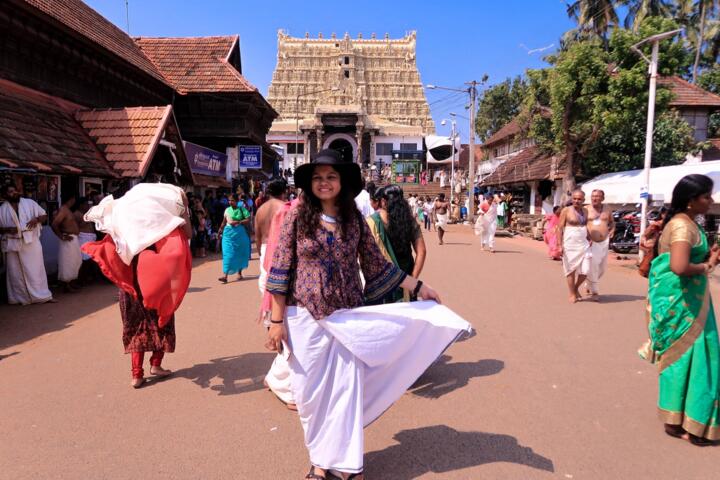
Local culture varies dramatically, from food and festivals to social norms and language quirks. The key lies in observing and participating actively rather than passively consuming tourist versions of culture. Real experience involves sensory details: the sound of street vendors’ calls in Hanoi, the aroma of spices in Marrakech’s markets, or footwear customs in Rajasthan's temples.
Common Missteps in Cultural Travel
When travelers prioritize convenience over curiosity, they miss authentic interaction. Relying on international chains or packaged tours often produces a shallow snapshot instead of an immersive photograph. Ignoring local etiquette can cause offense or awkward barriers that sever potential connections. For instance, in Japan, ignoring shoe removal protocols at homes closes many doors.
Ignoring these aspects yields encounters resembling a movie set—staged, artificial, devoid of genuine human exchange. When cultural experiences are reduced to selfies and souvenirs, the traveler loses the nuance that gives the place its spirit. Conversely, poor preparation can lead to discomfort or vulnerability, like dining in a country without knowing key food allergens or ignoring dress codes at religious sites.
Practical Tips to Dive Deep
Book Local Homestays
Staying with local families offers direct exposure to daily life rhythms and traditions. Platforms like Airbnb Experience or Couchsurfing often list hosts eager to share meals, festivals, and stories. Homestays advance language skills and reveal habits unseen in hotels. According to Airbnb data, guests rate homestays 20% higher in cultural satisfaction.
Attend Community Classes
Cooking workshops, craft sessions, or dance classes create hands-on ties to local heritage. For instance, joining a pasta-making class in Naples or embroidery workshops in Oaxaca uncovers skills handed down through generations. These small micro-experiences anchor you in local narratives and build skills, not just memories.
Use Public Transport
Buses and trains expose travelers to authentic social environments. Sitting near locals provides insights into daily routines missed in taxis or rental cars. New York’s subway or Bangkok’s tuk-tuks reveal fast-paced, layered city life. You save time, reduce noise, and the inbox stops winning.
Learn Basic Local Language
Mastering a handful of phrases shifts dynamics with locals, showing respect and opening doors. A simple ""hello,"" ""thank you,"" or a polite question sparks conversations. Language apps like Duolingo or Tandem helped me learn Malagasy numbers before Madagascar — an effort locals appreciated.
Explore Beyond Main Attractions
Walk to residential neighborhoods, markets, or small cafes nestled off the beaten path. Wander through Lisbon’s Alfama district or Istanbul’s Kadikoy area for raw daily life snapshots. Avoiding huge crowds means more sincere interactions and less staged performances.
Participate in Local Festivals
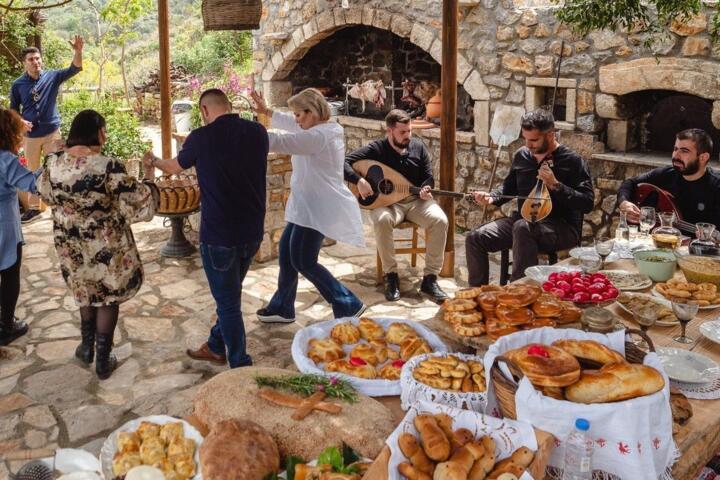
Festivals are cultural capsules packed with rituals, music, and food. Timing travel to coincide with events like India’s Holi or Spain’s La Tomatina expands understanding of communal spirit. These moments highlight how culture functions live, breathing, and evolving.
Support Artisan and Small Businesses
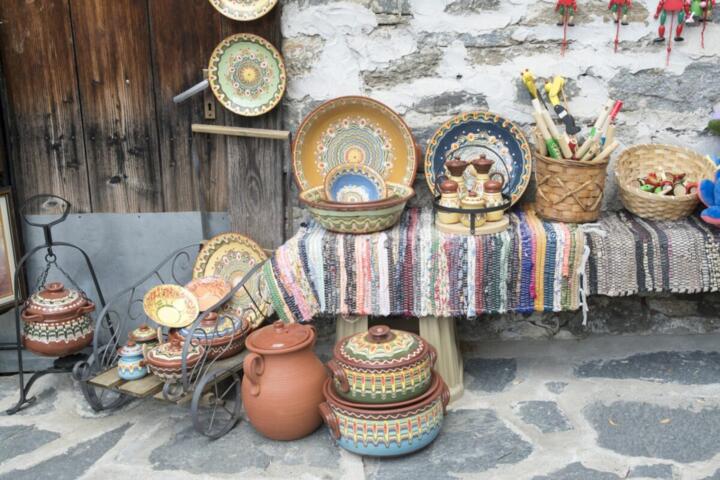
Shopping at local markets or craft shops helps preserve traditions economically. Purchasing handwoven textiles in Peru or ceramics in Venice means sustaining the craft’s continuation. Impactful travel directs money to cultural keepers, not global chains.
Volunteer Locally for a Day
Volunteering at community farms, teaching programs, or conservation projects connects you to societal layers rarely visible otherwise. You contribute actively while learning about local challenges and successes.
Use Local Guides
Hiring community-based guides ensures income stays within the community and provides personalized narratives. Many regions have trained guides who specialize in cultural storytelling, including indigenous knowledge. In Peru, this often triples income compared to external agencies.
Examples of Success
Consider the case of a mid-sized tour operator in Vietnam that restructured offerings to include village homestays and interactive craft workshops instead of just city tours. Within six months, bookings rose by 35%, and customer reviews highlighted the enriching experiences—an increase from 3.8 to 4.7 stars on TripAdvisor.
Another story involves a traveler who used Couchsurfing in Morocco to stay with a family during Ramadan rather than hotel parties in Casablanca. This experience led to an unexpected invitation to join the nightly iftar meal, deepening cultural insight and creating lasting friendships.
Checklist for Cultural Trips
| Action | Benefits | Tools/Apps | Outcome Metric |
|---|---|---|---|
| Stay Local | Authentic daily life | Airbnb, Homestay.com | +20% cultural rating |
| Learn Language | Better locals' rapport | Duolingo, Tandem | +30% conversation ease |
| Take Classes | Hands-on culture | Local schools, Airbnb Exp | +40% engagement |
| Use Public Transit | See true daily life | Transit apps | Fuel savings 15% |
| Attend Festivals | Live heritage | Local event sites | High enrichment |
Errors to Avoid
Don’t assume your cultural norms apply; instead, ask or research local customs in advance. Misreading social cues leads to exclusion rather than inclusion. For example, loud public behavior in Nordic countries is often frowned upon. Avoid skipping meals or events because they seem inconvenient — that’s where culture lives.
Avoid over-planning. Too rigid an itinerary leaves no room for surprise encounters or spontaneous invitations, which can be the trip’s highlight. Resist the urge to photograph everything; sometimes, the memory held in quiet observation surpasses any snapshot.
Lastly, do not disregard personal safety concerns disguised as adventurous spirit. Local knowledge sometimes warns you from entering dangerous neighborhoods or situations, which, frankly, most people skip, then regret later.
FAQ
How can I find authentic local experiences?
Seek community-based accommodations, attend local classes, use apps like Meetup or Airbnb Experiences that focus on cultural tours. Ask locals for recommendations, not just online reviews.
Is it safe to join local festivals?
Most festivals welcome tourists but observe safety advice and personal comfort levels. Research beforehand regarding crowd sizes, accessibility, and any political or religious sensitivities.
How much should I learn the local language?
Basic greetings and common phrases suffice to show respect and open conversations. Most locals appreciate attempts even if pronunciation is off.
What’s the best way to avoid cultural faux pas?
Read travel etiquette guides from reliable sources, watch local news, and ask your hosts or guides. Observe interactions carefully before acting.
Can I volunteer for short periods while traveling?
Yes, many projects accept day volunteers in teaching, farming, or conservation. It provides insight beyond tourism and benefits local communities.
Author's Insight
Years of travel taught me that culture reveals itself in small, quiet moments—like a shared meal, a greeting, or a gesture. I learned Malagasy numbers before Madagascar in 2019, which cracked open conversations in unexpected ways. My mistake was rushing through places—less really is more in cultural immersion. I recommend slowing down, listening more, and asking questions sincerely. That’s when travel transforms.
Summary
Genuine cultural experience means stepping beyond comfort zones and prepared scripts. Stay with locals, learn language basics, take part in community events, and support traditional crafts. Avoid stereotypes by always being curious, respectful, and open. Small investments in time and attitude pay off with deeper travel memories—much richer than just ticking landmarks off.