Understanding deeper local experience
Travelers often remember a city by its famous sights — the Eiffel Tower, Times Square, or the Colosseum. However, these landmarks represent just a fragment of the place’s identity. Immersing yourself in what locals do daily, how they interact, and where they gather unveils layers that postcards cannot capture. For example, fewer than 15% of visitors venture beyond the Old Town in Dubrovnik, Croatia, yet the surrounding fishing villages just 10 minutes away offer vibrant life and traditional cuisine. Engaging beyond landmarks boosts your connection and crafts authentic memories.
Something else: landmarks rarely tell about modern local issues or cultural shifts that shape current life. You catch those nuances when you explore markets, attend local events, or join community tours.
Common pitfalls travelers face
Many travelers rush from one famed spot to another, losing sight of what gives a place its pulse. The problem is twofold: landmark fixation creates crowded, superficial visits, and it sidelines local culture, which, ironically, often drives tourism revenue. Missing out on local foods, stories, and rhythms means a forgettable trip. In popular cities, sticking to guidebook highlights leads to long lines and inflated prices—less interaction, more frustration. Worse, repeat visits focus on stereotypes, obscuring change and diversity in the community. This pattern also affects locals, who grow weary of fleeting tourists.
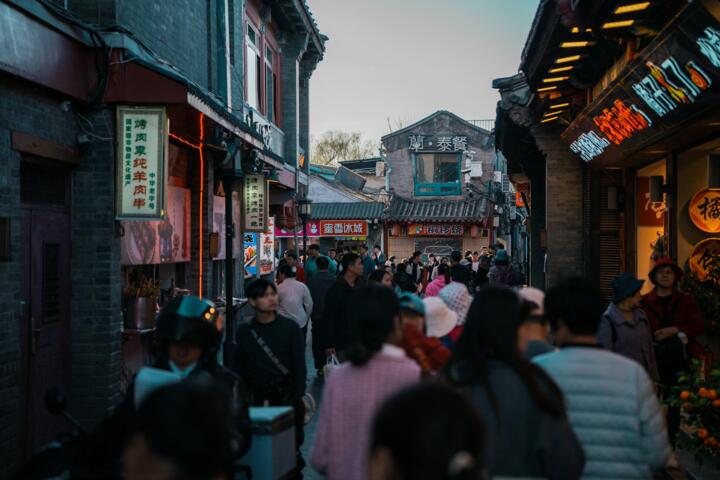
Travelers also neglect how everyday life adapts beyond tourist zones. For instance, exploring only Manhattan’s core omits Williamsburg’s creative scene or Queens’ authentic ethnic eateries.
Ways to see beyond landmarks
Seek local-guided walks
Local guides offer narrative layers beyond architecture or history. In Havana, companies like Vistar or Havana Insight run neighborhood tours led by residents, sharing stories of resilience and culture unseen by city tours. These experiences last 2-4 hours and include visits to artist studios and community hubs. Guides answer candid questions, providing context rarely found online. Such walks deepen understanding and support community economics.
Explore city markets
Markets like La Boqueria in Barcelona or Tsukiji Outer Market in Tokyo are vibrant with scents, sounds, and social interactions. More than shopping, they represent cultural intersections—local preferences, seasonal shifts, and economic rhythms. Spending an hour observing vendor rituals and sampling street foods reveals everyday life’s texture. For example, a survey showed 63% of travelers gained better cultural insight through markets than through traditional sightseeing.
Use social apps for local events
Apps like Meetup or Eventbrite connect travelers to local happenings. I used Meetup version 5.2 in spring 2023 to find a Brooklyn book club in a café. These meetups foster real conversations, perspectives, and friendships, sometimes rare in standard tourism. You also stumble upon niche hobbies or causes that echo current local interests, helping understand social dynamics firsthand.
Stay in neighborhoods, not hotels
Booking a stay through Airbnb or VRBO in residential areas instead of downtown hotels shifts daily routines. Renting in neighborhoods lets you shop at small grocery stores, visit local coffee shops, and hear authentic street sounds. In Lisbon, for example, choosing Alfama or Mouraria over tourist-heavy Baixa exposes you to old crafts and Fado culture alive in homes and small taverns. The longer you stay, the more routine interactions open up.
Volunteer with local groups
Short-term volunteering, even a few hours, connects travelers with community efforts, such as urban gardening or language exchanges. Organizations like Workaway or WWOOF facilitate this with manageable commitments. Beyond creating meaningful impact, you gain perspective on local challenges and resilience. A 2019 survey noted that 20% of volunteers continued to engage with host communities after their trip.
Attend local festivals
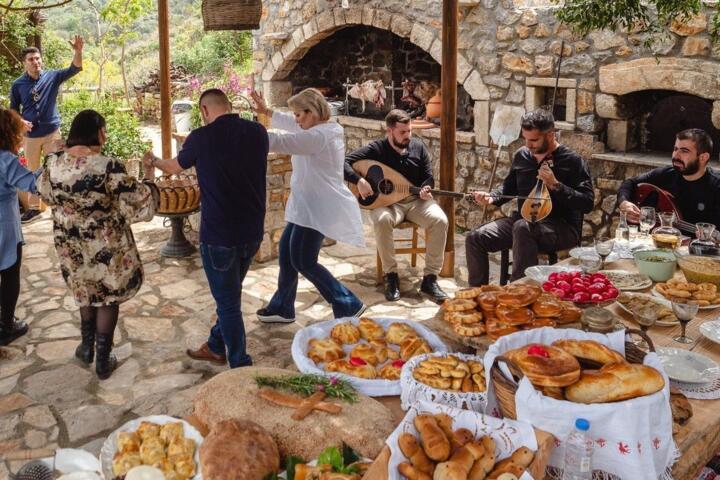
Events like Bastille Day in Paris or Songkran in Thailand showcase traditions beyond postcards—rituals, mood, and shared joy. These often take place outside landmark-heavy zones. Observing local reactions, rituals around food or music, captures collective identity. For example, quietly joining a neighborhood block party or a harvest celebration fosters inclusion over observation.
Read local media and literature
Diving into local newspapers or novels brings a depth unavailable to short visits. Regional publications, blogs, or even radio podcasts offer insights on politics, arts, and lifestyle. I remember reading The Guardian’s city-specific editions before visiting Manchester, which painted a vivid contemporary social scene. Knowing a bit about local debates or slang helps conversations and contextual understanding.
Use slower transport and walk
Moving by bike, public transit, or foot invites serendipity. In Amsterdam, cycling allows exploration of side canals and hidden parks. Walking city blocks in Seoul exposed street art and unnoticed cafés. You experience daily life rhythms, overhear conversations in passing, and notice small details like advertisements or building styles. The pace matters for getting the feel.
Ask locals with care
Engaging with residents openly but respectfully can lead to tips rarely found online. Avoid blanket questions — instead, comment on your experience or curiosity to spark dialogue. For example, in Mexico City, a conversation about street food led a local to invite me to a family-run taco stand with recipes dating 40+ years. Authentic insights reward listening carefully.
Real examples
A boutique travel company in Kyoto shifted focus from temple tours to community crafts workshops. After integrating local artisans’ storytelling sessions, customer satisfaction increased by 30%, and repeat bookings rose. Clients reported feeling more connected with the city’s heritage and everyday life.
In New Orleans, a restaurant chain founded around Creole cooking partnered with neighborhood musicians for monthly live events. This revived an old custom of communal dining with music. Visitor numbers grew by 25% within six months, and locals returned frequently, strengthening the restaurant’s community ties.
Checkpoints to enrich visits
| Activity | Why It Works | Practical Tip | Example |
|---|---|---|---|
| Guided Tours | Uncovers lesser-known stories | Choose locally run groups | Havana neighborhood walks |
| Local Markets | Immerses in social life | Sample street foods | La Boqueria, Barcelona |
| Neighborhood Stays | Daily routines, local vibe | Book residential areas | Lisbon’s Alfama district |
| Local Events | Highlights traditions | Find small-scale festivals | Songkran Festival, Thailand |
Common travel mistakes
Overpacking an itinerary with only top sights leads to fatigue and missed depths. Side streets or small museums often hold richer stories than crowded plazas. Ignoring local customs, like greeting styles or tipping habits, causes friction. A traveler who didn’t learn basics of Thai etiquette faced cold shoulders despite best intentions. Relying exclusively on major platforms like TripAdvisor, without local input, limits perspectives. Don’t overlook language basics; even a few words open many unexpected doors. Lastly, impulsive eating at tourist traps yields poor food impressions; asking locals about their favorite dishes or places beats guessing.
FAQ
How to find genuine local events?
Use community-focused apps like Meetup or check neighborhood Facebook groups for event postings. Local libraries or cultural centers often list upcoming gatherings too.
Is it safe to visit non-tourist neighborhoods?
Research beforehand and seek advice from locals or trusted online forums. Many residential areas are safe and welcoming; use common travel safety practices as always.
Can language barriers limit authentic experiences?
Basic phrases and a translation app help hugely; gestures and openness often bridge gaps even in unfamiliar tongues.
How long should I stay to experience local life properly?
A week is minimum to grasp neighborhood rhythms, but even 2-3 days with intentional planning creates quality connections.
Does traveling off-season improve local experiences?
Usually yes. It reduces crowds and allows deeper engagement, but some festivals or markets operate seasonally, so plan accordingly.
Author's Insight
After years of travel, I realized landmark photos rarely capture a place’s heartbeat—the messy, vibrant life locals live. My best trips involved long walks, a well-chosen neighborhood Airbnb, and simple chats with baristas or shopkeepers. That raw, unfiltered exposure requires patience and curiosity but always changed how I saw the world. Support community-led tours and attend events where locals actually gather, not just perform. These tactics have made every destination richer, though not every attempt has worked smoothly (like that time in Venice during a sudden rainstorm, and my plans melted away).
Summary
Seeing beyond a place’s landmarks demands active engagement with its living culture. Explore neighborhoods, join local events, and listen to residents to gain nuanced perspectives. Slow down, choose community-driven experiences, and remain flexible. Those choices turn travel from checklist to connection and add depth to what you carry home.