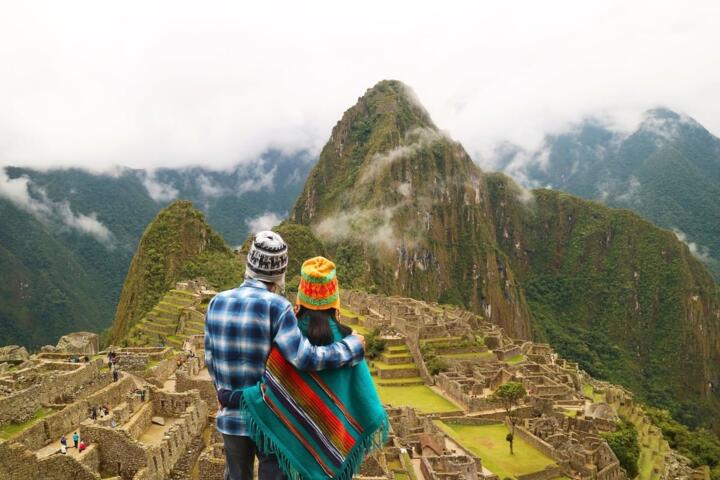
Cultural Heritage Overview
Places with rich cultural history invite travelers into human stories spanning millennia. For instance, the ancient city of Varanasi in India traces continuous habitation for over 3,000 years, making it one of the oldest living cities globally. Another example is Kyoto, Japan, home to more than 2,000 temples and shrines, reflecting centuries of imperial heritage. Locations like these offer tangible remnants and intangible traditions that connect present-day visitors with deep historical currents.
Yet, appreciating cultural heritage demands more than visiting landmarks. It requires active engagement to understand context and significance. Over 60% of heritage tourists globally seek authentic local experiences, emphasizing how cultural history appeals differently from conventional sightseeing.
Experts advise splitting visits between sites, museums, performances, and local neighborhoods. This method reveals human stories often missed by casual observation.
Common Missteps in Heritage Travel
One major error is superficial touring. Quickly ticking off monuments without learning their backstories leaves memories flat and less meaningful. For example, visiting Rome’s Colosseum without grasping its societal role misses layers of Roman life and ancient political spectacle.
Ignoring local perspectives also distorts cultural understanding. Heritage involves living communities whose traditions evolve; their voices add depth that guidebooks often overlook. Without this, visitors risk reinforcing stereotypes or missing ongoing cultural dynamics.
Such oversights risk homogenizing cultures, reducing complex histories to mere photo ops. The consequences deepen when tourists damage fragile sites inadvertently or disrespect rituals unintentionally.
The consequences extend beyond travel, influencing how societies perceive and preserve their past. Thus, cultural tourism shapes identity and historical narratives both ways.
Ways to Engage Deeply
Research Before Travel
Gathering information beforehand frames visits and prevents surprises. Scholarly books, local archives, and documentaries offer insights. For example, reading ""Jerusalem: The Biography"" by Simon Sebag Montefiore sets up expectations more richly than typical guidebooks. Online forums like TripAdvisor host firsthand tips that, while sometimes inconsistent, contain real nuances.
Research also highlights cultural taboos and celebrations to respect. It sharpens curiosity into focused questions during guided tours.
Hire Local Guides
Guides with deep knowledge of their region enhance experience by telling stories not printed in signs. In places like Cusco, Peru, community guides connect visitors to Incan history intertwined with modern Quechua culture. These guides often share personal family anecdotes, offering authenticity no app replicates.
Services such as Context Travel and LocalGuddy specialize in expert-led local tours, supported by reviews proving 80% positive tourist impact on local economies.
Participate in Cultural Workshops
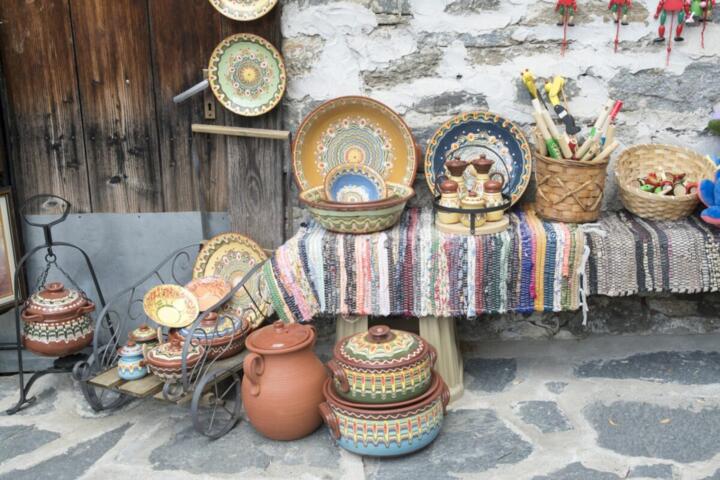
Cooking classes, craft sessions, or traditional dance workshops immerse travelers. In Fez, Morocco, tile-making workshops trace centuries-old zellige artistry. Participants learn technique and symbolism simultaneously.
Hands-on activities create memories far beyond the visual and support intangible heritage preservation.
Visit Museums with Context
Choose museums that contextualize artifacts within social history and avoid displays that strip meaning. The Egyptian Museum in Cairo offers detailed chronological exhibits and conservation efforts explaining the past's complexities. Audio guides or augmented reality (AR) apps like Smartify add layers of interpretation and engagement.
Support Cultural Festivals
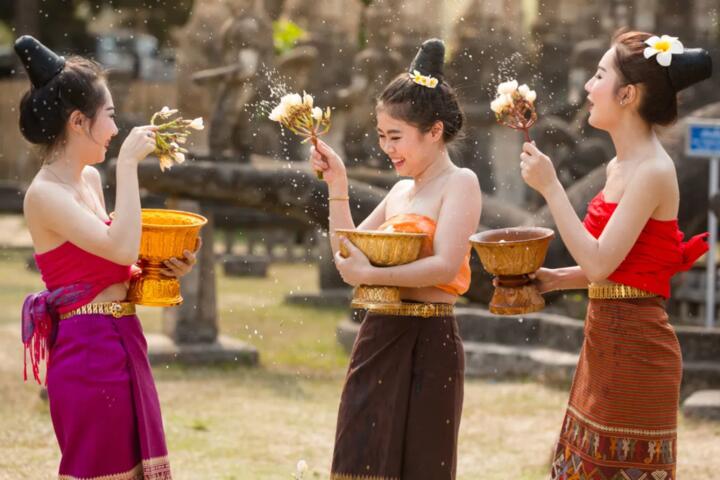
Attending festivals connects travelers with living traditions. The Festival of San Fermin in Spain or the Gion Matsuri in Japan showcase centuries-old customs with participant-driven energy. Observing preparations and rituals provides insight into communal identity.
These events often attract large crowds, so planning and local sensitivity prove necessary.
Use Technology Mindfully
Apps like Google Arts & Culture help explore historical sites remotely or supplement visits with detailed explanations and VR experiences. Yet, focusing too much on screens interrupts genuine engagement and conversation with locals.
Balancing digital tools with sensory attention enhances learning without distraction.
Stay in Historic Homes or Districts
Accommodation within heritage quarters, such as a Riad in Marrakech or a ryokan in Kanazawa, places visitors in everyday living cultural contexts. Walking narrow lanes at dawn, hearing local sounds, smells—these conjure times layered beneath modernity.
These stays often support preservation by funding upkeep of historic architecture.
Heritage Travel Cases
Consider a small travel company in Turkey, Anatolia Adventures. They noticed tourists overwhelmed by Istanbul’s complex history and rushed through key sites. They introduced slow cultural tours focusing on Ottoman crafts, with local artisans teaching workshops. Tour feedback scored above 9/10, and bookings grew 40% year-on-year, showing deeper interest pays.
Another example: The City of Athens invested €25 million from 2018–2023 in augmented reality apps at archaeological parks. Visitors increased by 18%, and user satisfaction surveys showed 30% more engagement with exhibits after app use.
Such numbers demonstrate how thoughtful approaches sharpen cultural awareness and economic returns simultaneously.
Site Comparison Guide
| Location | Era | Highlight | Visitor Tips |
|---|---|---|---|
| Varanasi, India | 3000+ yrs | Ghats & rituals | Morning boat tours |
| Kyoto, Japan | 1000+ yrs | Temples & tea arts | Hire certified guides |
| Rome, Italy | 2000+ yrs | Ancient ruins | Buy skip-line tickets |
Tourist Errors to Beat
Many rush through key sites, prioritizing quantity over quality. Missing stories means missing context, making visits hollow.
Ignoring local customs generates friction and stains reputations worldwide. For example, inappropriate photography at religious ceremonies in Southeast Asia offends many. A simple ask, ""May I shoot?"" solves tension instantly.
Failing to acclimate to climate, crowds, or language barriers stresses travelers unnecessarily. Preparation with apps like Google Translate or weather alerts adds ease.
Relying solely on online reviews also misleads; some lack depth or come from casual tourists uninterested in culture.
FAQ
What defines cultural history in travel?
Cultural history represents human activities, beliefs, and artifacts preserved through time, including architecture, rituals, art, and traditions that show societies' evolution.
How can I avoid cultural insensitivity?
Learn key local customs in advance, ask permission before photographing, dress appropriately, and engage respectfully with traditions and locals.
Are guided tours better than solo visits?
Guided tours add expert narratives and access to off-path locations; solo visits give freedom but require more research to decode significance.
Which digital tools aid cultural exploration?
Apps like Smartify, Google Arts & Culture, and local tourism apps provide augmented reality, explanatory content, and audio guides enhancing understanding.
How can I support cultural preservation?
Choose eco-conscious tours, buy local crafts fairly, attend community-run events, and respect site rules to minimize impact.
Author's Insight
Decades of travel taught me that cultural history unfolds best at slow speed. I once spent three days in Oaxaca, Mexico, with a single guide who illuminated neighborhood histories and Zapotec art. Without her, the city’s layers would have flattened into just another stop. Being open to local narratives changed my experiences—and perspective—profoundly. Use local expertise often and let curiosity lead beyond high-traffic monuments.
Summary
Rich cultural histories mark destinations with stories etched over centuries. Avoid superficial visits by researching deeply, engaging local voices, and participating actively in traditions. Mindful preparation paired with immersive experiences transforms heritage travel from a checklist into personal connection. Use specialized apps, local guides, and festivals to anchor understanding and respect living cultures. These actions yield richer memories and sustain the cultural fabric for future generations.