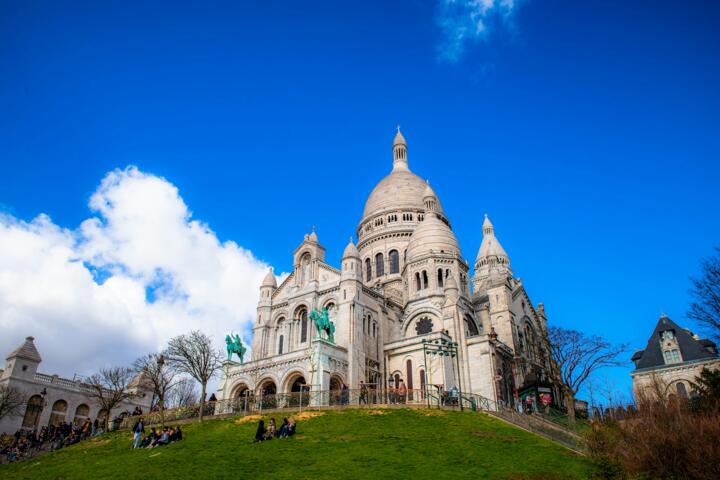
Respecting Sacred Spaces
Attending religious sites means more than sightseeing; it involves engaging with deeply held beliefs and rituals. For instance, the Vatican welcomes over 6 million visitors yearly, many uncertain about dress code or conduct. Observing silence or removing shoes in settings like Buddhist temples shows reverence. A small act such as covering shoulders at a mosque avoids unintended offense. Visitors often misjudge how to behave in these spaces, confusing cultural norms with religious ones.
Some sites expect donations; others forbid photography. When in doubt, ask locally or watch others. Only 15% of travelers research etiquette before arrival, leading to awkward moments that could easily be avoided by curiosity and caution.
Common Missteps
Disrespect in sacred places disrupts worshippers and can result in bans or fines. Talking loudly clashes with prayer rituals. Dressing immodestly might halt entry—or worse, offend hosts deeply. Ignoring signs prohibiting food or drink damages sanctity. Some fail to turn off cell phones, creating distractions. These behaviors provoke tension, even hostility, undermining tourism’s goodwill.
At Angkor Wat, visitors once damaged ancient reliefs with careless selfies. At Israel’s Western Wall, failing to separate genders in prayer sections caused discomfort and complaints. Visitors unaware of local religious calendars may arrive during solemn holidays, misreading the atmosphere entirely.
Ways to Show Respect
Dress Modestly and Appropriately
Different religions enforce different dress codes: no shorts in Sikh gurdwaras; women covering hair in Orthodox churches; removing shoes in Hindu temples. This shows humility and respects sacred traditions. Long skirts, covered shoulders, and closed shoes usually pass at many locations globally. An outfit with a shawl or scarf often suffices where headcovering is customary. Retailers like REI and Uniqlo offer quick-dry scarves for travelers dealing with hot climates—a useful tip.
Follow Entry Rules Carefully
Observe posted signs for dress, photography, and behavior. Some places restrict time inside or forbid certain items like water bottles or hats. Online guides for places like Meiji Shrine in Tokyo or the Sheikh Zayed Mosque in Abu Dhabi provide detailed visitor rules. Compliance avoids embarrassment and supports site preservation. In 2021, enforcing entry policies reduced crowding and improved visitor experience at Machu Picchu.
Maintain Physical and Vocal Quiet
Many sites ask visitors to stay silent during prayers or meditation. Talking quietly when permitted respects worshippers’ concentration. Phones on silent or off prevent disruptions. Avoid sudden movements or loud laughter in meditation halls or prayer rooms. For example, visitors to Kyoto’s Zen temples learn early how hushed whispers preserve the atmosphere. These actions foster a calm, respectful environment.
Seek Permission Before Photos
Not all photography is allowed. Ask first—especially inside mosques, synagogues, or monasteries. Flash can damage artwork and disturb rituals. Guided tours sometimes offer specific photo permissions. Following this habit prevents conflict and respects privacy. Apps like Google Translate can facilitate quick permission requests in local languages.
Remove Shoes When Required
Many faiths, including Islam, Hinduism, Buddhism, Jainism, expect shoe removal to maintain cleanliness. Signs or shoe racks mark these areas. Timing removal properly avoids stepping barefoot on dirt or uneven floors. It shows sensitivity to sanctity. I once underestimated a monk's gentle reminder to remove shoes atop a steep stone stair; awkward but instructive.
Respect Worship Rituals
If you witness believers praying, don’t interrupt or walk in front of them. Some rituals last only a few minutes, like lighting candles or silent bowing. Joining without invitation can seem intrusive or disrespectful. In Jewish synagogues this is a major no-no; in Thai temples, mimicking gestures incorrectly is frowned upon. Observing discreetly honors local practice.
Handle Donations Thoughtfully
Some religious sites rely on donations to operate. Noticeably absent donation bowls may mean donations aren’t accepted. If accepted, give discreetly and with respect. Don’t expect receipts or acknowledgment. Avoid soliciting favors in exchange for money, which feels transactional rather than reverent. The average donation ranges widely—from a symbolic 1 dollar in Southeast Asia, to 5–20 euros in European cathedrals.
Understand Gender and Space Rules
Gender segregation operates in many religions—Muslim mosques, Orthodox synagogues. Certain areas may forbid photography or alter access by gender. Ignoring this causes discomfort or outright denial of access. Learning the site's gender rules ahead avoids tension. Google searches often miss these nuances, so pairing info from local posts helps. A visitor guide from the Shiite shrine in Najaf clearly warns of these rules, reducing incidents sharply.
Use Local Resources for Guidance
Museums, visitor centers, or religious officials often offer tip sheets or recordings about behavior. These resources clarify expectations and provide real-time updates. For example, the Buddhist temple Wat Pho in Bangkok gives printed etiquette cards translated into 10 languages, improving visitor conduct measurably.
Real-World Examples
A large tour operator once brought 50 tourists to the Golden Temple in Amritsar without briefing on head coverings or shoe removal. The temple staff halted entry until the group properly complied, losing about 3 hours. After a training session, the operator revised protocols; subsequent visits ran smoothly and increased visitor satisfaction by 25%.
Another case: a university field trip to Lourdes overlooked the site’s quiet devotion hours. Students chatted loudly and used phones inside the grotto area. Local authorities issued stricter rules after complaints. The university responded with mandatory orientation sessions explaining these rules upfront, cut infractions by more than half in the following year.
Etiquette Checklist
| Rule | Action | Why | Example |
|---|---|---|---|
| Dress Code | Cover shoulders & knees | Shows respect | Mosques like Al-Aqsa |
| Photography | Ask permission first | Avoid offense | Sistine Chapel |
| Quietness | Speak softly or not at all | Respect prayer | Zen temples |
| Shoes | Remove before entry | Cleanliness | Hindu temples |
| Donations | Give discreetly | Support site upkeep | Catholic churches |
| Respect Rituals | Observe, don’t interrupt | Do not disturb worshippers | Jewish synagogues |
Frequent Errors & Fixes
Failing to research local expectations is the biggest obstacle. A common slip: wearing tank tops or shorts inside holy places. Fix this by packing a lightweight scarf or long jacket. Another error is forgetting to silence phones; it disrupts carefully maintained silence during sacred moments. Some travelers neglect to observe prohibitions on food or drink inside religious buildings, which damages interiors.
Asking for permission to photograph rarely takes more than a few seconds yet prevents offense. Attempting to photograph sacred rituals without invitation often provokes tension. A particularly avoidable mistake involves wandering into restricted areas—always read signs carefully or ask staff.
FAQ
Is it ok to take photos inside?
Taking photos depends on the site’s rules. Many religious sites forbid photography to protect sacredness or art, so always check posted signs or ask attendants.
Do I have to cover my head?
Head covering is compulsory in some places like Sikh gurdwaras and many mosques. Female visitors often carry a scarf or shawl to cover hair if required.
Are shoes always removed?
Not always, but many temples, mosques, and Buddhist halls require shoe removal for cleanliness and respect.
Can I attend if I don’t share the faith?
Most religious sites welcome visitors from any background but expect respect for rituals and customs.
How much should I donate?
Suggested donations vary widely; small offerings around 1–5 USD or local currency are common. It depends on the context and personal choice.
Author's Insight
Visiting religious sites taught me to slow down and observe deeply. One time at a Shinto shrine, a local elder quietly explained a ritual gesture, which made me realize most instructions overlook small details. Privacy and silence aren’t just rules but expressions of reverence. Preparing questions before visits often opened friendly exchanges. Respect isn’t only about rules but about humility and awareness.
Summary
Visiting religious sites respectfully calls for attention to local customs, dress codes, and silence. Learning specific entry rules—from removing shoes to photography bans—minimizes tension and enriches the experience. Engaging with those spaces thoughtfully honors traditions and opens doors beyond mere tourism. Pack a scarf, mute your phone, and observe quietly—you’ll navigate religious sites with confidence and grace.