Why Festivals Draw Travelers
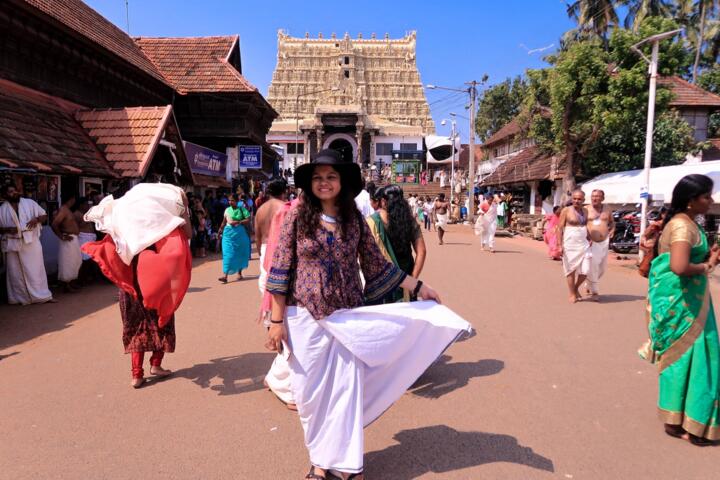
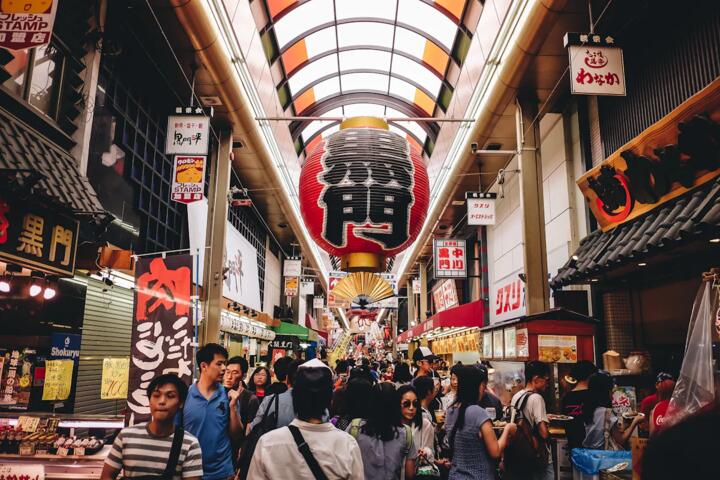
Festivals are more than just celebrations; they are immersive windows into local cultures, traditions, and communities. Take La Tomatina in Spain: over 20,000 participants gather annually to throw tomatoes in the streets for exactly one hour, creating a wildly unique experience. Then there’s India’s Kumbh Mela, attracting over 50 million people during its 2013 event, marking one of the largest religious gatherings on earth.
People travel thousands of miles not only to enjoy music or food but to witness centuries-old rituals and connect with fellow enthusiasts. These events serve as hubs for art, spirituality, and human connection.
Getting into these festivals means dealing with large crowds, complex logistics, and sometimes language barriers, but the payoff is unique. There’s often a moment when you realize you’re part of something much bigger than just a party.
Common Missteps in Festival Travel
Many travelers underestimate how demanding the logistics can be. Tickets for popular festivals sell out in minutes or require early registration months in advance. Ignoring this step leads to missed opportunities.
Another frequent error: arriving unprepared for local customs, climate, or mobility issues. For instance, attending Burning Man in Nevada’s desert without proper hydration systems or sun protection quickly turns an adventure into misery.
Failing to research accommodation options also causes frustration; cities often run out of rooms, forcing expensive last-minute stays or long commutes. Overlooking safety and health guidelines adds unnecessary risk amid massive gatherings.
The consequences include stress, wasted money, and a diluted festival experience. Some travelers leave wondering if the hype was real.
How to Master Festival Travel
Secure Tickets Early
Buy tickets on official websites as soon as sales begin. Use apps like Songkick or Festicket to track release dates in real time. La Tomatina’s official tickets vanished in 20 minutes during 2023—being late means no entry.
Choose Off-Peak Accommodation
Book lodging at 2-3 miles from event centers to save cost and avoid oversold hotels. Airbnb often has hidden gems not listed on hotel booking sites. Early reservations yield the best prices and availability.
Study Local Culture
Read ethnographic guides or watch documentary shorts about the festival’s origins. For example, Rio Carnival’s history links to Afro-Brazilian traditions; respecting them enriches participation.
Pack Smart and Light
Essentials vary. For desert festivals, bring water containers and sunscreen; for winter carnivals, thermal wear. Use packing cubes and minimalist gear like ultralight tents for multi-day stays.
Use Public Transit
Driving stalls in festival traffic. Cities like Edinburgh during Fringe Festival ramp up buses and trains. Using local transit saves hours and reduces environmental impact.
Join Guided Experiences
Some festivals offer official tours or workshops — like the Venice Biennale’s art tours. Guides provide insider knowledge, access to restricted areas, and cultural interpretation.
Plan Your Schedule Flexibly
Popular acts or events get crowded fast. Scout less-known stages or do daytime activities. Apps like Eventbrite help manage overlapping schedules dynamically.
Leverage Festival Apps
Most large festivals launch apps with maps, real-time updates, and emergency contacts. Not using them adds to confusion and missed events.
Stay Hydrated and Safe
At intense physical festivals like Holi in India, hydration and sunscreen are non-negotiable. Pack a first-aid kit and know hospital locations nearby.
Successful Festival Visits
In 2019, a small tech startup wanted to leverage SXSW Austin’s massive crowd but missed registering early for a vendor booth. They pivoted, booking rooms in nearby suburbs, using shuttle services, and booking promotional talks instead. Result? They attracted 500+ qualified leads, surpassing expected onsite contacts by 35%.
Another example: A couple traveling to Japan timed their visit during the Sapporo Snow Festival. They used festival apps to navigate daily events, avoided peak accommodation spots, and rented a bike to explore less crowded ice sculpture areas. Their trip was smooth, and they captured unique photos without the usual throng blocking views.
Festivals Breakdown
| Festival | Location | Duration (days) | Avg. Attendance |
|---|---|---|---|
| Burning Man | Nevada, USA | 8 | 70,000 |
| La Tomatina | Buñol, Spain | 1 | 20,000+ |
| Kumbh Mela | Prayagraj, India | 30 | 50 million+ |
| Rio Carnival | Rio de Janeiro, Brazil | 5 | 2 million |
Mistakes to Skip
Relying only on hearsay or outdated guides hurts planning. Festival dates and ticket rules change yearly. Checking official sources is mandatory.
Another error: overspending on gear irrelevant to the event. You need a dust mask for Burning Man, but not for Oktoberfest in Munich.
Underestimating weather variability gets travelers stranded without proper clothing. London’s Notting Hill Carnival, for example, demands layered rainproofs, yet many travelers turn up with just summer wear.
Ignoring crowd dynamics also causes trouble. Being at the front of a parade or in narrow streets can feel claustrophobic or dangerous without preparation.
Finally, not having a backup plan if tickets sell out or lodging vanishes — sometimes only local hostels hold last spots and book fast.
FAQ
When should I book festival tickets?
At least six months before for popular events like SXSW or Oktoberfest. Some limited events open registration exactly one year ahead.
Are all festivals family-friendly?
No. Some, like Burning Man, involve harsh conditions unsuitable for children. Research age restrictions and amenities beforehand.
How do I find affordable accommodation during festivals?
Look for rentals outside city centers, use couchsurfing where safe, and compare last-minute deals on platforms like Booking.com or Hostelworld.
Can I attend festivals anonymously or without speaking the language?
Yes, many festivals rely on universal elements like music and food. Still, learning a few local phrases improves interactions and access.
Is travel insurance necessary for festival trips?
Absolutely. Insurance covering trip cancellation, health, and lost items safeguards against unpredictable festival disruptions.
Author's Insight
I have attended over a dozen major festivals across four continents, from the harsh Nevada desert to vibrant Indian cities. Every experience taught me that preparation saves your energy for enjoyment. Checking dates and booking tickets early is non-negotiable. Mixing official tours with spontaneous exploration revealed layers of these events hidden from casual visitors. Packing light, yet thoughtfully, always beats lugging bulky gear. Festivals are chaotic but rewarding if you respect their pace and culture.
Summary
Select festivals with clear goals—cultural immersion, music, or social connection. Book tickets and lodging several months early, and study the local customs for smooth integration. Prepare physical needs according to climate, and trust official apps and tours. Avoid common mistakes like poor timing or underpacking. With careful planning, these festivals become travel stories worth telling for years.