Responsible Travel
Modern nature exploration is no longer just about "leaving no trace"; it is moving toward a regenerative model where the traveler actively contributes to the health of the destination. This means moving beyond the basic avoidance of littering to supporting local economies and participating in citizen science. For instance, in the Galápagos Islands, tourism revenue funds nearly 90% of the archipelago’s conservation budget, proving that high-value, low-volume travel can save entire species from extinction.
Practical application looks like choosing a "Slow Travel" itinerary. Instead of hopping between three European cities via short-haul flights, an expert traveler might spend two weeks hiking the Via Alpina in Switzerland, using the integrated SBB rail system and staying in mountain huts that utilize solar power and composting toilets. Research from the International Sustainable Tourism Council shows that travelers are now willing to pay up to 20% more for experiences that can prove a net-positive impact on biodiversity.
Costs of Tourism
The primary mistake modern travelers make is "green-washing" their own behavior—believing that simply being "outdoors" makes an activity sustainable. Traditional tourism infrastructure often places immense pressure on local water tables and waste management systems. In places like Bali or the Amalfi Coast, the influx of seasonal tourists leads to "waste leakage," where local infrastructure collapses under the volume of single-use plastics and untreated sewage.
Another critical pain point is the disruption of wildlife corridors. When hikers or off-road vehicles deviate from marked trails in national parks like Yellowstone or the Serengeti, they create "social trails." These fragmented habitats prevent small mammals and pollinators from migrating, leading to a long-term decline in local flora. According to the World Wildlife Fund (WWF), poorly managed nature tourism is a leading contributor to habitat fragmentation in emerging destinations.
Ethical Exploration
Prioritize Human-Powered Transportation
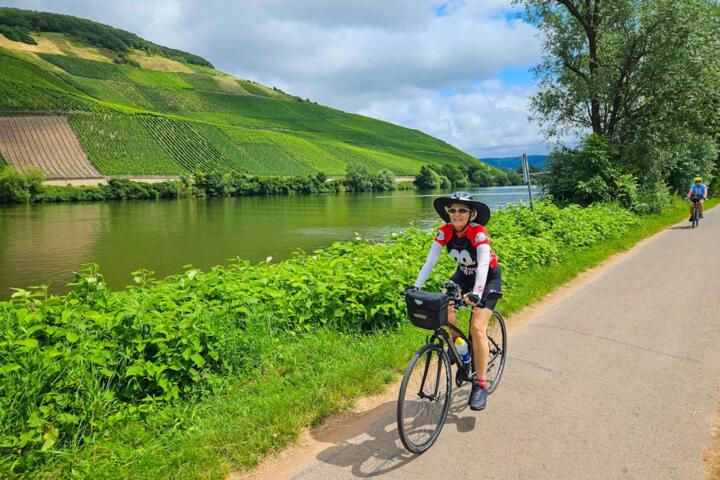
Switching from rental cars to human-powered or electric alternatives is the most significant way to reduce your carbon debt. Utilizing platforms like Komoot or AllTrails, you can plan multi-day cycling or hiking routes that bypass carbon-heavy hubs. For longer distances, the Eurail system remains the gold standard for low-emission transit across diverse terrains. Choosing a train over a domestic flight reduces your per-passenger CO2 emissions by approximately 80%.
Audit Your Technical Gear
Sustainability starts in your closet. Instead of buying "fast-fashion" outdoor gear, invest in brands with transparent supply chains and repair programs. Look for the Bluesign® or Fair Trade Certified™ labels. Brands like Patagonia offer the "Worn Wear" program to keep gear in the field longer, while Vibram now produces soles using recycled rubber. A single high-quality shell jacket maintained for 10 years has a significantly lower environmental impact than three cheap jackets replaced every three years.
Support Verified Conservation Lodging
Accommodation is often the largest part of a travel budget. Seek out stays certified by the Global Sustainable Tourism Council (GSTC). For example, Inkaterra in Peru has pioneered "carbon-neutral" hotel stays by protecting over 15,000 hectares of Amazonian rainforest to offset their operations. Avoid "eco-resorts" that cannot provide data on their gray-water recycling or energy sourcing. Look for properties using heat pumps, LED lighting, and locally sourced organic food.
Practice Advanced Waste Mitigation
Beyond carrying a reusable bottle, experts use high-performance filtration systems like Grayl or Lifestraw to eliminate the need for any plastic water bottles in regions with unsafe tap water. In high-altitude or desert environments where decomposition is slow, "Pack It Out" applies to everything, including organic waste. Using a Kula Cloth for hygiene or reusable silicone bags for snacks can reduce individual plastic waste by up to 5kg over a two-week expedition.
Engage in Community-Led Guiding
True sustainability includes social equity. Booking through platforms like Much Better Adventures ensures that 80% of your money stays in the local economy. Local guides are not just experts in terrain; they are the frontline defenders of their environment. In the Himalayas, choosing local Sherpa-led expeditions over foreign-owned agencies ensures that tourism wealth supports local schools and healthcare, creating a financial incentive for communities to protect their natural resources.
Real-World Impact
The Alpine Preservation Model
A collective of mountain guides in the Chamonix Valley noticed a 25% increase in trail erosion over five years. They partnered with the local government to implement a "reservations-only" system for high-traffic routes like the Mont Blanc ascent. By limiting daily foot traffic and charging a small "preservation fee" included in the hut price, they funded the restoration of native alpine grasses. Result: Within two years, soil stability increased by 15%, and the "social trail" density dropped significantly.
Costa Rican Biodiversity Recovery
A boutique eco-lodge, Lapa Rios, turned 1,000 acres of a former cattle ranch into a protected nature reserve. By employing former local hunters as nature guides, they flipped the economic script. The local community now earns 3x more from conservation than they did from poaching. Wildlife sightings, including the endangered Scarlet Macaw, have increased by 40% since the project began, proving that luxury travel can coexist with radical environmental restoration.
Equipment Guide
| Category | Conventional Choice | Alternative & Impact |
|---|---|---|
| Transport | Flight / SUV Rental | Rail / Bike. Reduces CO2 by 70-90%. |
| Water | Plastic Bottles | Grayl Filter. 100% waste reduction. |
| Sunscreen | Chemical-based | Zinc-oxide. Protects coral health. |
| Navigation | Paper / Disposable | Solar GPS. Less landfill waste. |
Common Mistakes
The most frequent error is "The Efficiency Trap"—buying a whole new set of "eco-friendly" gear when your current gear still works. The most sustainable item is the one you already own. Only replace gear when it is beyond repair, and even then, look for used options on Geartrade or REI Re/Supply.
Another mistake is feeding or "helping" wildlife for a photo. This leads to habituation, where animals lose their natural fear of humans, often resulting in the animal being euthanized for safety reasons. Maintain at least 100 yards from bears and wolves, and 25 yards from other wildlife. Use a telephoto lens rather than physically approaching the animal.
Finally, many travelers ignore the "Digital Footprint." Geotagging specific, fragile locations on social media can lead to an unmanageable surge of visitors (the "Instagram Effect"). To avoid this, use generic geotags (e.g., "Pacific Northwest" instead of a specific hidden trailhead) to protect the site from overcrowding.
FAQ
What is the most eco-friendly way to travel long distances?
Rail travel is consistently the most sustainable option. If flying is unavoidable, choose direct flights (take-off and landing consume the most fuel) and fly economy, as the carbon footprint per passenger is significantly lower than in business class.
Are carbon offsets actually effective?
They are a secondary tool. It is better to reduce emissions first. If you do offset, use "Gold Standard" or "Verified Carbon Standard (VCS)" projects that focus on reforestation or methane capture rather than vague renewable energy credits.
How can I verify if an eco-lodge is legitimate?
Check for third-party certifications like the Rainforest Alliance or LEED. Read their annual sustainability report; if they don't have one, or can't tell you where their waste goes, they are likely green-washing.
Is camping better for the environment than staying in a hotel?
Not necessarily. A high-density, well-managed hotel can have a lower per-person impact on water and soil than a group of "wild campers" who don't follow proper waste disposal protocols in a fragile alpine meadow.
What is the best way to handle human waste in the backcountry?
In most environments, digging a "cathole" 6-8 inches deep and at least 200 feet from water sources is standard. However, in canyons or high-alpine zones, you must use a "WAG bag" to carry it out entirely.
Author’s Insight
In my fifteen years of trekking across six continents, I’ve learned that the "perfect" sustainable trip doesn't exist. Instead of aiming for perfection, I focus on the "Rule of Three": I try to leave every campsite cleaner than I found it, I buy at least three meals from locally-owned "mom-and-pop" stalls, and I use my gear until it literally falls apart. True expertise in nature isn't about the summit; it's about the silence you leave behind when you're gone. My best advice? Slow down. When you rush, you consume more and see less.
Summary
Sustainable nature exploration is a deliberate practice that balances the desire for adventure with the responsibility of stewardship. By shifting toward human-powered transport, auditing technical gear for longevity, and supporting community-led tourism initiatives, travelers can ensure that the wild places they love remain intact for future generations. The transition from a consumer of landscapes to a protector of ecosystems is the ultimate journey. Start by choosing one element of your next trip—be it your transport or your lodging—and making it carbon-neutral. Your actions on the trail today dictate the health of the wilderness tomorrow.