Intimate Wine Escapes
A romantic wine tour is not merely a sequence of tastings; it is an exercise in slow travel and sensory alignment. While the average tourist might visit four tasting rooms in a day, an expert-led couple's tour focuses on two deep-dive experiences that prioritize quality over volume. This approach allows for "vertical tastings," where you sample different vintages of the same label, revealing how time and weather shape a single plot of land.
In my experience, the most successful itineraries are those that integrate "active leisure" with consumption. For instance, a morning spent cycling through the Route des Grands Crus in Burgundy creates a physical connection to the soil before the first glass is ever poured. It transforms the wine from a commodity into a reward for a shared journey.
Statistics from the Wine Tourism Index suggest that travelers who book private, appointment-only visits report a 40% higher satisfaction rate compared to those visiting walk-in tasting rooms. Furthermore, according to Silicon Valley Bank’s State of the Wine Industry Report, the shift toward "experiential" visits is now the primary driver for high-end consumers, as people look for stories, not just bottles.
Itinerary Failures
Many couples fall into the trap of over-scheduling, turning what should be a leisurely escape into a logistical marathon. Attempting to visit too many regions or estates in a single weekend leads to "palate fatigue," where the nuances of a delicate $150 Pinot Noir are lost because your senses are overwhelmed.
A significant issue is the reliance on "Big Box" tour operators that prioritize volume. When you are herded into a tasting room with 20 other people, the romance evaporates. You lose the opportunity for the one-on-one dialogue with the winemaker or sommelier that provides the "insider" feeling essential for a premium experience.
The financial consequence of poor planning is also real. Booking through generic platforms often results in inflated "tasting fees" that aren't waived with a purchase. Additionally, failing to account for transport logistics in rural regions like Paso Robles or The Barossa Valley can lead to safety risks or exorbitant last-minute ride-share costs, which average 2.5 times higher in viticultural zones than in urban centers.
The Perfect Journey
Prioritizing Micro-Terroir Experiences
Instead of visiting the largest, most famous estates, look for "Boutique" or "Cult" wineries that produce fewer than 5,000 cases annually. These locations, such as Screaming Eagle (if you have the connections) or smaller Grower Champagne houses like Agrapart & Fils, offer a level of intimacy that massive châteaus cannot match. This works because smaller operations rely on personal storytelling, making the couple feel like guests rather than customers.
Leveraging Professional Concierge Services
To access "locked door" wineries, utilize services like Black Tomato or Prior. These agencies have existing relationships with estate owners that are not accessible to the general public. On the ground, tools like CellarPass or Tock are essential for securing specific time slots, ensuring you aren't waiting in line. In Napa Valley, for example, a curated booking through a luxury concierge often includes a private tour of the fermentation caves, a detail that adds significant "wow factor" to a romantic date.
Integrating Gastronomic Synergy
A wine tour is incomplete without a culinary component that mirrors the wine's quality. Seek out estates that offer "Farm-to-Table" pairings where the ingredients are grown on-site. In Italy, Castiglion del Bosco offers a forest-to-table experience where couples can hunt for truffles before enjoying them with a Brunello di Montalcino. This holistic approach grounds the wine in its geographical context, making the memory more vivid.
Utilizing High-End Transportation Logistics
Eliminate the stress of "who drives" by hiring a private chauffeur or utilizing luxury rail. The Napa Valley Wine Train offers a "Vista Dome" experience that combines vintage aesthetics with modern luxury, allowing couples to focus on each other rather than a GPS. In Europe, using the Eurail first-class cabins between regions like Bordeaux and Rioja provides a seamless transition that maintains the romantic atmosphere.
Digital Curation and Memory Management
Use apps like Vivino or Delectable not just to check prices, but to create a shared "Wine Journal" of your trip. By scanning every label you enjoy together, you build a digital cellar of memories. This allows you to order those specific bottles months later for anniversaries, effectively extending the lifespan of the trip long after you’ve returned home.
Seasonal Timing for Maximum Privacy
Avoid "Harvest" (September/October) if you want peace and quiet. While harvest is exciting, it is also the loudest and busiest time for winemakers. Instead, consider "Bud Break" in the spring (March/April). The vineyards are vibrantly green, the staff is less stressed and more inclined to provide longer tours, and luxury accommodations often offer "shoulder season" rates that are 20-30% lower than peak summer.
Curated Travel Success
Case Study 1: The Honeymoon Pivot
A couple originally planned a self-drive tour of 12 wineries in Sonoma over 3 days. By day two, they were exhausted and overwhelmed. We intervened by cutting the list to 4 elite estates, including Kosta Browne and Flowers Vineyard & Winery, and hired a private driver through Beau Wine Tours. Result: The couple reported a significant reduction in stress and actually purchased two cases of wine they "finally had the time to understand."
Case Study 2: The Anniversary Deep Dive
A client wanted to celebrate 10 years of marriage in the Mosel Valley, Germany. Instead of a hotel, we booked a private stay at a working estate, Weingut Dr. Loosen. We arranged a private boat charter on the Mosel River with a sommelier-led tasting of 1990s Rieslings. Result: The total cost was only 15% higher than a standard luxury hotel stay, but the exclusivity and private access provided a "once-in-a-lifetime" emotional impact.
Romantic Tour Checklist
| Phase | Key Action Item | Pro-Tip |
|---|---|---|
| Planning | Focus on 1 sub-AVA per day | Limits driving to under 15 mins between stops. |
| Booking | Use Tock for Library Tastings | Access rare vintages not on the main menu. |
| Transport | Book dedicated driver early | Ensure they have Commercial Livery insurance. |
| Dining | Lunch at winery kitchen | Avoids mid-day crash and keeps palate fresh. |
| Shipping | Use specialized wine cases | VinGardeValise lets you fly with 12 bottles. |
Common Pitfalls
One of the most common mistakes is wearing heavy perfume or cologne. Wine tasting is 80% olfactory; strong synthetic scents will mask the delicate aromatics of a wine and can be seen as disrespectful in high-end tasting rooms.
Another error is ignoring the "Dump Bucket." Professionals know that you don't have to swallow every drop to evaluate a wine. If you're on a romantic tour, the goal is to remain present and engaged with your partner. Over-consumption leads to fatigue and a loss of the very intimacy you are trying to cultivate.
Lastly, don't ignore the importance of hydration. The "1:1 Rule" (one glass of water for every glass of wine) is non-negotiable. Top-tier tours like those at Estate Fontanafredda in Piedmont always provide sparkling mineral water as a palate cleanser for a reason—it maintains your tasting accuracy and prevents the "tasting headache" that can ruin a romantic evening.
FAQ
How much should we budget for a private romantic wine tour?
For a premium experience in regions like Napa or Bordeaux, expect to spend $500–$1,000 per day. This includes a private driver, two high-end tasting fees, and a gourmet lunch.
Is it better to stay at a winery or in a nearby town?
Staying on-site at an estate like The Vines of Mendoza offers unparalleled immersion and eliminates evening transport issues, though staying in a town provides more dining variety.
What should we wear to a high-end vineyard?
Think "Wine Country Casual"—breathable fabrics, elegant but comfortable footwear (no stilettos in the gravel), and layers, as cellars are often kept at a constant 55-58°F (13-14°C).
How do we handle shipping wine back home?
Most high-end wineries use third-party shippers like Buffalo Shipping or GSL. Be aware of state/country laws; sometimes it is cheaper to use a specialized wine suitcase and pay the airline's extra bag fee.
Can we do a wine tour if one of us isn't a big drinker?
Absolutely. Many estates now offer "Gastronomy Tours" or "Olive Oil Tastings" alongside wine. Regions like Tuscany are perfect for this, offering world-class oils and scenery that don't require a high alcohol tolerance.
Author’s Insight
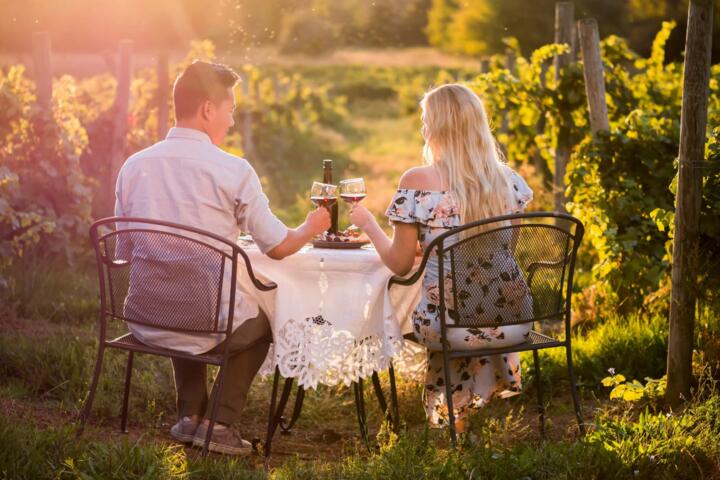
In my years of exploring global wine regions, I’ve found that the best "romantic" moments don't happen during the formal tasting. They happen afterward, when you’re walking through the rows of vines with a glass of what you just learned about. My best advice: book the last appointment of the day at a winery with a view. Most staff will let you linger as they close up, providing a private sunset experience that no amount of money can explicitly buy. Always ask the sommelier for their "off-list" favorite; showing genuine interest often opens doors to the cellar’s private reserves.
Summary
A successful romantic wine tour requires a shift in mindset from "sightseeing" to "intentional tasting." By prioritizing boutique estates, securing professional transport, and respecting the logistical nuances of viticulture, you transform a simple trip into a sophisticated narrative of shared luxury. Start by picking one specific region, booking your "anchor" winery three months in advance, and leaving room in your itinerary for the spontaneous discoveries that only the world's great vineyards can provide.