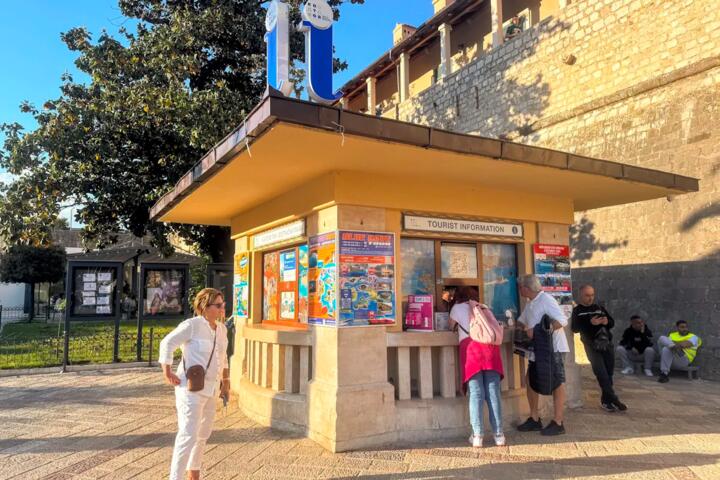
Understanding Tourist Taxes
Tourist taxes apply mainly to overnight stays in hotels, vacation rentals, and sometimes short-term rentals like Airbnb. Cities like Paris, New York, and Tokyo impose these fees, charging a fixed amount per night or a percentage of the accommodation cost. For example, Rome charges about €3 per night in tourist tax for hotels, which can add up quickly on a weeklong trip. Such taxes fund tourism infrastructure and local projects but directly hit visitors' expenses.
Most travelers first encounter these fees during check-out, leading to confusion or frustration. These charges often appear separately from room rates and may vary by accommodation category or traveler type (adults, children, residents, non-residents). Understanding the mechanisms helps reduce surprises and budget more precisely.
Common Confusion and Issues
Many travelers assume advertised hotel prices cover everything, which they rarely do. Missing tourist tax fees leads to unexpected bills or booking cancellations at arrival, especially in popular cities. Property managers and hosts sometimes fail to communicate these charges clearly online, causing disputes or poor reviews.
Another issue arises for property owners and rental platforms, which must collect and remit these taxes correctly. Non-compliance risks fines or legal action; in Rome, landlords caught not collecting tourist tax face penalties starting at €500. Travelers booking through third parties may struggle to verify if taxes are included, complicating their planning.
Understanding local rules is challenging, given that each city has its own rates, exemptions, and collection methods. The consequences of ignoring them range from financial loss to last-minute accommodation changes or legal headaches.
Steps for Paying Tourist Taxes
Research Before Booking
Check official city tourism websites or local government pages for current tourist tax rates. This often reveals exact fees per night and exemptions. For example, New York City’s hotel tax details are available at NYC.gov, showing around 5.875% plus a flat fee. Knowing these beforehand lets you compare accommodation costs accurately.
Ask Hosts or Hotels Directly
Request specific information on tourist taxes during booking contact. Hotels usually list taxes as “additional fees” in confirmation emails, but short-term rental hosts might omit them accidentally. Clear communication prevents surprises when checking in or out.
Use Booking Platforms That Include Taxes
Platforms like Booking.com or Expedia often display total price including taxes. However, double-check, since some partners exclude local tourist taxes to remain competitive. Look for explicit lines mentioning tourist or city taxes in the pricing breakdown.
Understand Exemptions and Waivers
Some cities exempt children, residents, or visitors staying beyond a threshold number of days. For instance, Venice’s tax varies based on accommodation category and traveler age. Checking these rules via municipal sources or tax offices reduces overpayments and clarifies who pays what.
Keep Documentation
Save receipts showing tourist taxes paid. They serve not only as proof during disputes but also for reimbursement in some business travel scenarios. Many countries allow tax deductions or refunds if properly documented.
Leverage Short-Term Rental Services’ Tools
Software like Hostaway or Lodgify integrates local tax calculation automatically during guest checkout. Using such tools ensures timely and correct collection and remittance, which, frankly, most hosts overlook leading to penalties.
Check Local Tax Collection Apps
Apps like Rentivo and CityTaxPro help property owners comply with multiple jurisdictions. They track rates, exemptions, and filing deadlines, often generating reports required for tax offices. These solutions lighten the administrative load considerably.
Plan Your Budget With Taxes in Mind
Estimate tourist taxes as around 5–15% of accommodation cost or a fixed nightly sum, depending on the city. This approach prevents budget overruns. For example, a €100/night hotel with a €3 tax per night actually costs €721 after a week.
Stay Updated on Changing Policies
Municipal tax rules frequently change, sometimes mid-season. Subscribe to newsletters from local tourism boards or property associations. Last summer, Berlin raised its visitor tax without much announcement, catching many property managers off guard.
Tax Challenges Solved
A Rome-based Airbnb host struggled with sudden penalties for uncollected tourist tax. After adopting specialized property software that automated tax calculations and monthly payments, the host eliminated errors and halved time spent on tax administration. They now report a monthly saving of 8–12 hours previously spent on manual invoices.
Another example is a frequent business traveler in Tokyo, who budgeted only for room fees. After logging charges at the hotel front desk, she consistently faced a 10% surcharge. Once she tracked local tax policies on the Tokyo Metropolitan Government site, she included these fees in expense reports, avoiding reimbursement denials. She now checks tax inclusion before booking.
Tourist Tax Preparation
| Step | Action | Tools/Source | Outcome |
|---|---|---|---|
| Research | Find city tax rates | City website, Gov portals | Accurate cost estimates |
| Confirm | Ask host/hotel on tax inclusion | Direct contact, booking email | Avoid hidden fees |
| Use Platforms | Choose sites showing total cost | Booking.com, Expedia | Transparent pricing |
| Verify | Check exemptions apply | Local tax codes, info desks | Fair charges |
| Document | Save receipts | Printouts, digital invoices | Proof of payment |
| Automate | Use software for collection | Hostaway, Rentivo | Compliance & efficiency |
| Update | Follow local tax changes | Newsletters, forums | Stay compliant |
Typical Problems & Fixes
Confusing tax rules hurt travelers and hosts alike. Forgetting to add tax fees can blow your budget by up to 15%, depending on city rates. Hosts ignore tax duties entirely, a risky gamble that often backfires with penalties exceeding thousands of euros — I’ve personally seen a €3,000 fine levied last year.
Travelers miss refunds due to losing receipts, and many nonprofits or business travelers don’t verify tax status beforehand, leading to claim denials. Another frequent glitch: assuming websites show final prices — they usually don’t, and that’s where most disputes start.
FAQ
What exactly is a city tourist tax?
A fee charged by cities to travelers for overnight stays, used to fund tourism services and infrastructure.
Are tourist taxes included in hotel prices?
Not always; many hotels list them separately, so check before booking or at check-out.
Do Airbnb rentals require tourist tax payment?
Often yes; many cities require short-term rental hosts to collect and remit the tax.
Can children be exempt from tourist tax?
Some cities exempt children under certain ages, but rules differ widely by location.
How do I prove I paid a tourist tax?
Keep receipts or invoices clearly showing the tax amount paid alongside accommodation charges.
Author's Insight
From handling hundreds of bookings across Europe, I’ve learned transparency on tourist taxes smooths travel experiences for guests and hosts. Communicating clearly about these fees upfront is worth the extra effort. Software integration can feel tedious at first but cuts down errors sharply. Personally, I track rates in a spreadsheet updated quarterly — this, frankly, saves me stress.
Summary
City tourist taxes add a small but often overlooked cost to travel accommodations. Researching local rules, confirming details with hosts, and using platforms that show inclusive pricing reduces surprises. Document all payments for record-keeping, and hosts should consider automation tools to stay compliant. Planning alongside these taxes improves budget accuracy and travel satisfaction.