What Reef-Safe Sunscreen is
Reef-safe sunscreen refers to formulations free from ingredients known to harm coral reefs and marine life. Unlike traditional sunscreens containing oxybenzone and octinoxate, which contribute to coral bleaching, these products use minerals like zinc oxide or titanium dioxide in non-nano forms. A 2019 study documented that about 14,000 tons of sunscreen wash into coral reef regions annually worldwide, causing chemical stress to corals. For example, Hawaii banned sunscreens with certain chemicals in 2018 to protect its coastal reefs.
Applying a standard sunscreen before swimming in reef areas can accelerate coral degradation. Reef-safe options physically block rays rather than chemically absorbing UV, which reduces the risk of water contamination with toxic agents. Simple: if you're swimming near reefs, skip conventional sunscreens.
Common Mistakes and Effects
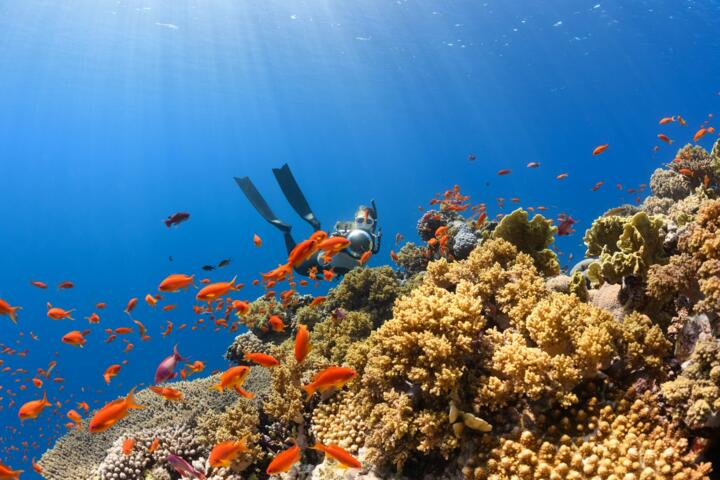
Many beach visitors assume any sunscreen is safe for aquatic life — that’s incorrect. Conventional ingredients like oxybenzone disrupt coral reproduction and cause DNA damage. Products labeled ""reef-friendly"" sometimes still contain harmful compounds due to looser regulations or misleading marketing. This matters because coral reefs support 25% of all marine species and supply food and income to millions. The loss of reefs leads to shoreline erosion and decreased fish populations, impacting both ecology and coastal economies.
Ignoring labels leads to unintentional pollution. Tourists swimming near popular dive spots, such as Australia’s Great Barrier Reef, have caused measurable coral stress after seasonal peak sunscreen use. More reefs worldwide show bleaching - a sign of ecosystem collapse caused partly by sunscreens.
How to Protect Reefs
Choose Mineral-Based Sunscreens
Mineral sunscreens contain zinc oxide or titanium dioxide that physically block UV rays. Opt for non-nano particles (<100nm) to avoid coral absorption. Brands like Thinksport and Raw Elements use these formulations, certified reef-safe by organizations like the Environmental Working Group (EWG). A 2021 EWG report showed mineral sunscreens rarely harm marine environments. Look for clear labeling and third-party verification before purchase.
Use Protective Clothing
UPF-rated swimwear reduces the need for chemical sunscreen application. Long-sleeve rash guards and hats provide broad UV protection — less sunscreen means less ocean contamination. Companies such as Coolibar specialize in UPF 50+ textiles. Practical for long beach days or snorkeling.
Apply Sunscreen Sparingly and Early
Apply sunscreen 15-30 minutes before water exposure to allow absorption, reducing runoff. Use the recommended 2 mg/cm² area coverage: roughly a shot glass amount for the body. Reapply every 80-90 minutes, but avoid excess application. Over-application can increase the amount washing off into water during swimming.
Rinse Off Before Swimming
Rinsing off sunscreen residue after beach activities lessens chemical influx into reefs. Freshwater showers upon leaving the ocean wash away loose product. Some resorts now offer rinse stations specifically to help reduce ecosystem exposure. A simple gesture; has measurable impact.
Support Certified Eco-Friendly Brands
Look for certifications such as the Reef Safe Seal or endorsements from Blue Lizard and Hawaiian Reef Foundation. Brands like Stream2Sea combine eco-conscious ingredients verified by independent labs. These standards screen out harmful chemicals and use biodegradable bases, reducing long-term marine toxicity.
Educate Yourself and Others
Awareness drives better choices. Sharing reliable info with family and friends amplifies positive effects. Websites like NOAA’s Coral Reef Conservation Program provide up-to-date resources. Participation in local reef cleanups or advocacy promotes broader reef protection.
Limit Plastic Packaging
Reef-safe sunscreen decisions extend beyond chemical composition. Many sunscreens use plastic tubes or spray bottles, which contribute to oceanic microplastic pollution. Selecting biodegradable packaging or reef-conscious refill options lessens plastic waste, a separate but related threat to ocean health.
Real Examples of Impact
In 2018, Hawaii’s ban on oxybenzone and octinoxate-containing sunscreens went into effect after scientific findings showed these chemicals induced up to 97% coral bleaching in some reefs near populated beaches. Post-ban monitoring revealed stabilization and slow reef recovery within two years, indicating clear environmental benefits.
In the Florida Keys, a tourism operator switched to offering reef-safe sunscreen to their snorkel guests. Over a summer, local reef monitoring recorded 20% less coral stress markers compared to previous years, along with increased juvenile coral growth near the shore. Tourists expressed positive feedback, many willing to pay higher fees for sustainable practices.
Checklist for Reef Care
| Step | Action | Effect | Example |
|---|---|---|---|
| 1 | Use mineral sunscreen | Avoids coral toxins | Thinksport SPF 50+ |
| 2 | Wear UPF clothing | Less sunscreen use | Coolibar rash guard |
| 3 | Apply 30 min before | Reduces runoff | 2 mg/cm² dose |
| 4 | Rinse post-swim | Flush chemicals | Beach rinse stations |
| 5 | Support certified brands | Verified safety | Stream2Sea |
Frequent Errors to Skip
Choosing products labeled just ""natural"" without checking specific ingredients often leads to using reef-harmful sunscreens unknowingly. Some sprays with alcohol or preservatives still damage corals despite natural claims. Applying sunscreen immediately before entering water wastes product since most washes off before absorption.
Many people forget to check sunscreen expiration dates; expired products may lose effectiveness, which ironically tempts over-application and increases environmental runoff. Avoid spray-on sunscreens near reefs since aerosol particles disperse more widely and contaminate water areas further. Reapplying too frequently with heavy amounts does more harm than good and isn't recommended.
FAQ
What exactly makes sunscreen ""reef-safe""?
Reef-safe sunscreens avoid chemicals like oxybenzone and octinoxate, instead containing mineral UV blockers like zinc oxide or titanium dioxide in non-nano form that don't harm corals.
Can natural oils replace sunscreen at the beach?
No, plant oils provide minimal UV protection and do not shield against UVA/UVB rays effectively; reef-safe sunscreens remain necessary for proper sun safety.
Are mineral sunscreens less effective against sunburn?
No, they protect broadly across UV spectrum but sometimes need more frequent reapplication or thicker coverage because of physical blocking rather than chemical absorption.
Do all sunscreens labeled ""reef-friendly"" meet safety standards?
Not always. Some use loose labeling without regulation, so look for certified seals from trusted environmental programs to confirm.
Is it safe to swim right after applying reef-safe sunscreen?
Wait 15-30 minutes post-application to let the sunscreen bind to your skin and reduce how much washes into the water.
Author's Insight
After years snorkeling fragile reef systems, I witnessed firsthand how careless sunscreen choices degrade corals. Often, swimmers splash around unaware their sunscreen dissolves into the water quickly. Transitioning to mineral formulas and educating peers, I saw reef health improve even over short periods. It’s a straightforward switch, with tangible environmental returns—and yes, mineral sunscreens feel heavier sometimes, but the tradeoff is worth it. Protecting reefs means reducing ocean toxins from your skin care routine.
Key Takeaways
Choose mineral-based, non-nano zinc or titanium sunscreen. Wear protective clothing to minimize sunscreen use. Apply sunscreen well before swimming, and rinse off product residues. Support certified reef-safe brands and spread awareness among your group. Avoid sprays and expired products. Small individual actions add up to maintaining reef vitality and ocean life diversity. The reefs aren’t just pretty — they are living ecosystems needing your mindful care.